




Midnight Season 1 PvP is heavily shaped by DPS pressure. But the gap between specs is not defined by raw output alone - pressure becomes real kill potential once a match settles into its rhythm. The strongest picks are the ones that can keep opponents uncomfortable from the start, force defensive responses without overcommitting, and stay threatening even after the first setup fails. That matters more as games become cleaner and more coordinated, because the specs at the top are usually the ones that lose the least momentum between windows and continue creating problems even when the enemy team survives the initial push. Others can still look strong in the right moments, but they more often depend on cleaner support, better conditions, or more room to play before their damage starts feeling truly dangerous.
This tier list follows that same damage-first logic. The highest-ranked specs are the ones that apply pressure most consistently, turn small openings into real progress more naturally, and hold their value across a broader range of matchups and team styles. Just below them are strong DPS options that can absolutely win and stay competitive, but they tend to show clearer tradeoffs once matches get tighter, whether that comes from a less stable pace, narrower conditions for success, or a lower overall ability to dictate how the game unfolds. Lower tiers are not unplayable, but they generally have to work harder for the same result, which is why the difference between specs becomes much easier to notice once the level of play rises.
That difference becomes even clearer once actual matches start stretching beyond the opener. At that point, the best DPS specs are not just landing one dangerous burst attempt, but continuing to generate pressure after trades, recover tempo faster, and keep forcing reactions as the game develops. That is where the tier gaps become easier to understand in practice. Top picks stay active and threatening through more of the match, with fewer weak stretches and more consistent ways to keep progress moving, while lower-ranked specs usually need cleaner setups, steadier support, or more favorable conditions before they can produce the same level of impact.
Each tier reflects how reliably a spec can deliver damage, control, and match-winning pressure in Midnight Season 1 PvP:
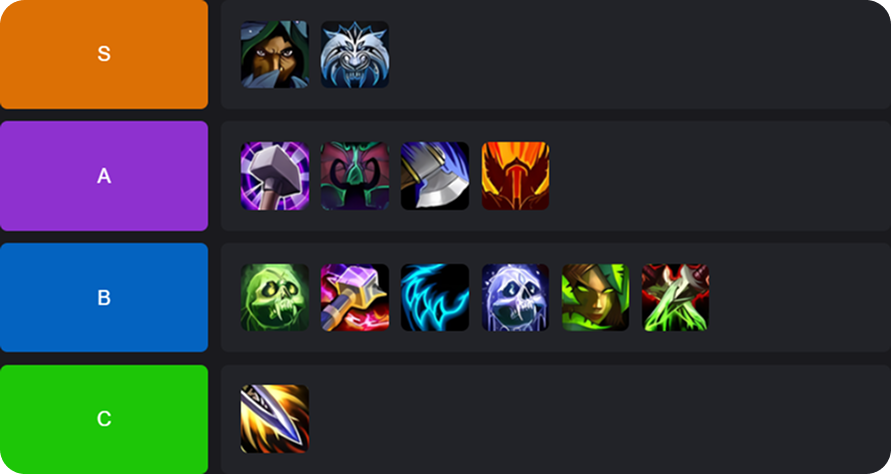
Subtlety Rogue thrives in a season where one clean opening can decide the entire match. Its damage is dangerous, but that alone is not why the spec belongs at the top. What separates it from most melee is how naturally it dictates the terms of an engagement, forcing enemy teams to react on its timing instead of their own. Even when the first push does not end the game, Subtlety Rogue rarely feels neutralized for long, because it can quickly rebuild pressure and threaten another coordinated setup. Tools like Shadow Dance and Kidney Shot are a big part of that, but the real reason for its S-tier placement is how consistently the spec turns control into real win conditions.
Constant motion is what makes Windwalker Monk so oppressive in Midnight Season 1 PvP. This spec does not need long, comfortable setups to feel threatening, because it pressures so quickly and so often that opponents are pushed into defensive trades before they ever feel settled. That tempo gives Windwalker Monk enormous value in fast games, but it also holds up well once matches get messier, since the spec keeps enough damage and reach to punish small mistakes immediately. Midnight changes only reinforced that identity. Zenith sharpens its burst profile, while Touch of Karma helps it stay active in situations where other melee would be forced to back off, which is a major reason it remains one of the strongest melee specs on the tier list.
Raw force is what puts Retribution Paladin this high. Early Midnight tuning gave the spec enough damage to feel genuinely threatening whenever it gets to play on its own terms, and that immediately raised its value among melee DPS. It does not land in the very top tier here because the specs above it are generally better at forcing momentum over and over without giving opponents as much room to recover, while Retribution Paladin can still be slowed down more noticeably once teams start kiting well or trading cleanly. Even so, it remains one of the strongest A-tier picks in the season because it combines real kill pressure with unusually high match-saving utility, and tools like Blessing of Protection and Divine Shield give it a level of defensive swing potential that few melee can match.
Havoc Demon Hunter lands in A tier because Midnight pulled some of the old safety and convenience out of the spec without stripping away what still makes it dangerous. It no longer feels quite as overwhelming or as self-sufficient as the very best melee, especially once teams trade cleanly and force it to work harder for repeated momentum, which is the main reason it falls short of S tier in this list. Even so, recent tuning gave Havoc Demon Hunter enough damage to stay firmly relevant, and that matters a lot when the spec can still pressure multiple targets so naturally and fit into strong aggressive comps. A big part of its value now comes from how hard it can keep games moving once it gets rolling, with Metamorphosis still giving it one of the most threatening offensive windows among melee, while Blur remains an important part of keeping that pressure alive long enough to matter.
Arms Warrior keeps gaining ground in Midnight Season 1 PvP because steady tuning has pushed its damage profile into a much more threatening place. What stands out most is how brutally efficient it is in melee-heavy games, where its pressure can spread across multiple targets and quickly overwhelm teams that want to fight up close. That strength is a big reason it ranks this high, especially when Sweeping Strikes gives the spec so much natural cleave value. It does not break into S tier here because the best specs above it are generally less punishable across the full field, while Arms Warrior still looks more manageable into caster lobbies and into some of the season's strongest control-heavy answers. Even so, the spec remains one of the most dangerous A-tier melee picks thanks to its ability to keep pressure high and make healing feel far less stable once Mortal Strike starts shaping the pace of the game.
Pure pressure is what keeps Fury Warrior this high. Recent tuning pushed its damage to the point where melee cleaves can quickly spiral out of control once it gets stable uptime, and that is especially true with the extra front-loaded pressure the Mountain Thane package brings. This spec does not need long setup chains to feel dangerous; it wins by staying connected, keeping healing under strain, and turning every extended trade into a problem for the enemy team. That is why Fury Warrior works so well in aggressive lobbies and why its value rises fast when opponents cannot disengage cleanly. It stops short of S tier because caster-heavy matchups are still more frustrating for it than for the very best melee, and its defenses are not as forgiving once focus starts sticking. Even so, the amount of damage it can force through Recklessness, together with the pressure support of Slaughterhouse, makes it one of the most threatening A-tier specs in the current PvP field.
The opening weeks of Midnight hit Unholy Death Knight hard enough to change how the spec fits into the melee field. The early PvP damage cut took away the kind of overwhelming pressure that would have pushed it into the top tier automatically, and even though later compensation helped restore some of that identity, the spec no longer feels as oppressive or as universally threatening as the best melee above it. A big part of that recovery came through stronger value from Virulent Plague and Epidemic, which kept its spread pressure relevant and stopped it from falling too far. That is enough to keep Unholy Death Knight firmly competitive, but in this tier list it stays lower because its pressure is now easier to manage than it was at its most abusive, and it does not dictate games as naturally or as consistently as the melee specs placed above it.
Enhancement Shaman has real kill power, but its place in this tier list is held back by how uneven that pressure feels from lobby to lobby. When everything lines up, the spec can look explosive, especially during windows built around Stormbringer or Ascendance. The problem is that this threat is easier to disrupt than what higher-ranked melee bring, so the spec does not control games as naturally once opponents start denying uptime or forcing awkward trades. It still has useful tools into caster teams and recent tuning gave its damage enough help to keep it competitive, but in melee-heavy games Enhancement Shaman is more likely to feel pressured than dominant, which is why it fits better as a B-tier pick than a true top-end melee choice.
Feral Druid is one of those melee specs that looks better the more precise the player is, which is a large part of why it lands in B tier rather than lower. In the right hands, it can fit well with several of the season's stronger caster setups and create steady pressure without needing to brute-force every game. The issue is that its value is harder to realize consistently than something like Assassination Rogue, which reaches similar goals with less friction and a more reliable overall game plan. That leaves Feral Druid in an awkward middle ground: skilled players can absolutely make it work, and its ceiling is high enough that an eventual move into A tier would not be surprising, but current tuning still leaves it a step short of the more convincing melee picks around it. It also does not help that, outside of niche value from Wicked Claws, there are many situations where teams will find it easier to justify bringing Balance Druid instead.
Frost Death Knight fits B tier because its strengths are still very real, but they come in a narrower shape than what higher-ranked melee offer. The spec can create dangerous momentum when its burst window is ready, and that is still enough to punish teams that mismanage positioning or defensive trades. The problem is that too much of its threat remains tied to short, obvious moments, which makes the overall game plan easier to read and easier to disrupt once opponents know when the real danger is coming. A lot of that pressure still revolves around Pillar of Frost, so when that window is contained, Frost Death Knight has a harder time keeping the same level of influence on the match. That leaves it competitive and fully playable, but still less complete and less reliable than the melee specs placed above it.
Survival Hunter brings more to Midnight Season 1 PvP than just melee damage, which is why it stays comfortably relevant in the middle of the tier list. The spec has a solid mix of pressure, control, and general hunter utility, and the Midnight changes helped it feel cleaner and more dangerous than before. It also stands out among hunter specs for how naturally it can create plays up close, especially when tools like Freezing Trap and Harpoon give it a more active role in setting the pace. Even so, this is not quite enough to push Survival Hunter into the upper tiers here. It fits into a fair number of comps and has enough utility to stay useful, but its overall pressure and game-shaping presence still feel less convincing than what the stronger melee picks above it bring on a more consistent basis.
Assassination Rogue feels squeezed out of the upper melee tiers more by comparison than by being completely nonfunctional on its own. The spec can still work, but in the current Midnight Season 1 field it is much harder to justify when Subtlety Rogue brings a sharper version of the same general role and converts pressure into wins more reliably. That gap matters a lot in practice, because Assassination Rogue is not just competing against the best rogue spec, but also against other melee that reach similar goals with stronger numbers or a cleaner overall payoff. The result is a spec that remains playable, yet feels noticeably less rewarding and less convincing than the melee picks placed above it.
Outlaw Rogue ends up in C tier not because the spec is completely without upside, but because too much of its value is locked behind exceptional execution. In the hands of a very strong player, it can still look far more dangerous than its placement suggests, especially when that player is able to squeeze constant momentum and disruption out of a toolkit that most others cannot use nearly as efficiently. The problem is that this ceiling is much harder to reach consistently than with the rogue specs above it, and for the average player the payoff usually does not match the effort. That leaves Outlaw Rogue in a strange spot: technically capable of strong results at the very top end, but far less reliable and far less broadly rewarding than most other melee options in the current PvP field.
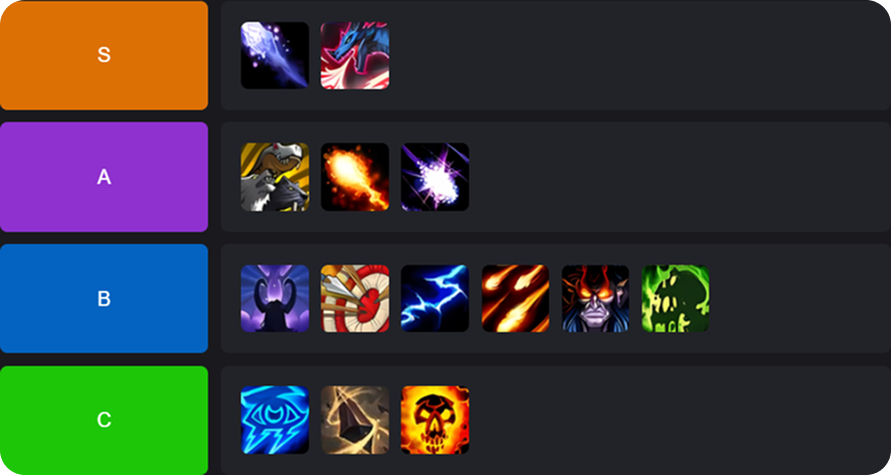
Control is what pushes Frost Mage into S tier in this list. The spec does not just threaten kills through damage alone; it constantly interferes with how the enemy team wants to move, trade, and stabilize, which gives it far more influence over the pace of a match than most ranged DPS. Its biggest limitation is that some of its most dangerous pressure still asks for cleaner casting windows than the very best free-flowing specs would prefer, so poor positioning or bad support can still drag its value down. Even with that drawback, Frost Mage remains too complete to place anywhere lower here. In the hands of a strong player and inside comps that can protect its momentum, it keeps creating repeatable kill opportunities while staying one of the hardest ranged specs to play comfortably into, which is exactly the kind of profile that deserves an S-tier spot.
Devastation Evoker gets pushed into S tier here because few ranged specs apply this much pressure with so little friction. It does not need a complicated setup to feel dangerous, and that matters a lot in Midnight Season 1, where reliable damage and constant threat often decide who gets to control the pace of a match. Against melee teams in particular, Devastation Evoker is extremely hard to keep pinned down for long, so it can keep creating pressure while staying far safer than many other casters in the same situations. That combination of damage, mobility, and low execution drag is strong enough to justify an S-tier placement in this list. Caster-heavy matchups are still the clearest place where its value becomes less overwhelming, but not enough to outweigh how consistently oppressive the spec feels across the rest of the field, especially when effects like Deep Breath and Obsidian Scales make it even harder to shut down cleanly.
Beast Mastery Hunter gets a lot of value in Midnight Season 1 from how cleanly it delivers pressure. This is not a spec that needs complicated setups or perfect conditions to stay relevant, which already makes it a strong fit for a meta where consistent ranged damage matters. A caster-leaning field also helps its placement, since Beast Mastery Hunter can keep contributing without the same level of friction that many other DPS specs run into. It stays in A tier rather than moving higher because the toolkit still has clearer limits once games become tighter, and losing Scatter Shot took away some of the extra control and survivability that would have made the spec feel more complete. Even so, its ease of execution, steady damage, and broad usefulness keep it comfortably above the middle of the pack.
Very few ranged specs in Midnight Season 1 punish mistakes as quickly as Fire Mage. Its damage comes online fast, its burst is easy to convert into real pressure, and that alone is enough to keep it near the top of the caster field. What holds it in A tier rather than S in this list is not a lack of threat, but the fact that the specs above it shape games more consistently outside their biggest damage windows and feel slightly harder to contain across a wider range of matchups. Even so, Fire Mage remains one of the strongest ranged DPS picks in the season, and Combustion is still more than enough to make every opening feel dangerous.
Balance Druid has the kind of toolkit that keeps it relevant in almost any serious PvP conversation. Its damage is high enough to force respect on its own, but what really supports this A-tier placement is that the spec does not have to choose between pressure and usefulness. It can stay threatening while still bringing the kind of control, utility, and defensive stability that makes life easier for the rest of the comp. Windows built around Incarnation: Chosen of Elune are a major reason for that, giving Balance Druid some of the most dangerous ranged burst in the season. The reason it stops short of S tier in this list is that the very top ranged specs apply their pressure with a bit less friction and tend to dictate the pace of games more consistently, but Balance Druid still remains one of the strongest and most flexible caster picks in Midnight Season 1 PvP.
Devourer Demon Hunter is one of the hardest specs in the current tier list to lock into a final judgment, and that uncertainty is a large part of why it sits in B tier. As a new specialization, it still lacks the same level of refinement, established comp structure, and player mastery that more familiar DPS picks already benefit from, which makes its real ceiling difficult to measure cleanly. There is enough potential in the kit to suggest that the spec could eventually climb once players understand where it fits and how to build around it, but right now that promise is still more theoretical than proven. In the current Midnight Season 1 meta, Devourer Demon Hunter looks playable without feeling fully solved, which leaves it in the middle of the pack as a spec with room to move in either direction rather than one with a clearly stable place near the top.
A caster-friendly field gives Marksmanship Hunter more room to matter than it would in a heavier melee meta, which is a big reason it stays in B tier for Midnight Season 1 PvP. Into teams built around specs like Mage and Warlock, it can find cleaner openings and get better value from its ranged pressure than many people would expect. The issue is that this still does not fully solve the spec's larger problems. Its damage profile is not yet convincing enough to push it higher on its own, and losing Scatter Shot made the toolkit feel noticeably less forgiving when pressure turns back onto the hunter. There is enough here to stay competitive, but Marksmanship Hunter still looks more like a spec that could improve later with season development and higher gear than one already ready to break into the upper tiers.
Elemental Shaman still carries many of the traits that usually make it a dangerous caster, but in Midnight Season 1 PvP its placement is held back by numbers more than by design. The spec has enough burst and utility to stay relevant, and it can still create real pressure when a game gives it space to play, especially during windows tied to Ascendance. The problem is that its damage does not currently keep pace with the stronger ranged picks often enough to justify a higher tier on consistency alone. Recent buffs helped, and extra value from Earth Shock is part of why it remains competitive, but the spec still feels a step short of the caster options above it. That leaves Elemental Shaman as a solid B-tier choice: dangerous enough to work, but not yet strong enough to stand with the best ranged specs in the current meta.
Few ranged specs make a bad defensive trade feel as dangerous as Destruction Warlock. When it gets room to play, its pressure is still terrifying, and Chaos Bolt remains more than enough to force panic from teams that fall behind. The reason it stays in B tier here is that too much of that value depends on the game giving it the right shape. In coordinated comps, especially setups that can protect its casting and help it stabilize the pace, Destruction Warlock can look far stronger than this placement suggests. But once melee pressure starts sticking and the spec has to survive without that same layer of support, its games become much less comfortable. That leaves it as a dangerous and fully viable caster, just not one that delivers its best value as reliably as the ranged specs placed above it.
Demonology Warlock feels like a spec that lost momentum at the wrong time. What initially looked manageable on paper turned into a much rougher drop once real games exposed how much the recent nerf hurt its overall pressure and how little the follow-up compensation actually changed that. The result is a caster that can still function, but no longer carries the same confidence or presence as the stronger ranged picks around it. In this tier list, that leaves Demonology Warlock in B tier: still playable, still capable of finding value in the right setup, but too underwhelming right now to justify a higher placement until further tuning gives it more reliable impact again.
Affliction Warlock looks more respectable after recent damage help, but not enough to escape the middle of the ranged field. The spec is no longer as easy to dismiss outright, and the tradeoff around Dark Harvest at least gave it a healthier overall pressure profile instead of leaning so heavily on one burst spike. Even so, that still does not solve the bigger issue: in actual PvP lobbies, Affliction Warlock often struggles to justify itself over stronger caster alternatives that create cleaner pressure or fit more naturally into proven comps. That keeps it in B tier here. It is playable, it benefits from the recent buffs, and it could look better later if the meta shifts in its favor, but right now it still feels more situational than convincing.
Compared to the other mage specs, Arcane Mage currently asks for more precision without giving the same level of dependable payoff back. That is the main reason it falls into C tier in this list. The spec still has moments where it can look dangerous, and the recent help to Arcanosphere at least gives it a clearer way to threaten real damage, but too much of its value remains conditional and much harder to realize consistently in live PvP games. In practice, it is simply more difficult to justify over Frost Mage or Fire Mage, which reach strong results with less friction and fit the current season more naturally. That leaves Arcane Mage as a niche pick with upside, but not one that feels stable enough right now to deserve a higher placement.
Augmentation Evoker remains difficult to rate highly in PvP because the spec still struggles with a problem built into its role. It is meant to amplify a team rather than replace the pressure of a true second DPS, and in Midnight Season 1 that tradeoff still feels too costly in most real arena games. There are moments where it can look dangerous, especially when burst is lined up around Breath of Eons, but that threat comes too infrequently to make the spec feel consistently rewarding across the full match. That is why Augmentation Evoker lands in C tier here. It is not unusable, and skilled players can still find spots where its utility matters, but compared to standard DPS picks it too often feels like a niche answer rather than a spec you would actively want as the optimal choice.
Shadow Priest still has enough damage and durability to remain a real PvP spec, but the current Midnight Season 1 meta does it very few favors. On paper, there is plenty in the kit to make it threatening, yet in practice too many of the matchups and comp trends around it are being shaped by stronger ranged options and by setups that simply get more value with less effort. That is a big reason it ends up in C tier here. This is not a case of the spec being unplayable, but of it feeling pushed out by a field that currently rewards other casters more naturally. If surrounding class balance shifts later in the season, Shadow Priest could look much better again, but right now it feels more viable than truly competitive at the top end.