




A hearth in Azeroth no longer belongs only to inns and taverns; it’s wherever you decide the fire should burn. With the Midnight expansion on the horizon, the familiar world pulls back its curtains and finally opens its doors to true player housing, turning static backdrops into places you can actually call home. Streets fill with crafted gardens and glowing windows, rooftops become silhouettes against a violet sky, and every mailbox and doorway hints at a story only you can tell.
And in Patch 11.2.7 called "The Warning", early access housing is available to those who pre-order Midnight. This poetic guide will walk you through everything you need to know about making a home in Azeroth’s night, from claiming your plot to fostering a community and personalizing your space in style.
When you first step into housing, you're greeted with a short quest to stake your claim. Simply head to the newly opened portal in Stormwind or Orgrimmar's portal room — the mages have set up a prominent gateway leading directly to the housing realms. Once you arrive, open your map to see the available house plots marked across the neighborhood. Find an empty plot that speaks to you (some may already be taken — perhaps a cozy lakeside clearing or a hilltop perch), fly over, and interact with the for-sale sign out front to purchase it for a 1.000 gold. With that, the deed is yours!
Stepping over the threshold of your new home triggers a decor tutorial that gently introduces you to furnishing basics. A practical tip: after claiming a house, traveling back and forth is a breeze. You'll unlock the Housing Dashboard (look for a tiny house icon on your micro menu, or press the default "H" key) — it has a handy "teleport home" button that will whisk you straight to your plot on a 15-minute cooldown. No matter where your adventures take you, you're never more than a moment away from home.
Perhaps down the line you find another plot you adore, or a neighbor's endless drumming is driving you batty. Luckily, moving house is virtually effortless. At any time, you can relinquish your plot by clicking the sign in front of your current home, which neatly packs up your entire house's state into storage. All your furnishings and layout progress are preserved, ready to unpack with a single click on a new plot.
Then just buy a new plot elsewhere and poof — your house is reassembled exactly as you left it, now in a better locale. The only cost you incur is the gold for the new plot; there are no other fees or loss of materials. Moving is designed to be frictionless — there's even a brief "regret timer" that lets you reclaim your old spot if you change your mind before buying a new one. So roam free and find the perfect vista for your home; Azeroth is vast, and your address is never permanent unless you want it to be.
All player housing exists in two sprawling Neighborhoods: Founder's Point for Alliance-themed homes and Razorwind Shores for Horde-themed homes. Each neighborhood is an instanced zone bustling with up to 50 house plots and a central town hub. If one instance ever fills up, fear not – a new instance of that neighborhood will automatically be created, ensuring there's always room for new homeowners on your realm. In other words, no neighborhood will ever be "full" or closed to you; the frontier of housing expands with demand.
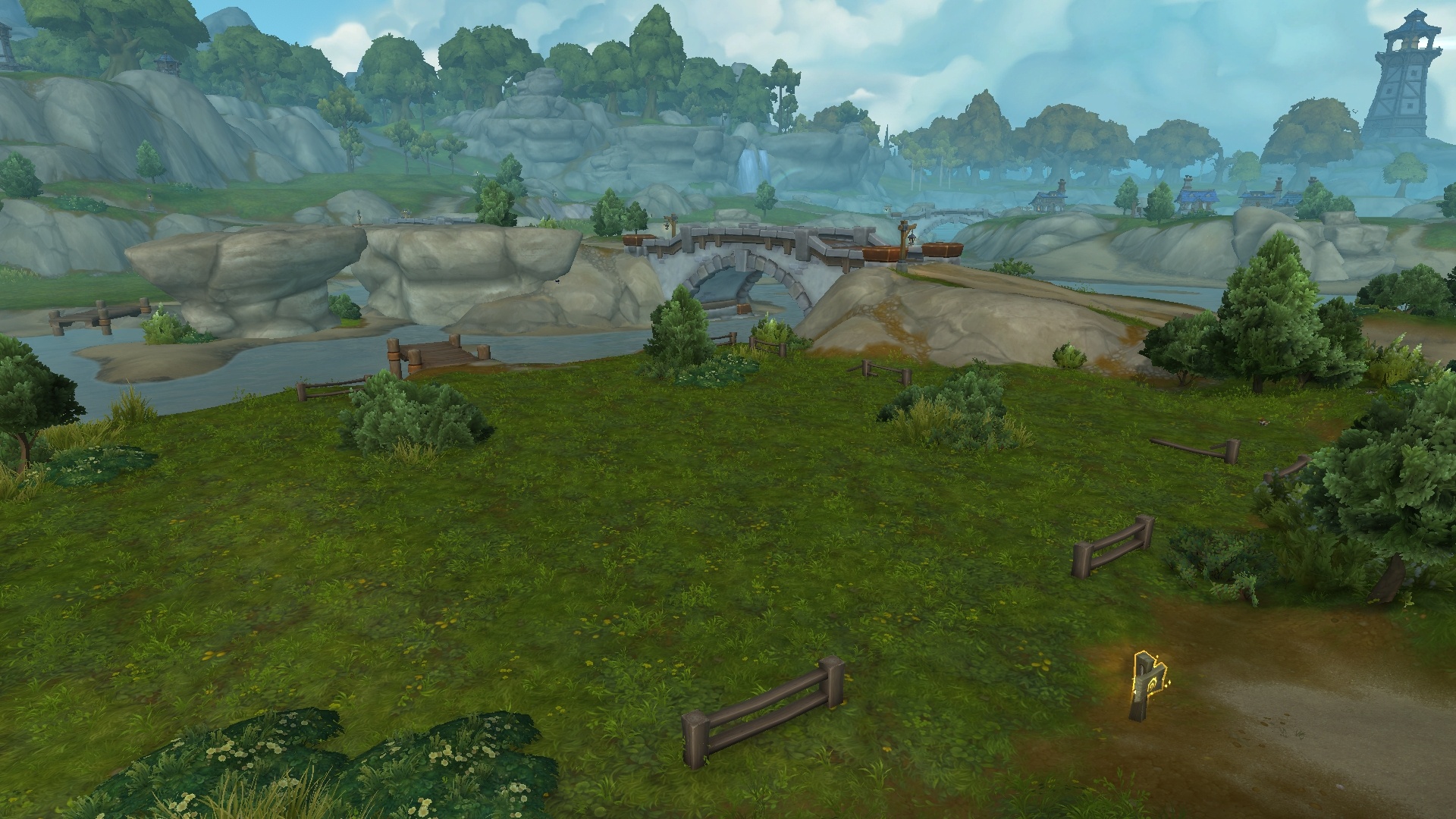
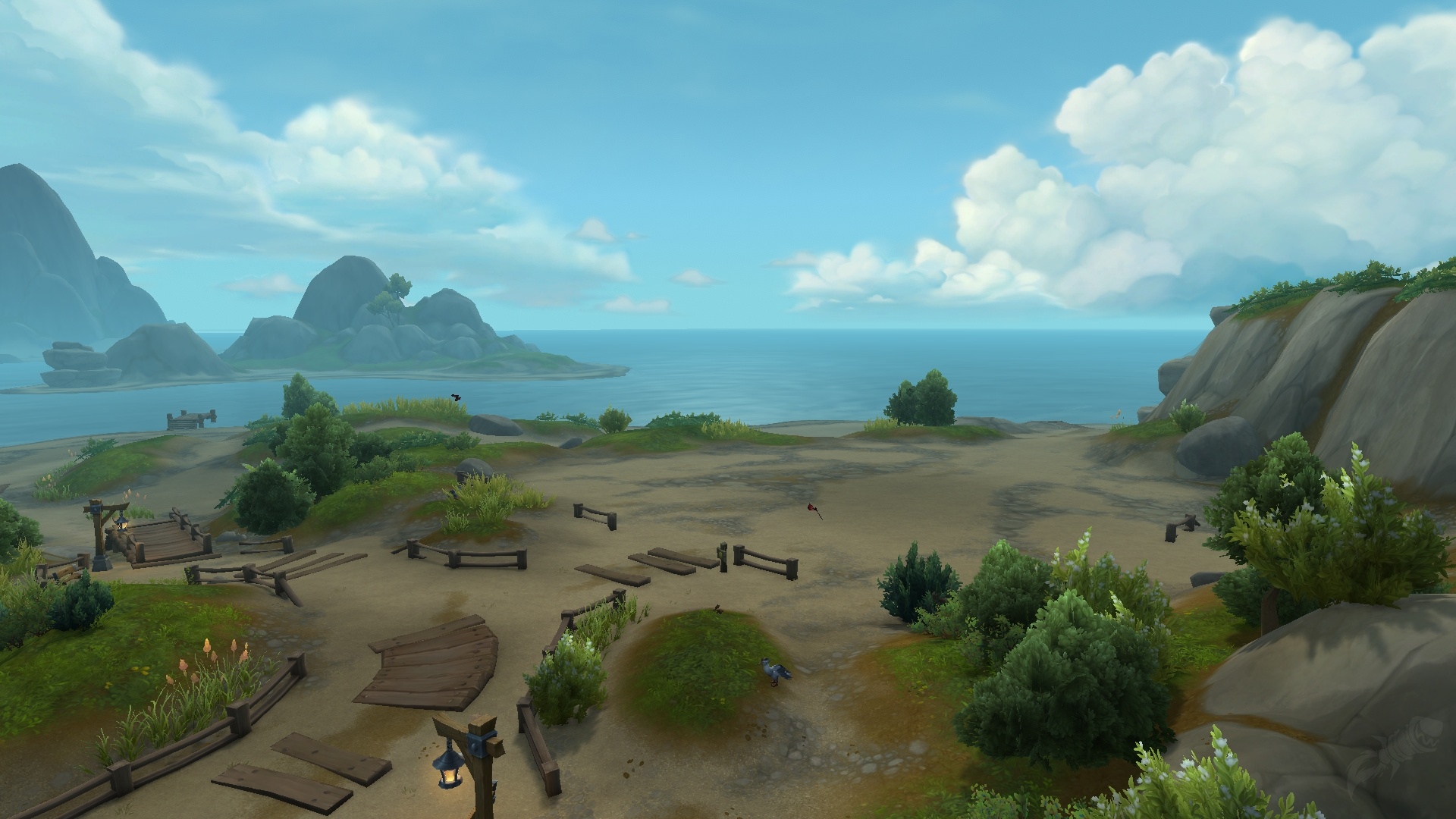
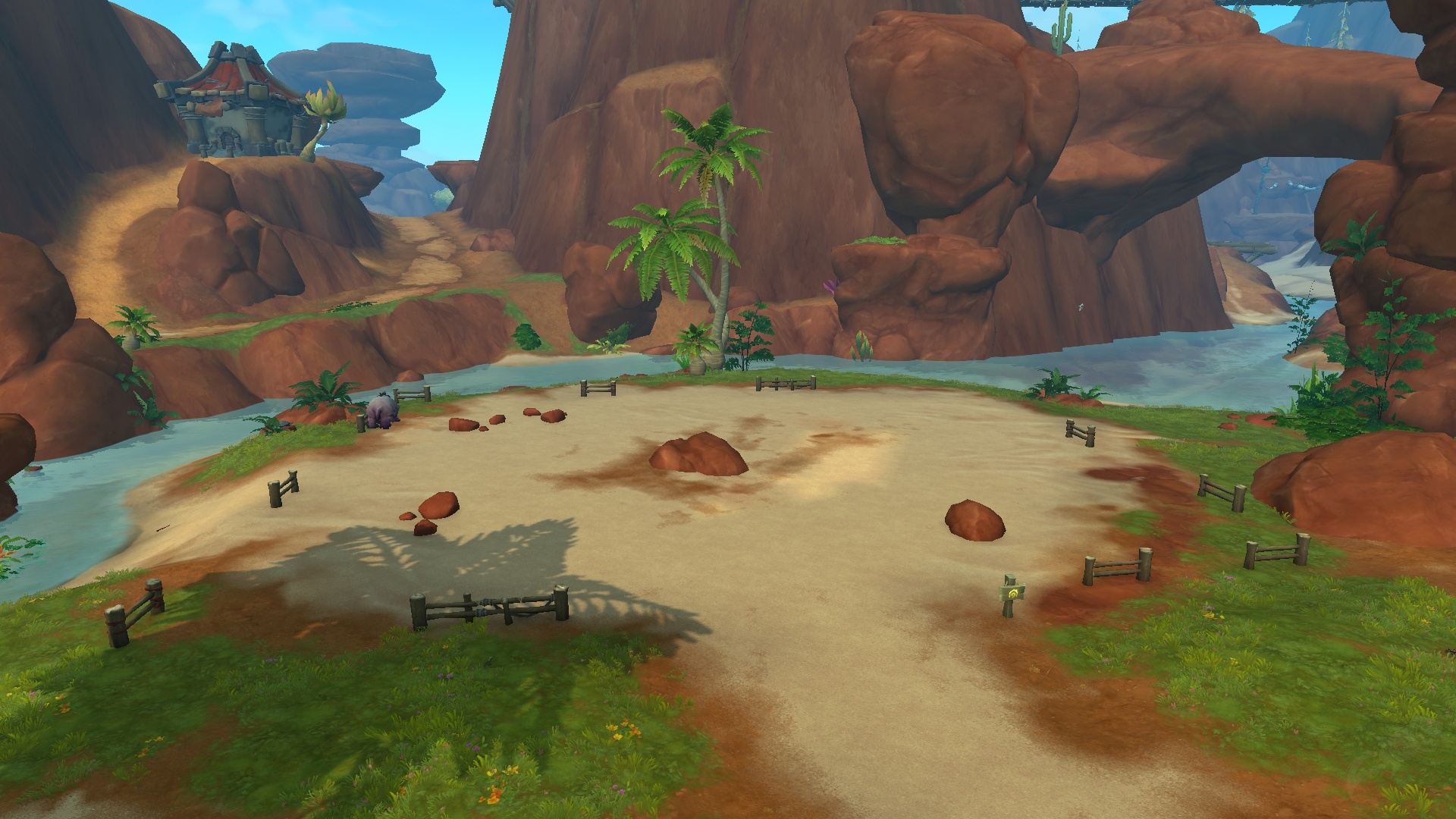
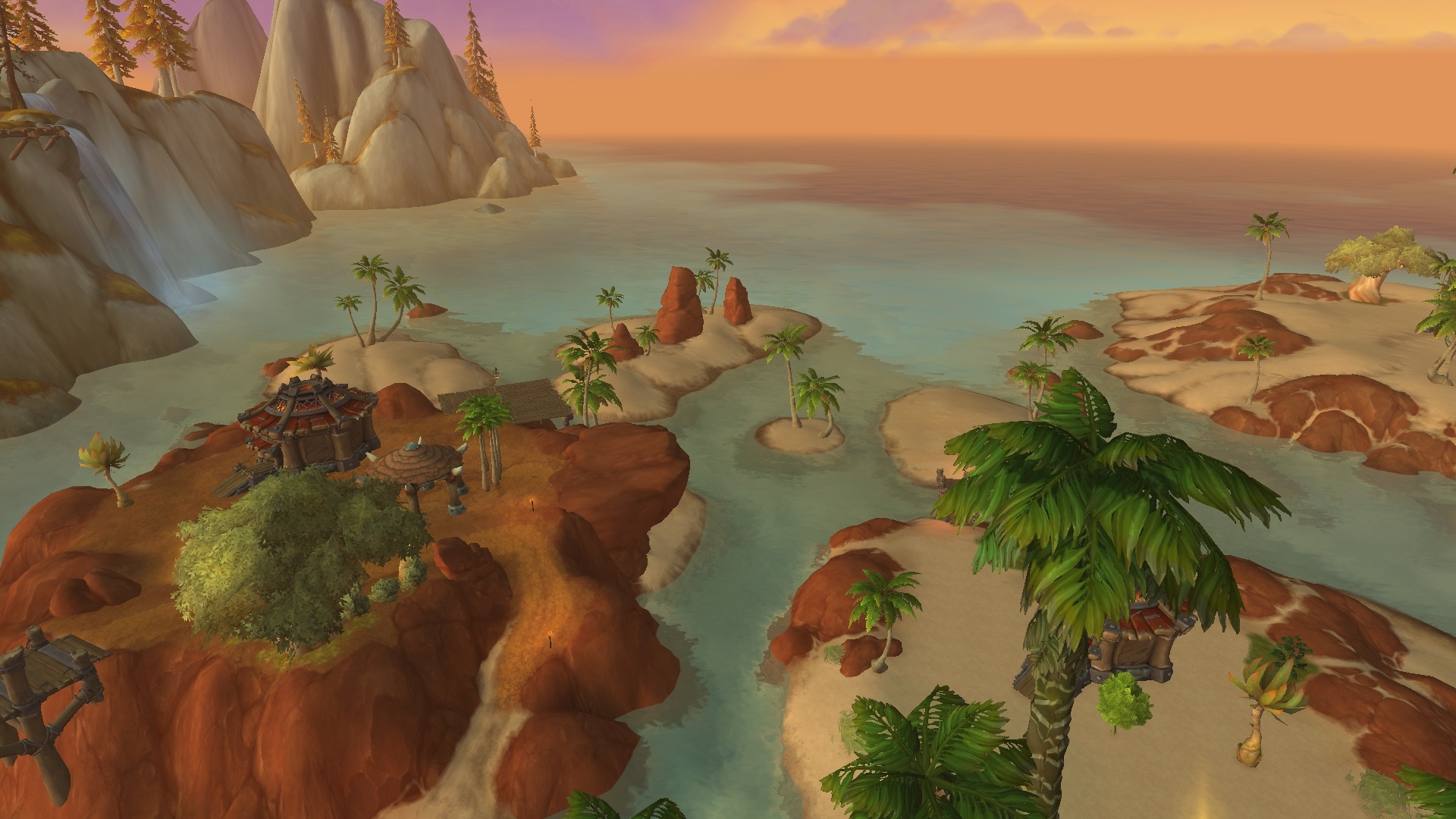
Despite their faction-flavored names, both neighborhoods welcome all heroes, Horde or Alliance. The zones are fully cross-faction – you can own a home in Founder's Point on a Horde character or visit friends in Razorwind Shores as Alliance without restriction. In fact, once you complete the introductory housing quest on one faction, your alts of the opposite faction automatically gain access to the other faction's housing zone as well. These communities are about bringing players together, no matter their allegiance, under the shared pride of home ownership.
Each neighborhood is a love letter to Azeroth's landscapes. Founder's Point echoes the Eastern Kingdoms: you'll find a patchwork of biomes from sunny meadows and farmlands reminiscent of Elwynn or Westfall to shadowed groves that evoke Duskwood's mystique. Don't be surprised to see a quaint cottage by a golden field in one direction and ancient pines shrouding a spooky cabin in another – the Alliance zone offers a bit of everything. Meanwhile, across the sea at Razorwind Shores, the Kalimdor spirit thrives: expect red-rock canyons and desert oases calling back to the Barrens and Tanaris, plus lush tropical beaches and isles that channel the Echo Isles and Stranglethorn's vibes. Towering cactus gardens, palm-fringed coves, rugged bluffs with Horde watchtowers – it's a wild, inviting canvas for Horde-hearted homesteads. In short, variety is key: no matter your fantasy – be it a peaceful Gilnean manor or a savage Orcish den – there's a corner of the neighborhood that fits.
At the heart of each neighborhood lies a bustling town hub where practical necessities and social comforts meet. Here you'll find NPC vendors selling decor, a Housing Upgrade NPC to help with house improvements, dye traders to recolor your furnishings, and even portals back to Stormwind and Orgrimmar for easy travel. This little town square is the communal soul of the neighborhood – a place where neighbors gather to trade decoration tips, show off their latest furniture finds, or plan the next big neighborhood event.
Not all neighborhoods in Midnight are created equal — some form naturally, while others are intentionally crafted communities. Public Neighborhoods are the default: these are open to any player on your server and are generated automatically by the game whenever needed. In a public neighborhood, you might stake your claim next to strangers who soon become friends. The game itself takes care of administration here — from choosing the neighborhood's whimsical procedural name to scheduling community events and ensuring performance is smooth with up to 50 players around.
By contrast, Private Neighborhoods are player-created enclaves for those who desire more control over their living community. Think of these as bespoke housing districts created by guilds or friends. When you form a private neighborhood, you and your allies get to decide who lives there, what it's called, and how it's run.
There are two flavors of private neighborhood: Guild Neighborhoods and Charter Neighborhoods. Both types function similarly in giving players governance, but they differ in who can join:
Running a private neighborhood does require a bit of commitment. The game imposes a minimum occupancy: a charter or guild neighborhood needs a minimum number of active players living there to remain active (to avoid ghost towns hogging server space). But as long as your guild or friend group stays engaged, your custom hamlet can thrive indefinitely. Private neighborhoods really empower players to craft a like-minded community — whether it's a Guild Hall district for your raiding team or a cozy friends-only village, you're in charge.
No matter which type you join, you remain the master of your own house's privacy. Housing in Midnight comes with robust permission controls for both your yard and interior. Maybe you're in a public neighborhood but want a little seclusion — you can set it so only friends or guildmates can step onto your plot or enter your home (or allow no one at all, creating a private sanctuary). Conversely, even in a private neighborhood you could throw open your doors to anyone if you're feeling hospitable. These settings are fully in your hands and can be changed at any time — if you toggle permissions mid-day, unwanted visitors will find themselves gently booted out as if by an invisible butler. Host an open-house party one evening, then retreat behind locked doors for a quiet night of decorating — it's up to you. Azeroth may now have neighborhoods, but your plot is your castle, always.
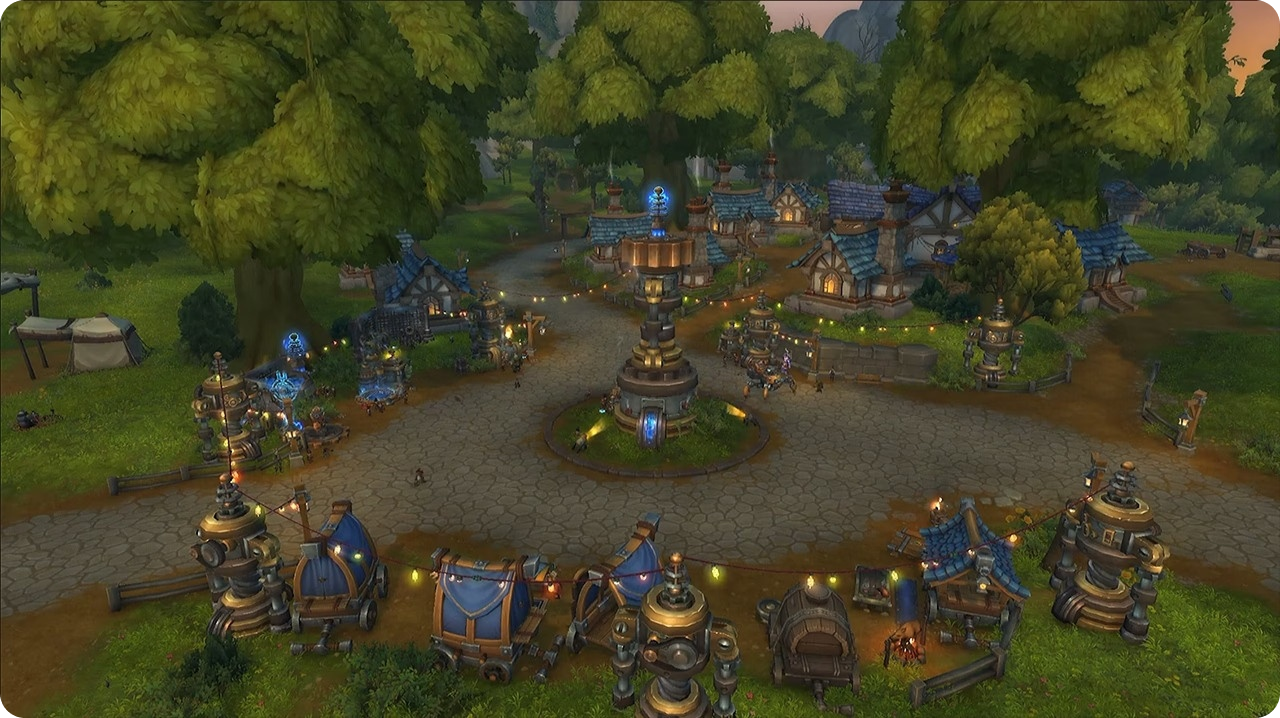
While your house is your personal haven, Neighborhoods truly come alive through Endeavors – large-scale monthly community events that unite all neighbors towards a common goal. Think of Endeavors as neighborhood-wide quests or festivals: each one is themed around a particular culture or faction of Azeroth, and it transforms your neighborhood for its duration. When an Endeavor is active, you and your fellow residents will see your town hub decorated in that theme – be it garlands of Val’sharah’s greenery for a druidic harvest, or banners of the Argent Crusade for a light’s hope festival – and special NPCs from that faction will arrive to offer themed decor and tasks.
Endeavors present a list of tasks that the entire neighborhood can contribute to collectively. These tasks run the gamut of gameplay: crafting and gathering professions, questing, exploring world content, battling through dungeons or raids, even PvP or pet battles if it fits the theme. There’s something for everyone – you don’t all have to gather and do the same thing; each neighbor can contribute in their own preferred way and as tasks get completed one by one, you’ll notice more NPC visitors show up in town, and more decorations blossom around the neighborhood reflecting the ongoing event. It feels magical – your quiet village gradually turns into, say, a Midsummer festival ground with night elf lanterns hanging from trees, NPC vendors playing music or selling food, etc., all as a result of your collective efforts.
Every neighbor’s contribution yields personal rewards too. When you complete a task associated with the Endeavors, you’ll get whatever normal loot or XP that activity gives plus two special currencies: Endeavor Currency and Neighborhood Favor. Endeavor Currency is specific to these events – you can spend it at the visiting NPC vendors to buy the special themed decorations and cosmetic items that they offer. Neighborhood Favor is a more long-term reward – essentially a reputation or renown gained with your neighborhood that levels up your house and neighborhood perks.
Endeavors are designed to scale and include everyone. The number of tasks required adjusts to the size and activity of your neighborhood, so a small neighborhood isn’t overwhelmed by impossible goals, and a huge one has enough to chew on. If your neighborhood had a quiet month and didn’t finish many tasks, the system will notice and make the next Endeavor’s goals a bit easier to rally the troops. Conversely, an active neighborhood can push for 100% completion and be appropriately challenged. Importantly, you don’t have to complete everything – partial progress still yields partial rewards, but if the community fully completes an Endeavor, there’s a bonus for everyone!
In Public neighborhoods, Endeavors are assigned automatically by the game – each month when a new Endeavor starts, the server will announce “This month, your neighborhood is learning from the
It’s worth noting that Housing Early Access (Patch 11.2.7) lets you move in and start decorating, but Endeavors themselves will fully begin ONLY with the Midnight expansion launch. During the pre-expansion patch, you can prepare and earn decor pieces, but the monthly neighborhood events are on hold until Midnight Day 1. So consider this a glimpse of festivities to come – the bonfires will be lit after midnight strikes. Once they do, Endeavors promise to make your neighborhood feel like a living, breathing community, not just static houses.
What does leveling up a neighborhood do? It unlocks cool perks and upgrades that benefit every resident in that neighborhood. These are the rewards of a thriving community. One of the first perks you’ll notice is an increased decor limit – as your Neighborhood Favor rank rises, everyone in the neighborhood can place more decorations in their houses. It’s as if the neighborhood’s infrastructure improves to handle more fancy stuff in each home. Imagine starting with enough slots for a modest cottage and eventually having the capacity to turn your interior into a lavish mansion filled with hundreds of items, thanks to those Favor unlocks. And that’s just one example; other perks might include shared utilities or cosmetic upgrades around the neighborhood hub, or special titles and badges to show off your neighborhood’s renown. The devs hinted at “powerful bonuses” – perhaps things like quicker crafting times at your home workbench, or a neighborhood noticeboard for group buffs. The key is, as your neighborhood’s Favor (Renown) level goes up, life gets better for everyone in it.
Favor thus encourages a virtuous cycle: neighbors who play together and participate actively will see their whole community level up faster, which then makes the neighborhood even more appealing and customizable, which in turn motivates further participation. It’s a long-term progression system – you won’t max out Neighborhood Favor overnight. But each week or month, as you chip away at events and projects, you’ll tangibly see your neighborhood grow in stature. It might unlock new housing upgrades (perhaps the ability to expand your house or add new rooms comes from reaching certain Favor levels), or neighborhood beautifications (imagine unlocking a fancy fountain in the town hub, or an increase in the number of pets you can display in your yard). While specifics will unfold as Midnight launches, the philosophy is clear: Neighborhood Favor rewards communal effort with communal benefits.
One important aspect: Neighborhood Favor is instance-specific. If you have a home in one instance of Founder’s Point and another home in a different instance (say you moved or have both an Alliance and Horde home), each neighborhood has its own Favor track. Your personal contributions only add to the Favor of the neighborhood you did them in. This keeps each community’s progression separate – one neighborhood might be Level 5 with a thriving populace, while another newer instance down the road is still Level 1 and growing. If you have multiple characters living in the same neighborhood, they all share the same Favor level and benefits there. It’s really tied to the neighborhood community, not individual characters.
At last we come to the soul of housing: making your house a home. The Customization & Decor system in WoW Midnight is remarkably deep, giving players tools to unleash their creativity and truly live in their world. As you step inside your new abode, you’ll find an empty interior – a blank canvas bounded only by walls. How you fill it is up to you, and the game provides both simple, intuitive tools for quick decorating and advanced controls for the interior designer.
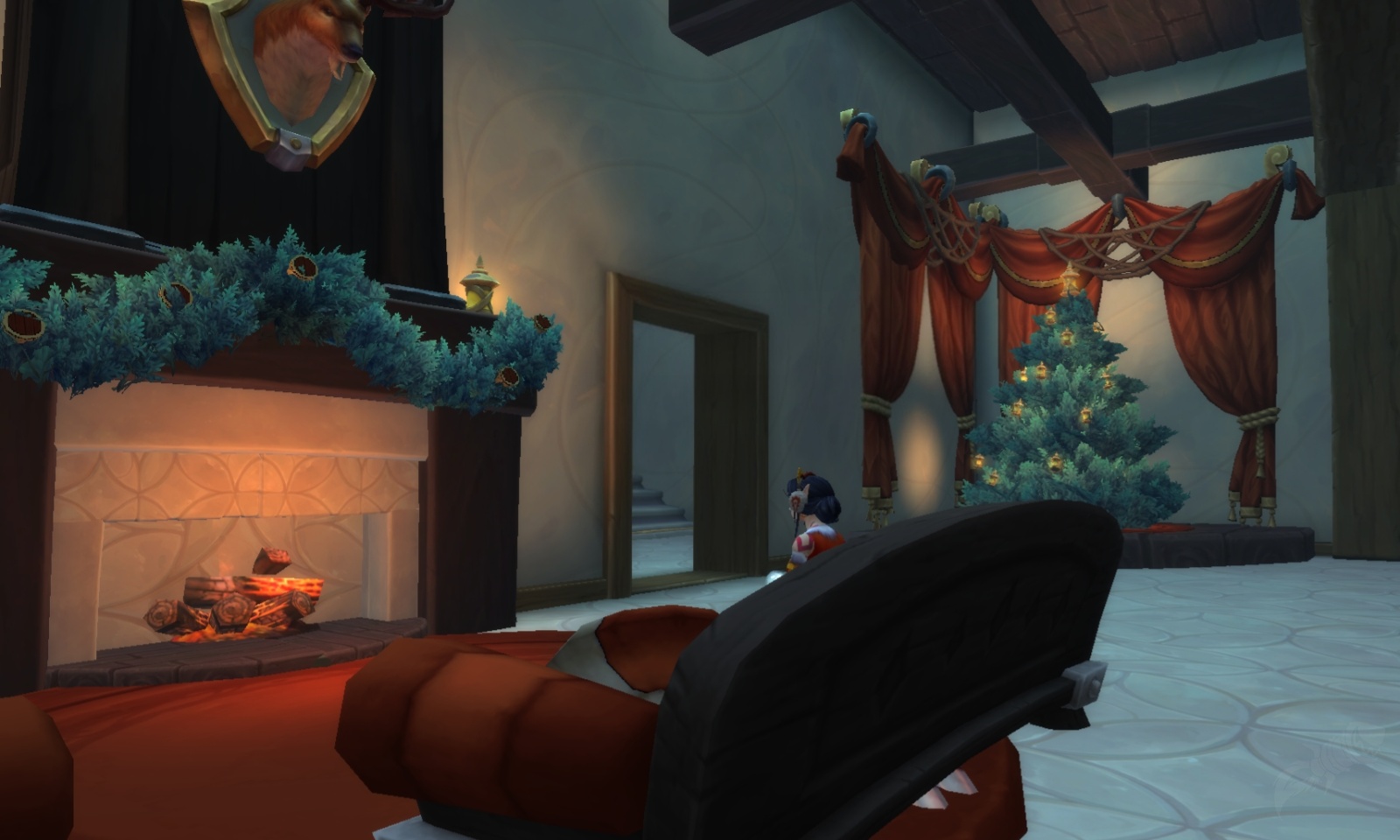
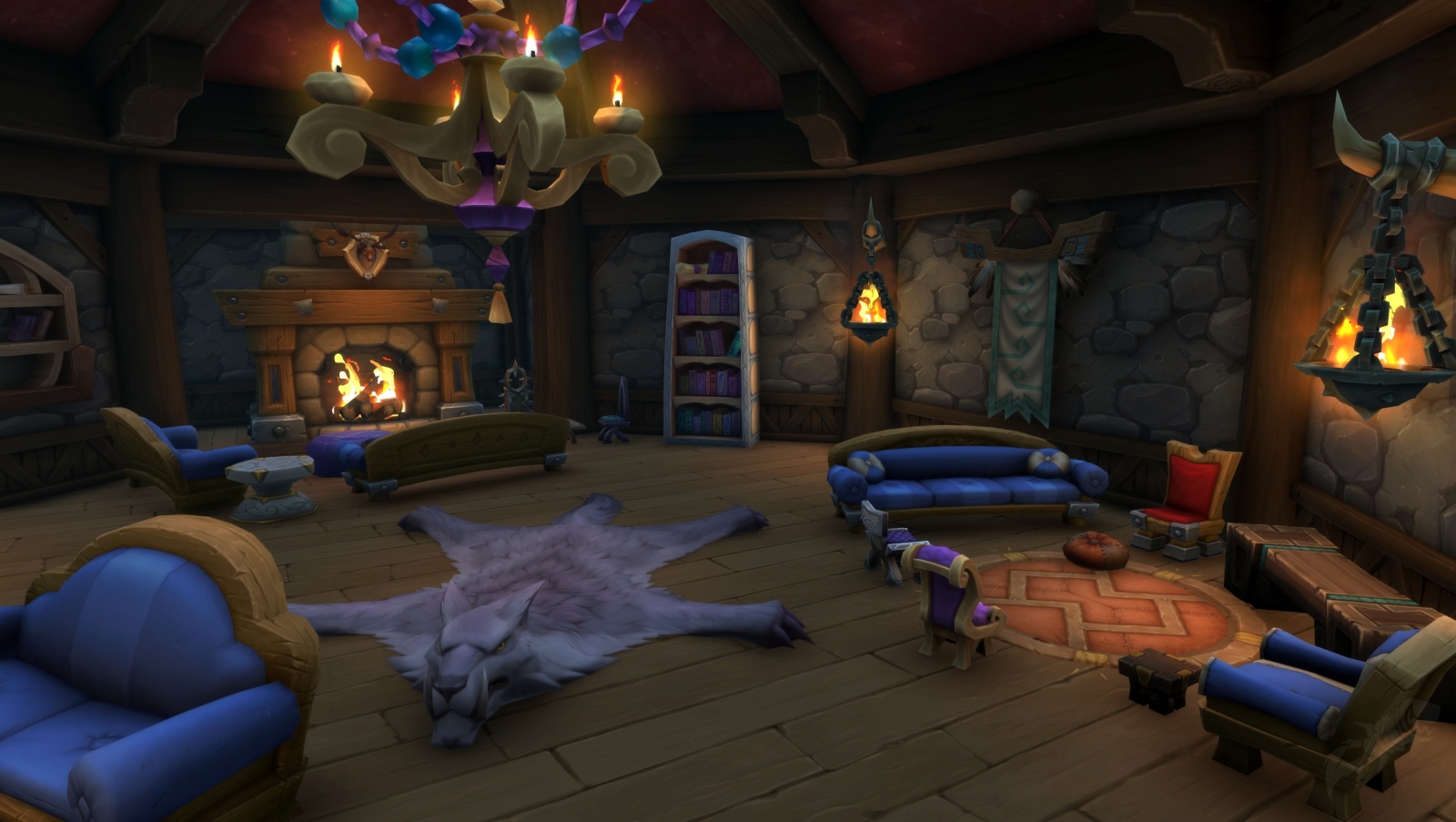
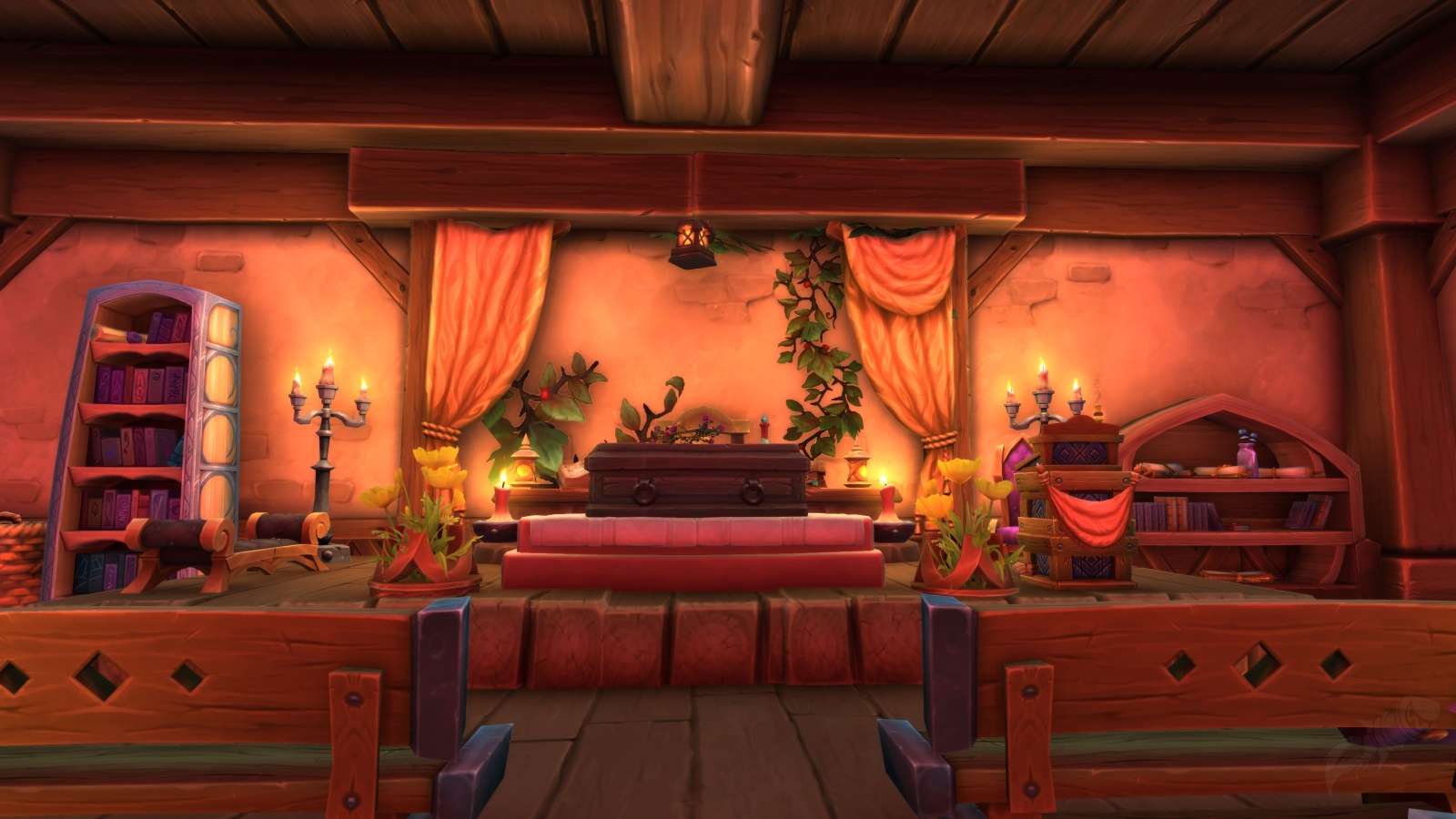
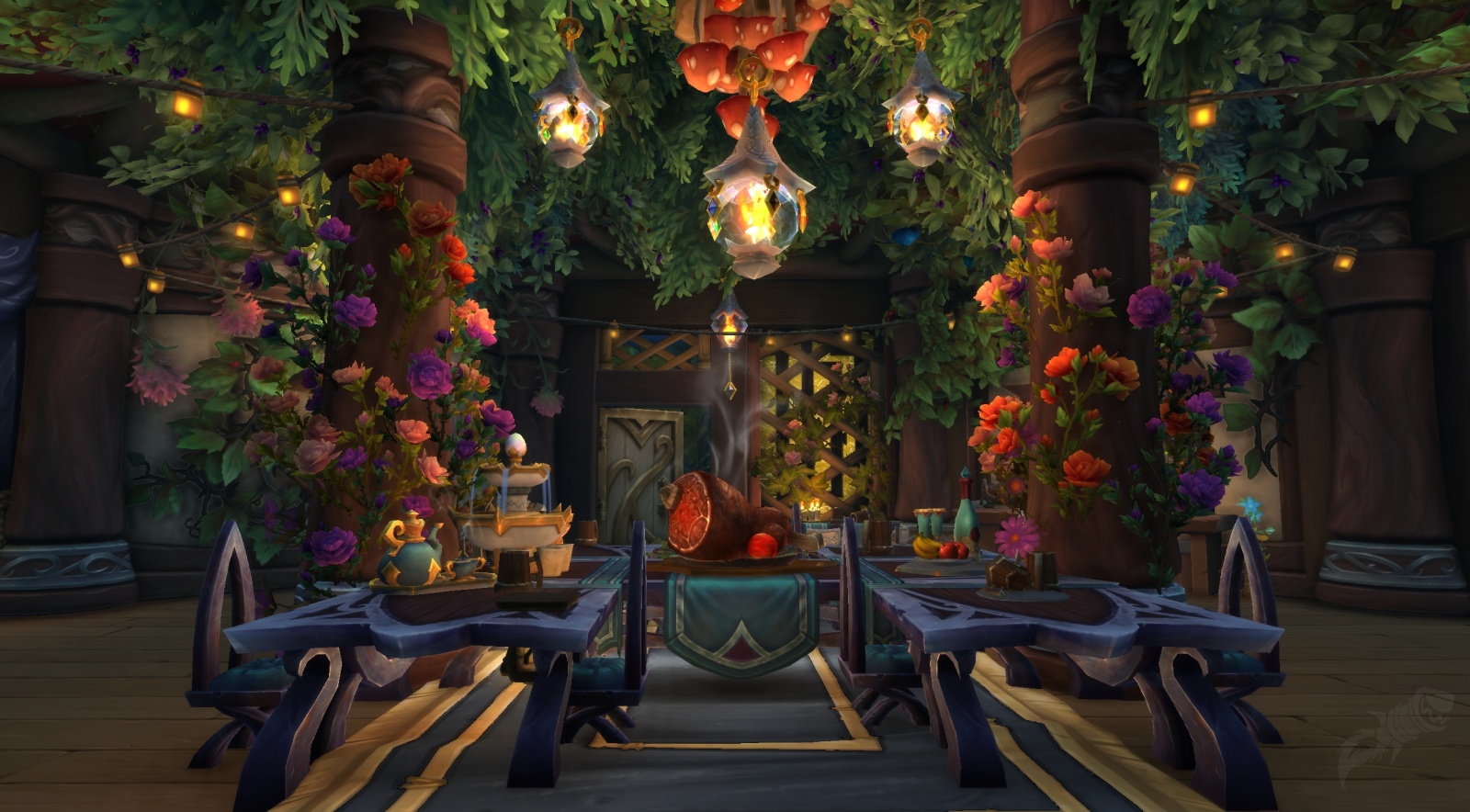
Decorating Modes – Basic & Advanced. The housing UI features two toggleable modes for placing and adjusting decor items:
Basic Mode is perfect for when you want to throw together a cozy room without fuss. In this mode, items snap and align intelligently: rugs will lay flat on the floor, paintings will stick neatly to walls, furniture won’t clip awkwardly into each other. You can drag things around and they’ll bump against each other naturally. Basic mode also provides handy aids like a 15° rotation snap for precise but easy turning of objects (great for lining up chairs around a table). Smaller decor items will even attach to larger furniture – e.g. put a vase on a table, and then moving the table will carry the vase along. All these rules are there to make decorating feel smooth and frustration-free; it’s like having an invisible interior designer ensuring your items behave logically.
But if Basic feels too limiting at any point, flip the switch to Advanced Mode – and prepare to feel like a reality-bending arcane architect. In Advanced Mode, most placement rules are turned off. Items no longer collide, so you can intersect and clip objects if that’s what you want (finally, you can push that chair halfway into the wall for that half-hidden look, if you really desire). You also get access to powerful 3D gizmos that let you move items freely along any axis – meaning you can float objects in mid-air, raise or lower them to precise heights, and nudge them into exactly the spot you envision. You can rotate objects on any axis too, not just the flat horizontal turn – want to tilt a painting at an angle or flip a table upside down? Go for it. And yes, you can even resize decor items within generous limits: make a teapot gigantic or a bed tiny, if it suits your design whimsy. Essentially, Advanced Mode hands you the keys to break the usual boundaries – it’s a playground for creativity.
Interior Customization: Decor doesn’t stop at placing furniture. You can also customize the very structure of your home’s interior. For starters, you have control over wallpaper, flooring, and ceiling textures in each room. Ever wanted a Gilnean mahogany wood floor with a Pandaren paper wall and a druidic ivy ceiling? You can mix and match styles to your heart’s content; there are no faction or theme restrictions inside your house. Furthermore, the system lets you go beyond the pre-built floorplan using “Partition” objects. Partitions are essentially buildable walls or dividers that you can place to create new rooms or sections within the space. With partitions, a large hall can be subdivided into smaller rooms, or you can construct an entirely new second bedroom where originally there was none. This means housing interiors are extremely flexible – you’re not stuck with a static layout.
Midnight’s housing also introduces a splash of color. Many furniture and decor pieces, especially new ones added in Midnight, come with dyeable color variants. At the neighborhood hub you’ll find Dye Traders who can help you recolor your decor items. If you love that overstuffed armchair but wish it were blue instead of red – dye it blue! Even better, many items have multiple components, and you can often dye them separately. For example, change a chair’s fabric color and the wood stain to get the perfect combo. There’s nothing like picking a color scheme for your living room and being able to make your rugs, curtains, and couches match it!
Of course, none of this interior decorating is possible without decor items to place. And here, Blizzard has gone all-out: there is a vast array of furniture and decorations available, pulled from the rich art of WoW’s many expansions. Collecting decor will likely become a game within the game (and a passion for completionists). The good news is decor can be obtained from almost any corner of WoW’s content. The developers want your adventures in the world to tie back to your home. Quests and Achievements have been retroactively fitted with decor rewards. That dusty old quest in Hillsbrad that you did years ago? It might grant you a cozy Jewelcrafter’s Tent for your yard now (and if you already completed it, you’ll get that item on login retroactively). Completing the Onyxia raid achievement might give you Onyxia’s head… as a wall-mounted trophy (finally, a use for all those dragon heads!). Finish a meta-achievement like Back from the Beyond in Shadowlands, and gain a spooky Torghast portal decor to adorn your hall. The idea is to let you collect without fearing you’ll never get a second bed or lamp of that style – you might have to spend gold or currencies for extras, but the option is there.
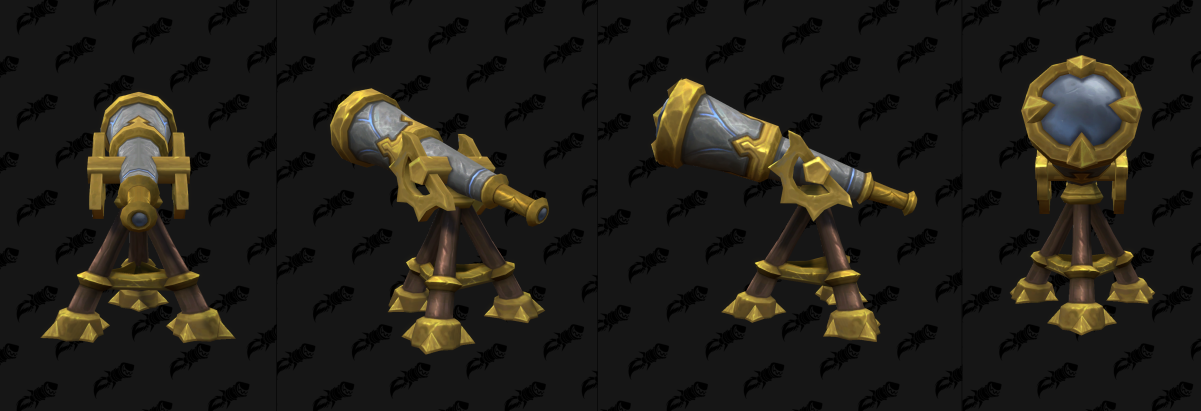
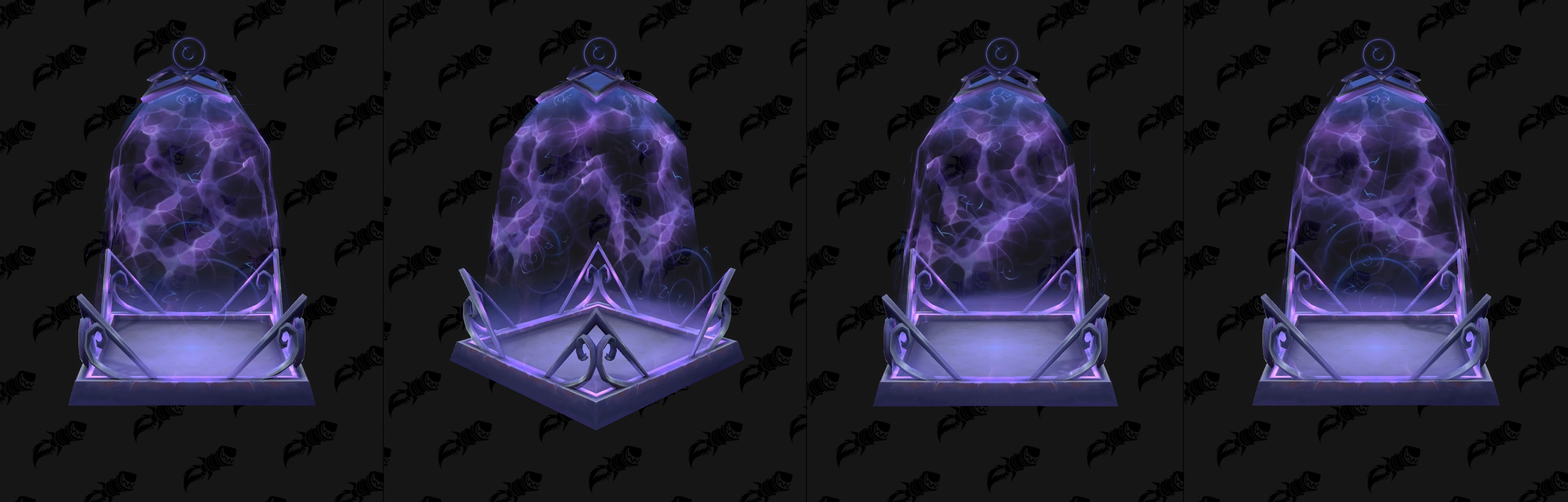
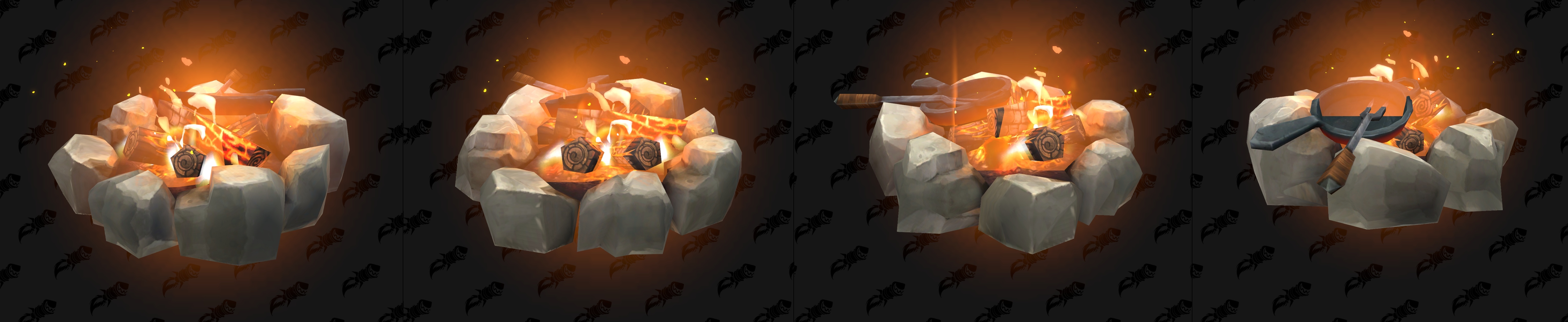
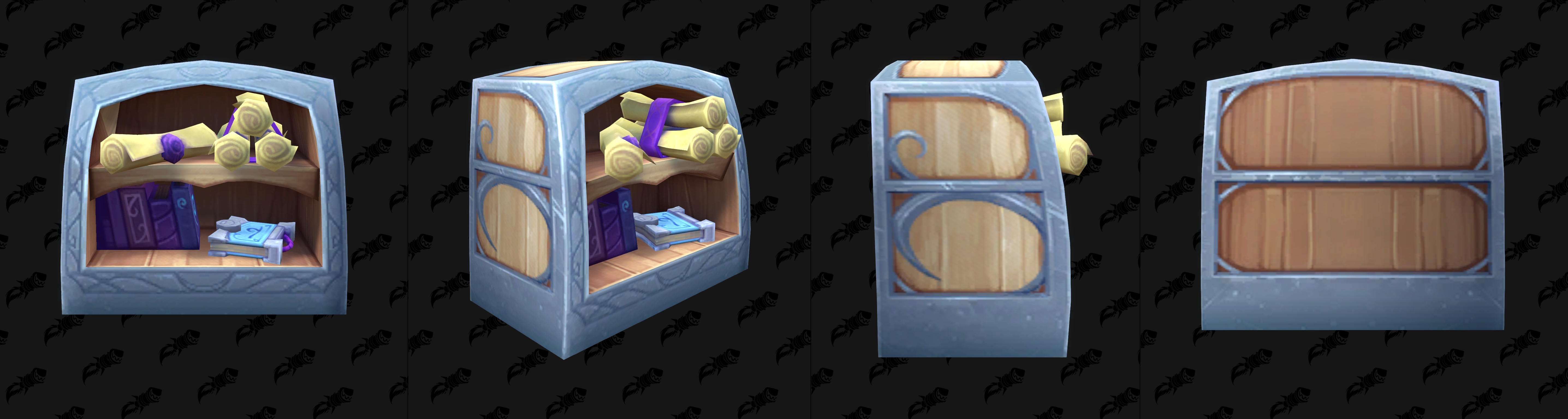
Dungeon delvers and raiders, rejoice: your kills can now literally furnish your home. Dungeon and Raid bosses have chances to drop decor pieces, typically 100% drop rate for one item per kill on certain bosses. In dungeons, usually the final boss has the decor drop; in raids, specific bosses might each drop something iconic. For instance, running Neltharion’s Lair might net you a Thunder Totem Brazier. Clearing Waycrest Manor could yield a creepy painting of the Drust to hang on your wall. These are not super rare drops – if a boss has a decor item in its loot table, one person in the group will get it every kill (perhaps on a round-robin loot mode). So you won’t need to farm endlessly for a 1% drop; bring some friends, do a few runs, and everyone can collect the set of dungeon-themed decorations. Over time, Blizzard will add more of these drops to older raids too, so that eventually you might have reasons to revisit every raid from Molten Core to Shadowlands, hunting for stylish souvenirs for your pad.
Our craftsmen haven’t been left out either. Professions can craft a huge array of decor items, tapping into their thematic expertise. In fact, every crafting profession can produce decorations, often reflecting the style of each expansion:
Finally, for those who just want to shop, each neighborhood hub has a set of basic decor vendors peddling locally-themed furniture. These vendors sell relatively inexpensive items that match the neighborhood’s aesthetics – simple tables, chairs, lamps, plants, etc., styled in Alliance or Horde fashion. It’s a great way to quickly grab some pieces to fill out your home early on. And a sly crew of goblin “smugglers” in each hub can hook you up with a taste of the other faction’s catalog too. For example, if you’re an Alliance resident eyeing those spiky iron chandeliers from Orgrimmar, the black market traders in Founder’s Point will quietly sell you the Horde equivalents (and vice versa Horde-side for Alliance items). So even if you only have one house, you can ultimately collect decor from both factions’ styles – truly nothing is off-limits.
In essence, every activity in WoW now has a homestead twist. Quest, Raid, PvP, Rep Grind, Crafting, Holiday Events, you name it – they can all reward you with decor to personalize your space. Midnight is bringing an embarrassment of riches for decorators, and Blizzard has promised this is just the start (they plan to keep adding decor sources and items in future updates). It’s an entire new layer of progression: a casual one, based on creativity and collection rather than power. And it’s utterly addictive to those of us who love a bit of The Sims in our Warcraft.
So let your imagination run wild. Will you create a cozy Tauren inn with warm earthtones and tribal drums? A mystical mage’s tower full of floating books and arcane devices? Perhaps a rogue’s den lit by stolen golden candelabras, or a hunter’s lodge adorned with trophy heads and pelts (so many beasts to hunt for wall mounts!). Your house reflects you, and now Azeroth hands you the keys to express yourself. WoW’s housing system offers both breadth and depth – breadth in the sheer variety of decorations to gather, and depth in the tools to place and customize them.