




PvP in Midnight hits like the arena gates crash down behind you: air colder, lights harsher, and the game stops pretending PvP is anything but a fight for tempo, for information, for nerve. That old safety net — gluing half your brain to addons and little scripts — gets cut loose. Signals come through cleaner. The limits bite harder. And excuses don’t get to hide anymore.
This is an expansion where Blizzard steers PvP toward “if you can read the moment, you win the moment”. Matchmaking and queues should feel more curated, and UI clarity starts beating UI clutter by default. Reward tracks stop feeling like a punishment and start feeling like a route with a shape you can see. If you like structured progression and predictable goals, Midnight is meeting you halfway. If you live off noise — fifteen trackers screaming at once — it’s going to feel like someone snapped the lights on and left them there.
The biggest PvP change in Midnight isn’t one headline nerf or one shiny talent tweak. It’s pacing. Fights lean into attrition — a slow, methodical tug-of-war where damage and healing arrive in layers, not coin-flip spikes. Health bars don’t “ping-pong” as violently, and kills get earned through sustained pressure, tight setups, and disciplined trading, not one lucky global that deletes someone.
That slower beat only works if it stays playable instead of turning into sludge, so Blizzard is trimming the worst parts: less scripted perma-lock, fewer “free” micro-controls, and windows you can see coming and plan around. This is where Diminishing Returns (DR) and crowd control rules do the heavy lifting — keeping chains honest, stopping endless lockouts, and forcing real choices about when to spend CC and when to hold it.
Here’s the real point: winning isn’t about chaining more CC. It’s about spending CC like it matters. Track DR categories, build your setups around two real stops, and stop pressing control buttons “just because they’re up.” Midnight still has plenty of crowd control — it just makes sloppy CC obvious, and it makes disciplined CC lethal.
One of the biggest 12.0 changes is the tighter API rule-set around combat automation. Addons aren’t wiped off the map — they’re just fenced in. If the default UI doesn’t expose a piece of combat data, your addon doesn’t get to “discover” it on its own. That single constraint rewires PvP at a practical level: how you track cooldowns, how you read momentum, and how certain you can be when you think you know what the other team still has in the tank.
In real matches, it lands like this:
In Midnight Season 1, PvP gearing plays by different rules than in PvE. Every PvP item effectively comes with two item levels: a base item level that matters outside of PvP, and an enhanced PvP item level that kicks in once you’re inside Arenas and Battlegrounds.
Because of that scaling, even “low PvE ilvl” PvP pieces don’t walk into a match underpowered — they’re pulled up to a competitive PvP number in combat. It narrows the gap between fresh characters and geared veterans.
| Gear Type | Base Item Level | PvP Item Level | Currency |
|---|---|---|---|
| Galactic Aspirant | 217 | 276 | Honor |
| Galactic Warmonger | 243 | 276 | Bloody Tokens (War Mode PvP) |
| Galactic Gladiator | 246 | 289 | Conquest |
| Crafted PvP Gear | 250 | 263 | Honor (Heraldry reagent) |
| Crafted PvP Gear | 250 | 289 | Conquest (Heraldry reagent) |
Crafted PvP gear in WoW Midnight also doesn’t follow the PvE upgrade loop. You’re not climbing raid crests or dungeon tracks here. PvP crafting is built around a certification system called Heraldry — the Heraldry reagent you use decides how high the crafted piece scales once you step into PvP.
Every crafted PvP item still behaves like a “two ilvl” piece:
| Heraldry Type | PvP Item Level |
|---|---|
| Galactic Aspirant's Heraldry | 263 |
| Galactic Combatant's Heraldry | 276 |
| Galactic Gladiator's Heraldry | 289 |
The only part that really changes for PvP power is the Heraldry tier you craft with. Pick the wrong one and the item still works — it just scales lower than it could. Pick the right one and the crafted piece lands on the same PvP ilvl bracket you’re aiming for.
In WoW Midnight Season 1, PvP rewards come from two lanes that run in parallel: rating milestones and seasonal progress. Rating is the “prove it” track — you climb, you hit a breakpoint, you unlock a specific cosmetic. Seasonal progress is the grind track — you keep queuing Rated PvP and the bar moves, even if the push itself is messy.
That split matters. You can still bank rewards while you’re learning comps, fixing mistakes, or just having an off week, but the cleanest cosmetics and the real prestige pieces still sit behind hard numbers and top-end placement.
Seasonal Vicious Mount: Vicious Snaplizard. This one is earned through Rated PvP wins once you’re at 1000 rating (Combatant) or higher. Every win adds progress to the Season Rewards bar, and that progress works across all rated formats — Arena, Solo Shuffle, and Battleground Blitz. It’s the “show up and keep playing” mount: you don’t need a perfect streak, but you do need consistent wins and time in the queue.
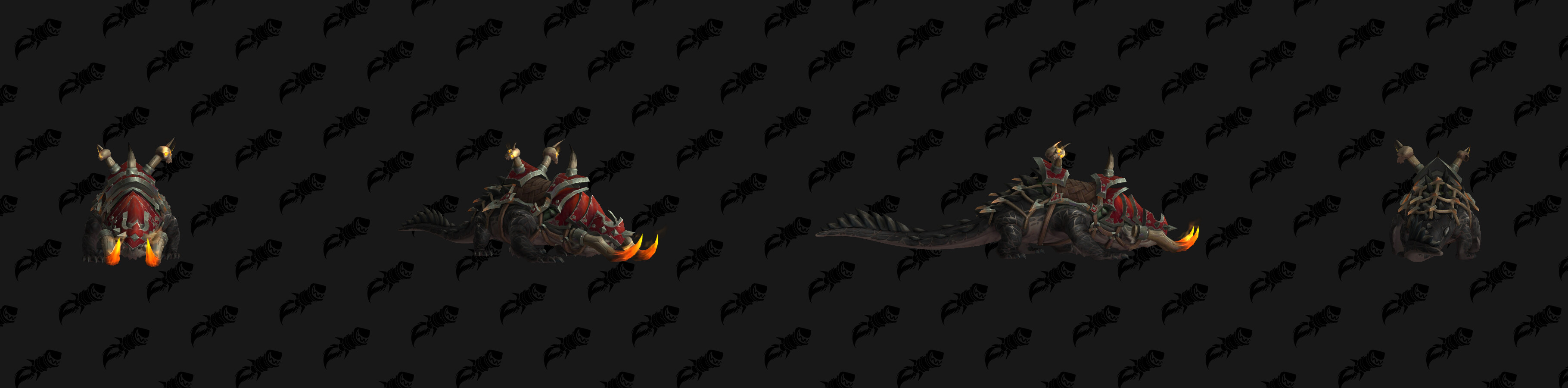
Horde Version
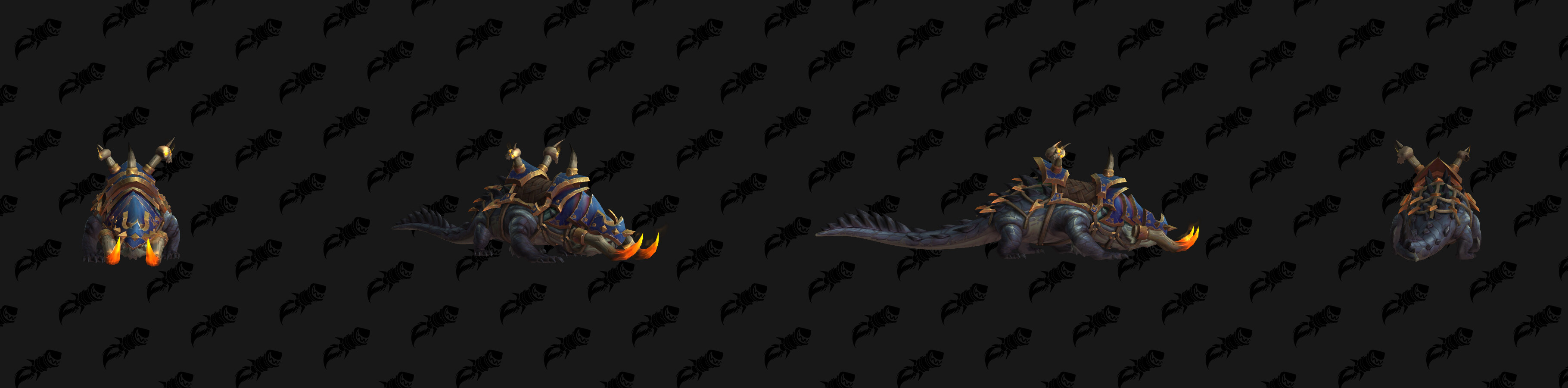
Alliance Version
Gladiator Mount: Galactic Gladiator's Goredrake. This one is the prestige flyer — it’s awarded when you win 50 games at 2300 rating and above. If you’re pushing it yourself, this is the point where games stop being “play clean” and start being “play clean every round”, because every mistake costs real rating!
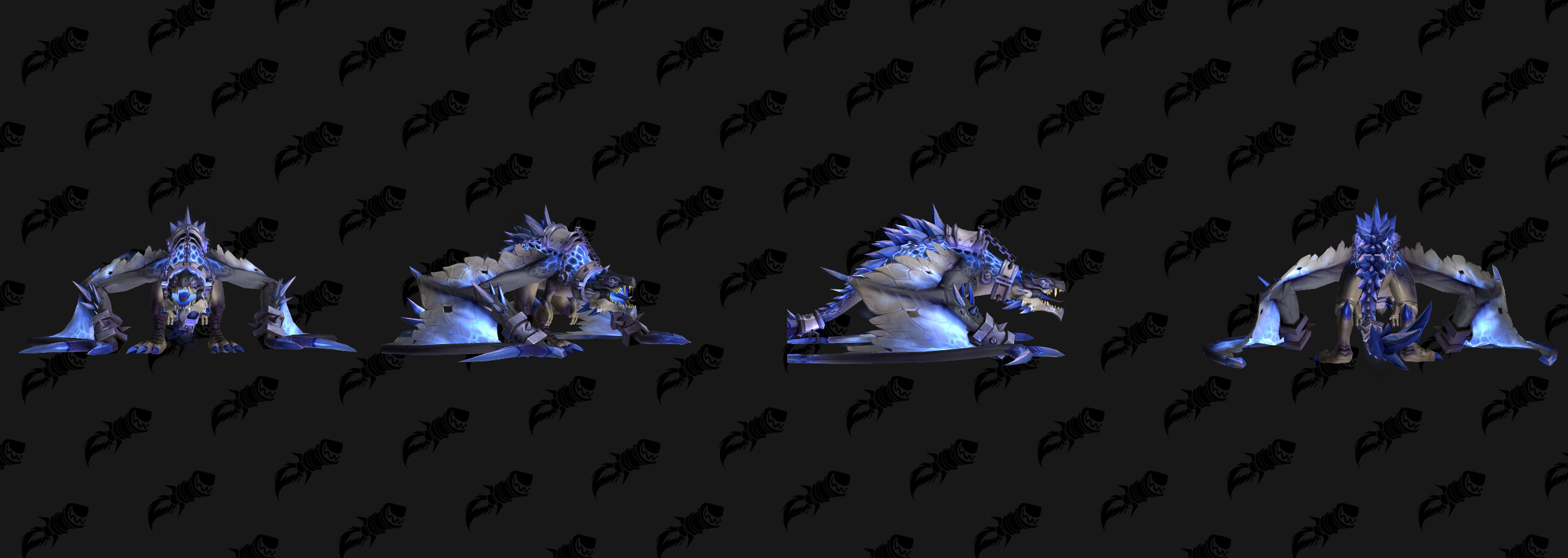
If you want the simple route: aim for Vicious Snaplizard first while you build reps and comfort in rated play, then decide if a 2300+ push for Galactic Gladiator's Goredrake is on the table this season.
The following rewards and achievements are granted upon reaching a certain rank in Midnight Arena:
Solo Shuffle rewards in Midnight are few in number, but they’re the ones people actually chase:
Battleground Blitz rewards in Midnight are straight to the point: either you hold Elite long enough to stack wins, or you finish the season in the top 0.1% and take the title that proves it.
Midnight Season 1 keeps the standard PvP ladder and its familiar breakpoints. Rating here isn’t just a badge — it’s a set of locks you open one by one. Hit the number, the reward unlocks. Fall short, and that slot stays closed until you earn it.
The climb is predictable on purpose. Early ranks hand you practical transmog pieces, then the higher brackets pivot into the “status” cosmetics.
If you’re planning a push, this makes goal-setting simple: grab the first thresholds fast, then decide whether you’re building toward Rival, making the Duelist push, or committing to the Elite wall.
| Rank | Rating | Reward |
|---|---|---|
| Combatant I | 1000 | Cloak |
| Combatant II | 1200 | Legs, Bracers |
| Challenger I | 1400 | Gloves, Boots |
| Challenger II | 1600 | Chest, Belt |
| Rival I | 1800 | Shoulders, Helm |
| Rival II | 1950 | Illusion: Arcane |
| Duelist | 2100 | Galactic Gladiator’s Prestigious Cloak |
| Elite | 2300 | Galactic Gladiator’s Tabard |
If you’re new to Midnight PvP or you’re just trying to figure out where to spend your time, this table lays the modes out side by side. Same question every season: do you want rating, do you want gear, do you want reps, or do you want low-stress practice. This is the quick way to pick a lane without guessing.
| Mode | Team Size | Rating | Rewards | Best For |
|---|---|---|---|---|
| Arena | 2v2 / 3v3 | YES | Conquest gear, titles | Competitive duels & team play |
| Solo Shuffle | 3v3 | YES | Conquest gear, personal progress | Players without a premade team |
| Battleground Blitz | 8v8 | YES | Honor, gear, seasonal rewards | Objective PvP & team fights |
| Rated Battlegrounds | 10v10+ | YES | Objective rewards, PvP gear | Organized group PvP |
| Unrated Battlegrounds | Varies (10v10 – 40v40) | NO | Casual rewards, honor | Casual PvP & leveling |
| Training Grounds PvP | Varied (Bots) | NO | Practice | PvP practice vs bots (new players) |
| Open World PvP | Open world | NO | Optional honor/world rewards | World PvP skirmishes |
| Dueling | 1v1 | NO | Respect | Skill duels & practice |
Arena in WoW Midnight is still the main competitive PvP mode. It’s a closed fight — 2v2 and 3v3 — with no flags, carts, or side objectives to hide behind. You win by controlling the pace, trading cooldowns cleanly, and not donating rounds with sloppy positioning.
The following Arena modes are available in Midnight:
For beginners, 2v2 is easier to read: fewer players, less chaos. But 3v3 is the more “honest” bracket — it exposes comps, setups, and mistakes the way ranked Arena is meant to.
In Midnight, Arena leans more strategic. Rounds last longer, burst windows are tighter, and small errors cost more: an early trinket, a wasted defensive, one bad step that breaks line-of-sight at the wrong moment. It’s less about random spikes and more about who stays clean for longer.
If you’re queueing 2v2, treat it like a fundamentals bracket: learn trading, learn positioning, learn when to stop chasing. If you’re queueing 3v3, expect sharper punishments — but also clearer feedback on what’s actually wrong in your play.
Solo Shuffle is the solo queue version of 3v3 Arena. A match is played as a set of 6 rounds: the game reshuffles players between teams each round, but the lobby format stays the same — 2 Healers + 4 DPS.
The key difference from regular Arena is simple: you don’t need a premade. You queue alone and you play. That’s why Solo Shuffle ends up being the most approachable rated PvP mode in Midnight.
How Solo Shuffle works in Midnight:
The format is always 3v3, and every player plays 6 rounds.
Go 4–5 wins out of 6 and your rating usually jumps hard. Land at 0–2 wins and you’ll usually bleed rating. The upside is that you’re not chained to one bad team for an entire night — the system judges you across a series of rounds, and the reshuffles give you multiple chances to show clean play and good decisions.
Rated Battlegrounds (10v10) is the organized team PvP lane in WoW Midnight. This is the “full squad” format: a real roster, real roles, and real calls. Less chaos, more structure. When it works, it feels like a team sport — rotations, setups, and coordinated pressure instead of ten people freelancing in the same zip code.
How Rated Battlegrounds (10v10) work in Midnight:
Conceptually it’s the classic rated battleground deal: you queue with an organized team for rating and rewards, and you win by controlling the win condition. The difference from smaller brackets is the scale.
Battleground Blitz is the rated, fast-format battleground lane in WoW Midnight. It keeps the DNA of objective PvP, but strips away the slow “big RBG” tempo: 8v8 teams, quicker win conditions, and cross-faction queues that get matches moving before your group can overthink the opener.
How Battleground Blitz works in Midnight:
The difference from traditional RBGs is pace. Blitz compresses the whole match into earlier, sharper decisions — fast caps, fast punishes, fast snowballs. Slow rotations, greedy chases, and “just one more kill” calls get exposed immediately. If you want to push the top end in Battleground Blitz, the team has to play objectives first and fight second — or you end up losing the map while you’re winning the brawl.
The Training Grounds now sits as a permanent option inside the PvP tab. It’s always on — 24/7 access to combat bots in Arathi Basin, Silvershard Mines, and Battle for Gilneas. In practice, it plays like a widened, evergreen take on the Comp Stomp brawl: a space to learn PvP fundamentals without walking straight into the pressure cooker of rated queues, addons screaming, and teammates tilting after the first wipe.
As a “learn the feel” mode, it works. You can get comfortable with Battleground pacing, target swapping, and basic cooldown trading without feeling punished for being new. The problem is tuning: current NPC scaling has sparked reports of bots occasionally “one-shotting” players, and the stat-squish math is the usual suspect.
On top of that, the mode still doesn’t teach objectives. It won’t tell you why node respawn timing matters, how flag logic actually works, or what a good rotation looks like beyond “fight near the thing.” A battleground journal or a lightweight tutorial overlay would turn this from a sparring room into an actual classroom. And yes — rewards are gated, and you won’t be farming Bloody Tokens here; those stay tied to world PvP in War Mode.
Right now, Training Grounds shines as a low-stakes mechanics sandbox, not a full onboarding system. It gives newer players clean reps on the muscle-memory layer — swaps, trades, map familiarity, moving with a pack instead of drifting alone — but it doesn’t teach the decision layer that separates “I can fight” from “I can win the Battleground”. If Blizzard tightens the scaling and adds even minimal objective coaching, this could become the strongest entry point PvP has had in years. Let's see what happens.