




World of Warcraft: Midnight is the next chapter of the Worldsoul Saga that started with The War Within, taking heroes back to the ancient lands of Quel’Thalas under a looming Voidstorm. In this expansion, the level cap rises to 90 as players explore four new and reimagined zones, unlock a new allied race and a new Demon Hunter specialization, build and decorate personal homes, and master fresh systems and challenges.
Midnight’s tone is one of dire beauty: an invasion of darkness met by the rekindled light of the Sunwell and new alliances between old foes. Below we delve into all the major features and content of the Midnight expansion in detail.
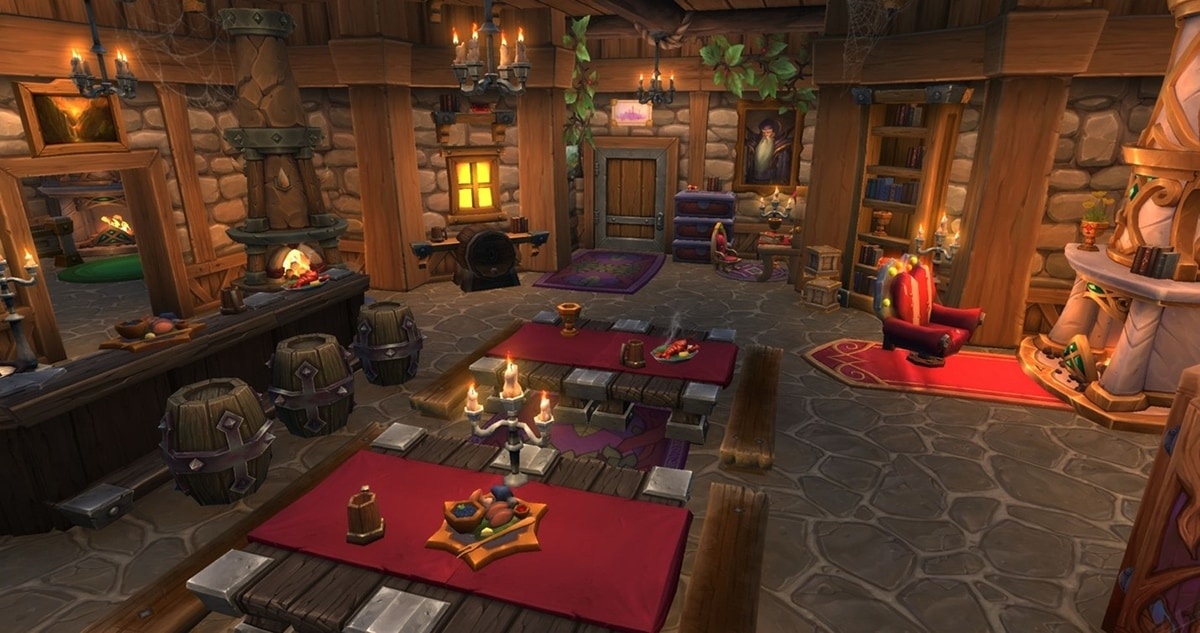
One of Midnight’s headline features is the long-awaited Player Housing system. For the first time in WoW’s history, players can obtain their own instanced houses in Azeroth and fully customize them with furniture, décor, and trophies. Housing in Midnight is designed as a purely cosmetic and social feature (no player power tied to it), but with tremendous depth for creativity. Here’s how it works:
From cozy cottages in the woods to arcane sanctums or rogue’s hideouts, Player Housing in Midnight offers endless possibilities for players to express themselves. With easy-to-use tools (and an Advanced mode for the detail-oriented), housing is shaping up to be a beloved long-term feature. And don’t worry if you’re not into it – you can engage as little or as much as you want. But many will find it a delightful respite from combat, a chance to literally build a home in Azeroth and fill it with memories of your adventures.
After long years of only two specs, Demon Hunters finally get a third specialization in Midnight: the Devourer. This new DPS spec, unlocked for all Demon Hunter players at expansion launch (or more likely in the pre-patch), embraces the Void instead of Fel, granting Illidari new powers ripped from their enemies.
The Devourer is designed as a mid-range DPS spec that blends the class’s frenetic melee strikes with dark ranged magic, effectively allowing Demon Hunters to fight from a bit of distance while still darting in and out of the fray. Gameplay-wise, Devourers harvest the souls of their foes to fuel devastating void techniques. They wield a ghostly Void Scythe conjured from their warglaives, enabling new slashing and cleaving attacks. The spec’s theme is all about consumption and cosmic power – you’ll literally devour essences to empower yourself.
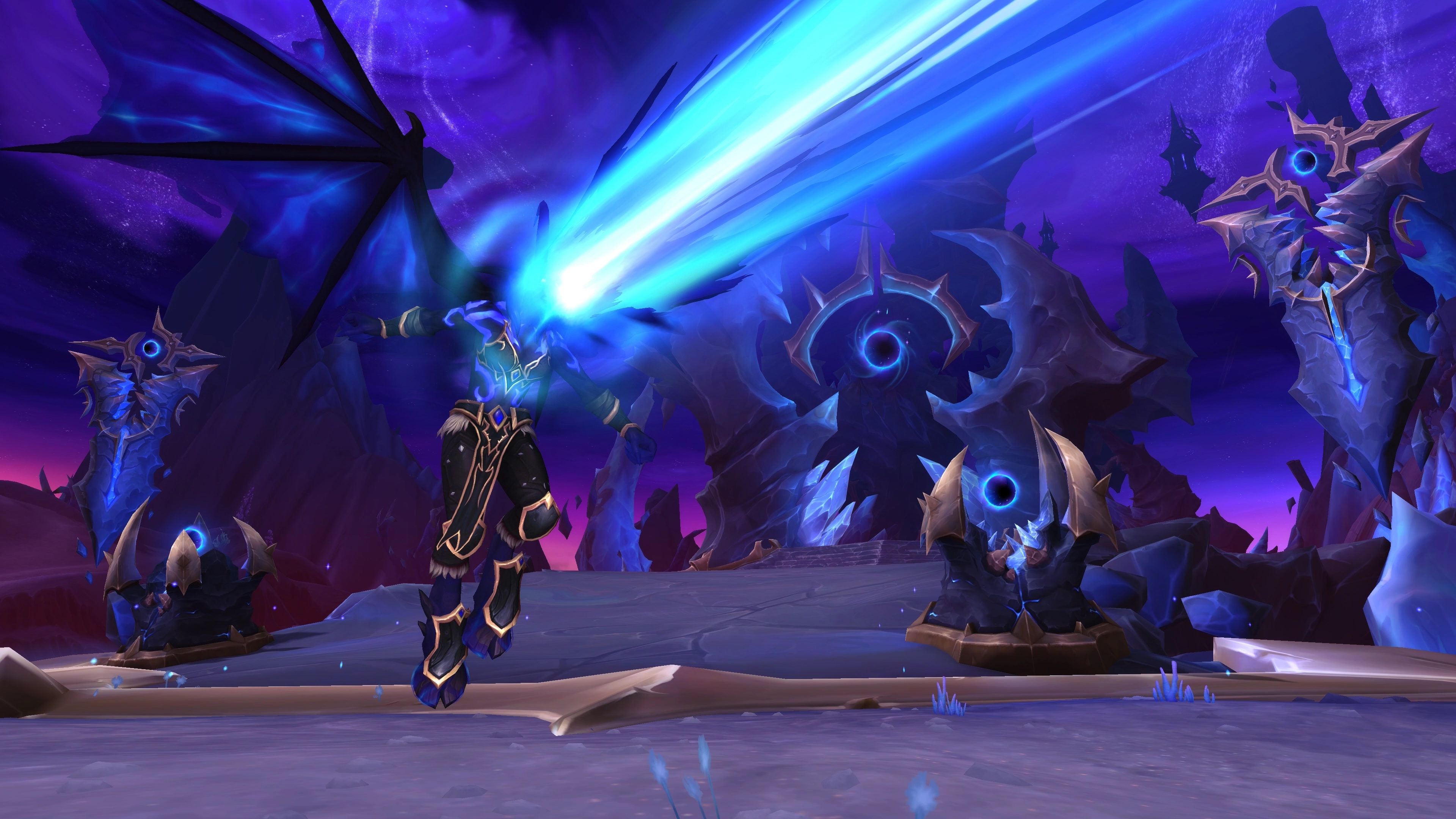
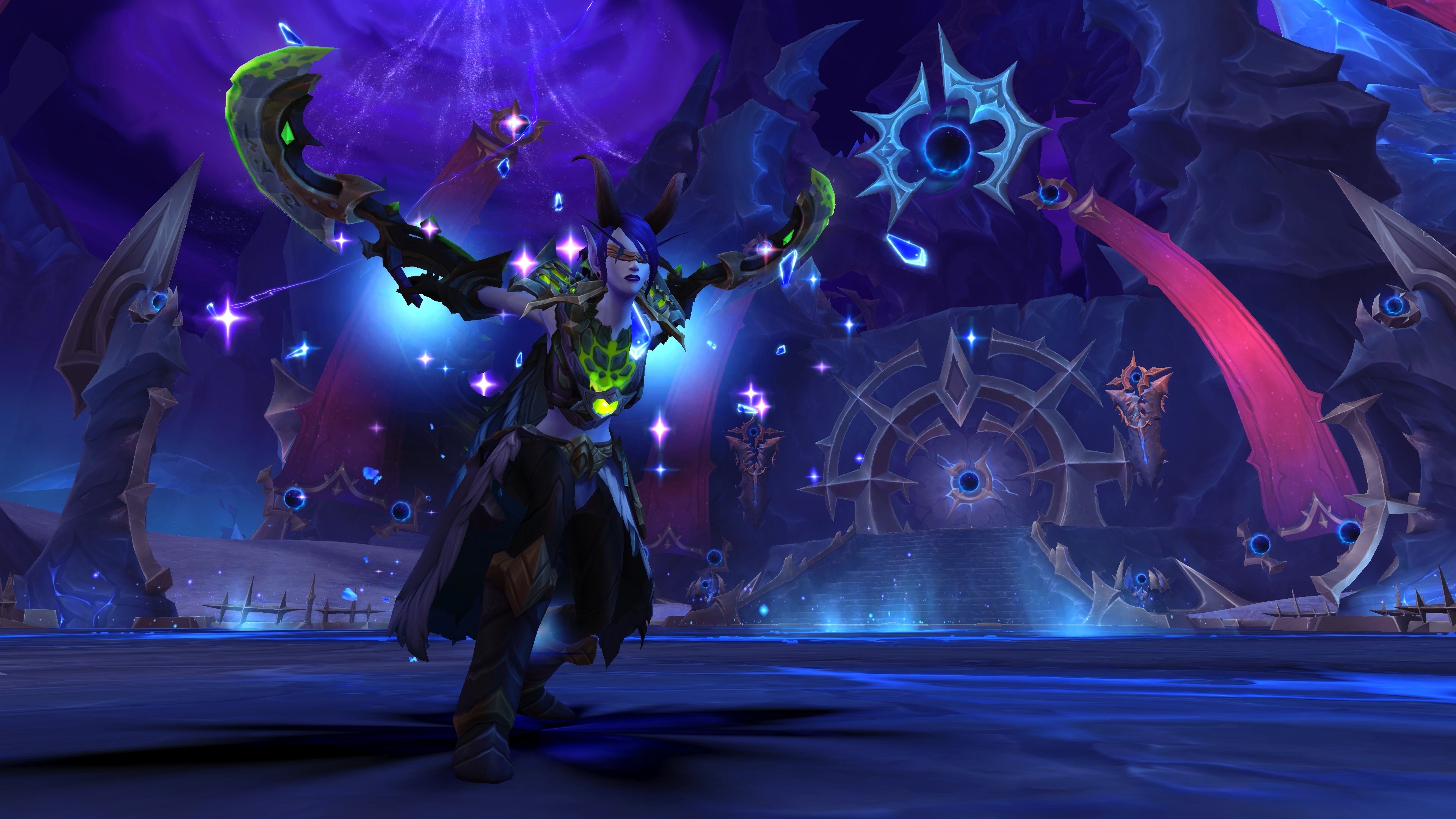
Some signature Devourer abilities include:
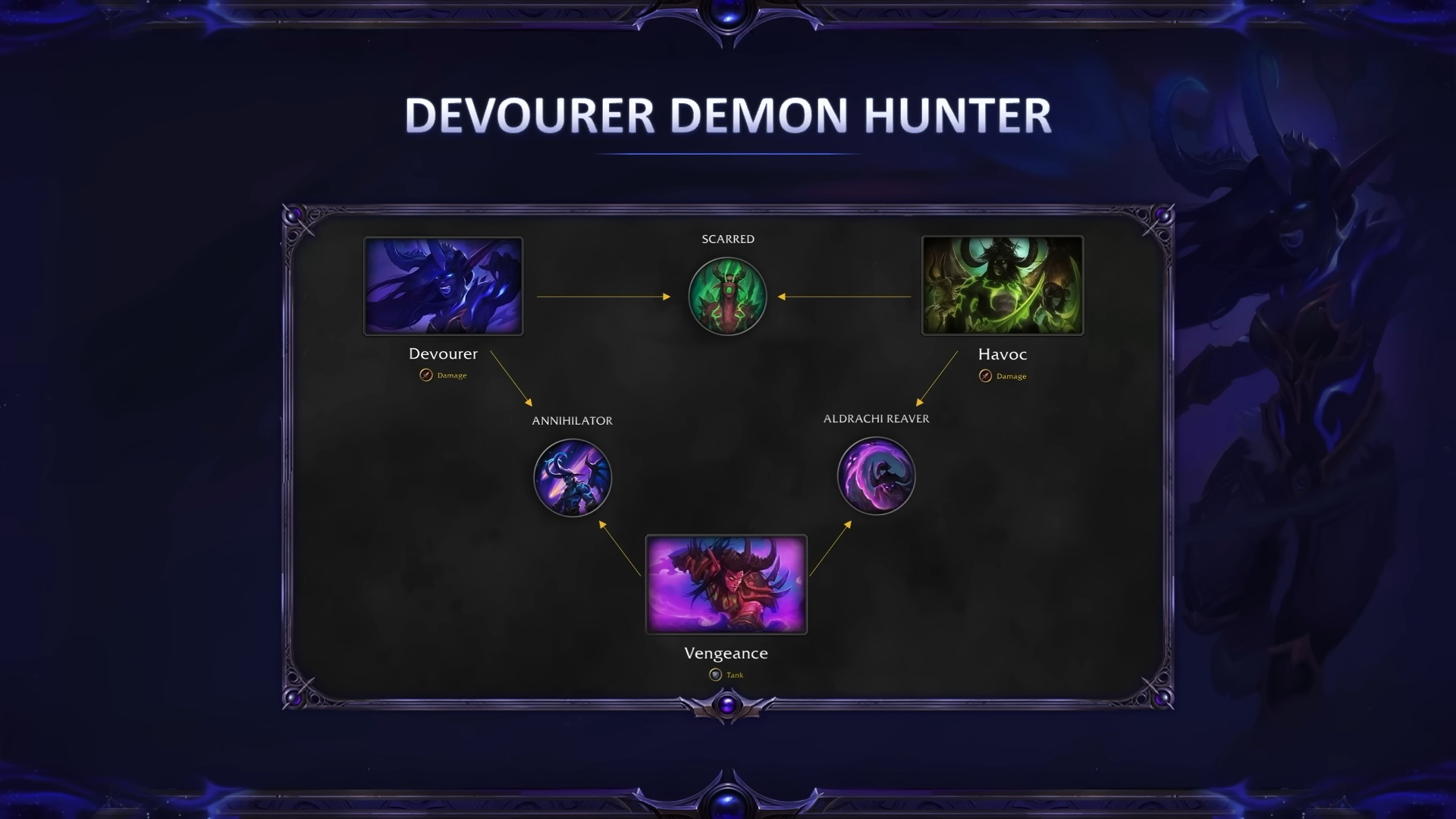
These new abilities, among others, give the Devourer a very distinct playstyle. You’ll be weaving in ranged void spells with your melee moves, maintaining an ebb-and-flow of harvesting and spending souls to keep yourself empowered. Devourers also gain a unique talent progression: a new Hero Talent tree called “Annihilator” (accessible at max level) which further augments their void powers, including a pinnacle talent that lets you hurl down comets on your foes.
On top of that, Demon Hunters get a new race option: Void Elves can now become Demon Hunters, joining the Illidari ranks. In the pre-patch, a short questline in Murder Row sees Illidan’s followers teaching select Void Elves to control fel and void in tandem – addressing longstanding player wishes for more DH races.
Overall, the Devourer spec broadens the Demon Hunter’s identity: where Havoc is frenetic melee and Vengeance is tanking, Devourer adds a dark spell-slinging skirmisher to the mix. It retains the class’s agility and self-healing core, but with a shadowy, unpredictable edge. Whether you’re summoning black holes or cleaving with a void-scythe, this spec offers a fresh, highly thematic way to play a Demon Hunter that many players are eager to master.
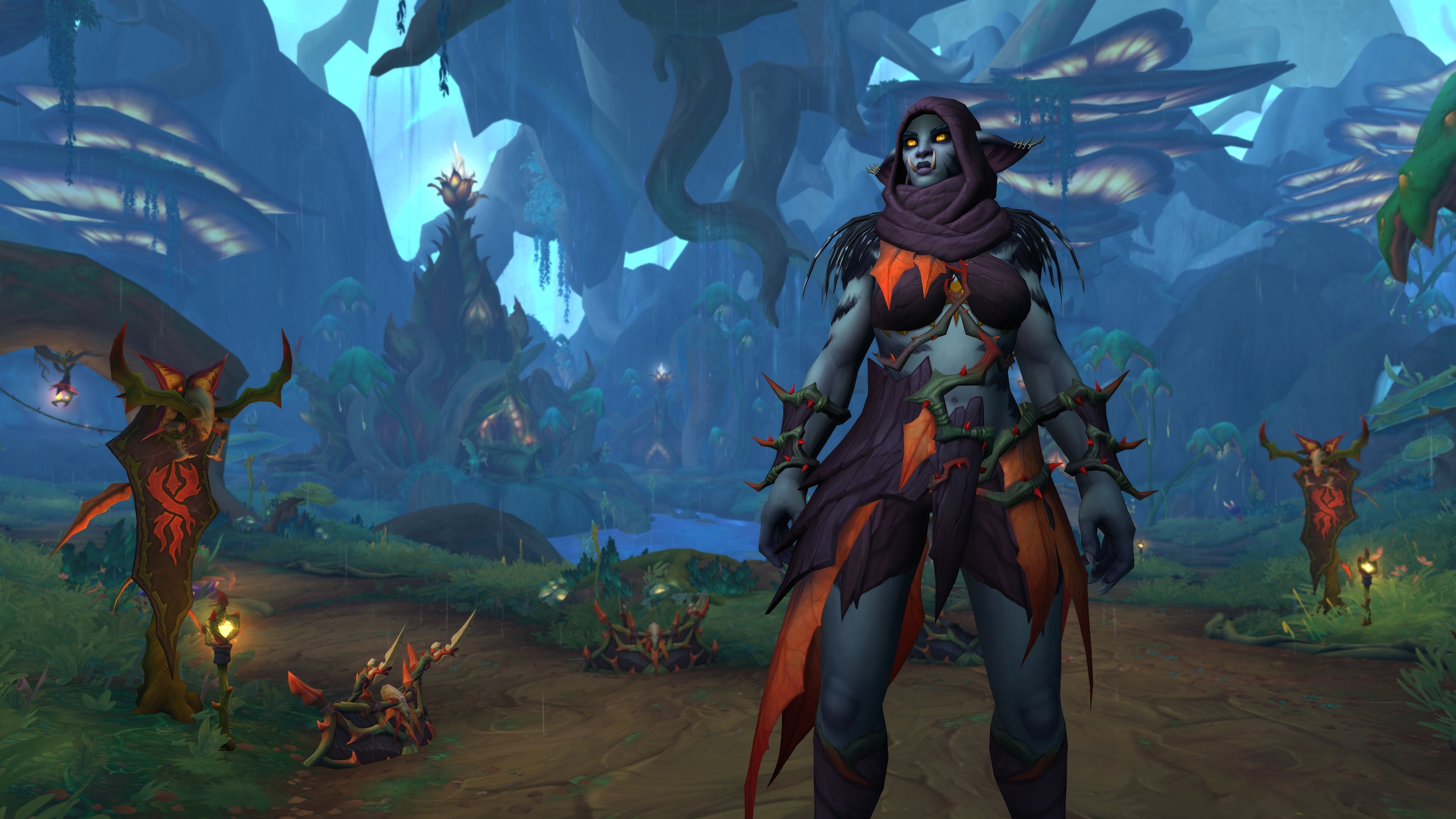
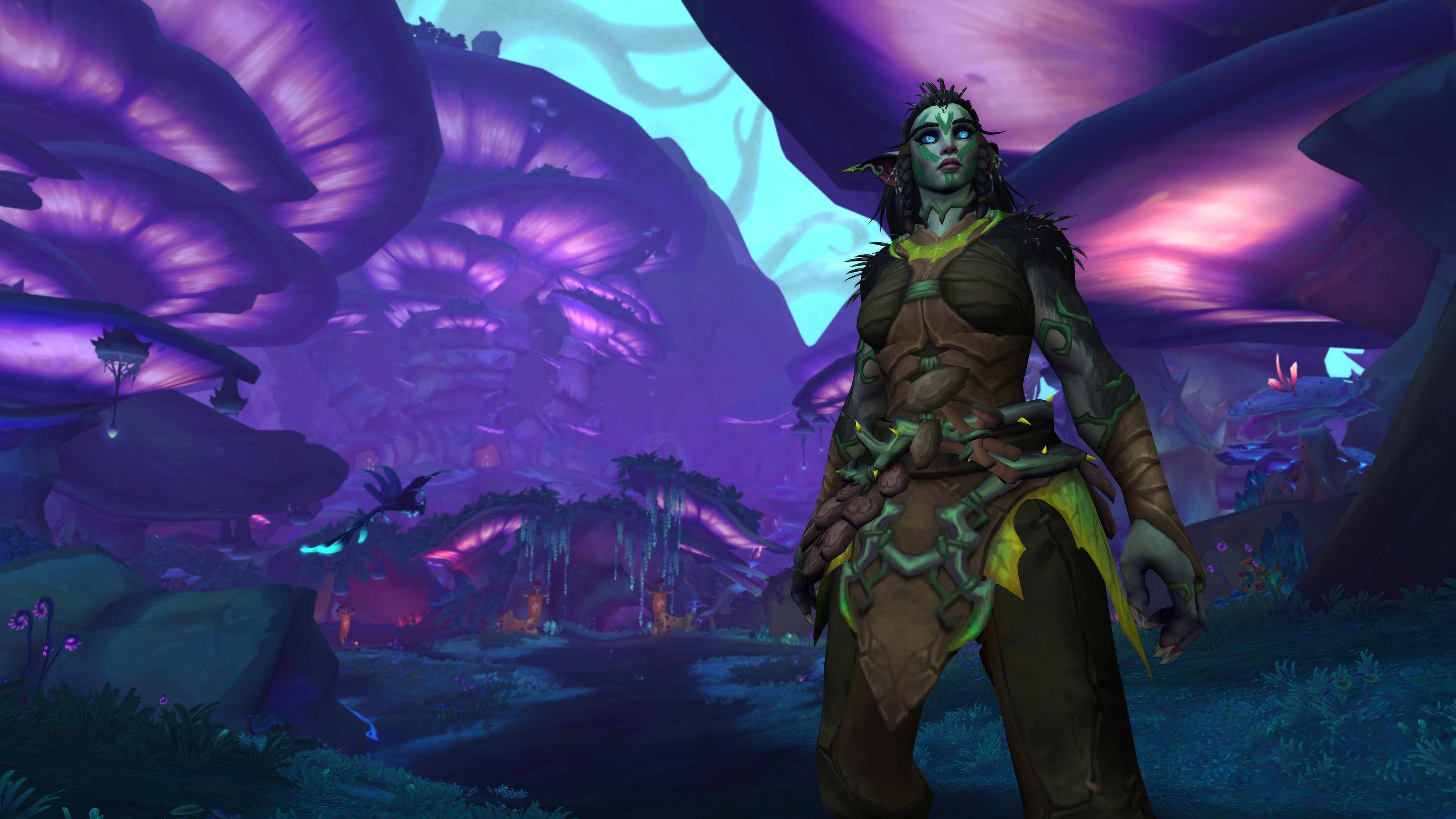
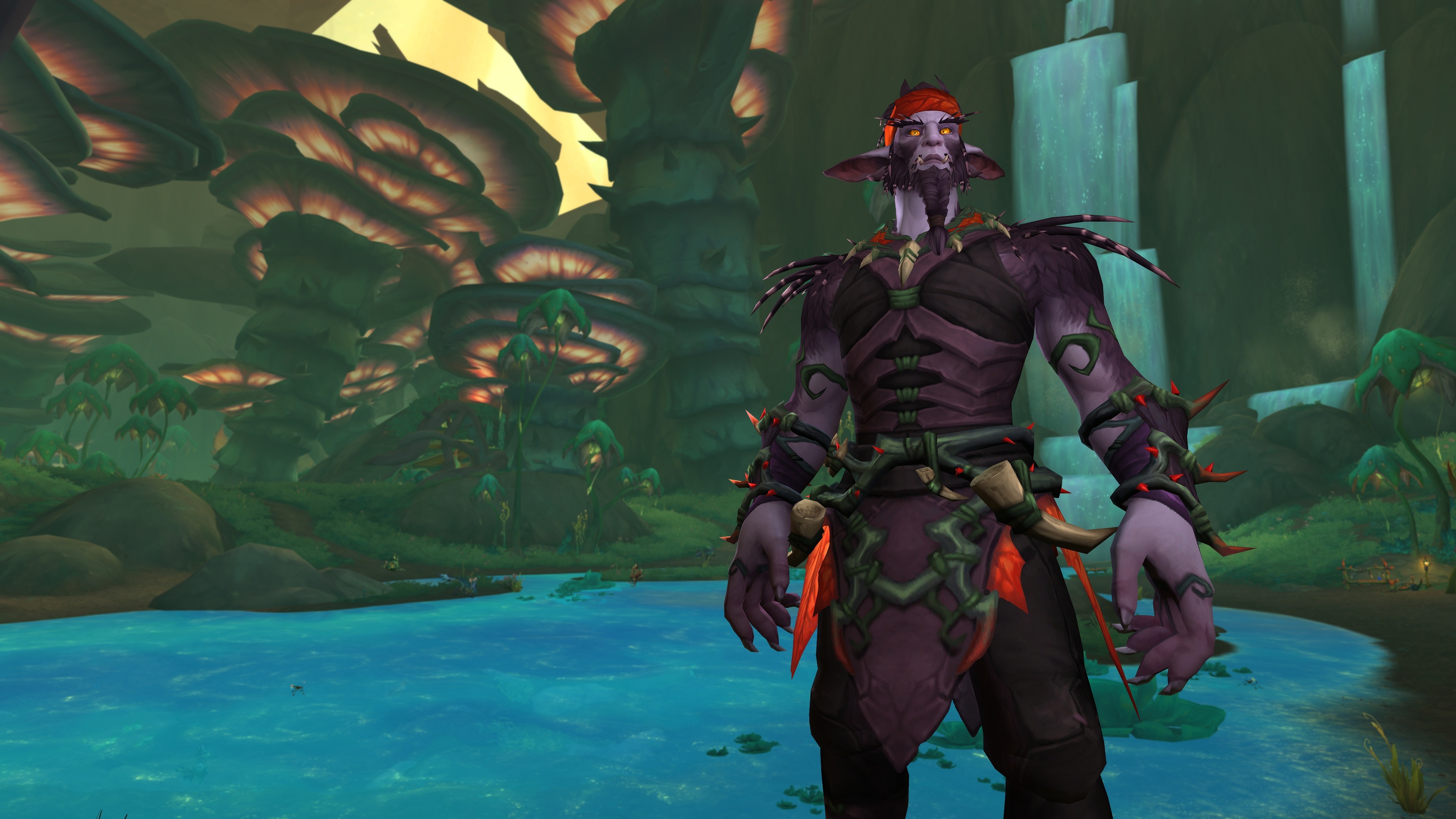
Midnight introduces the Haranir as a playable allied race – ancient hunters who have risen from Azeroth’s hidden depths to join the fight against the Void. First encountered briefly during The War Within, the Haranir take center stage in Harandar and can be unlocked by completing that zone’s main story campaign. Uniquely, the Haranir are a neutral allied race, meaning once unlocked, you can create Haranir characters for either Horde or Alliance. These people are enigmatic and reclusive, shaped literally and culturally by life beneath the world trees’ roots. They aren’t your typical elves or trolls – Haranir have an earthy, primeval look with bioluminescent markings on their skin and glowing eyes, giving them a haunting “living forest spirit” aesthetic. Their armor and buildings are grown from living wood, mushrooms and stone rather than forged, reflecting a symbiotic relationship with the natural (and somewhat fungal) world around them.
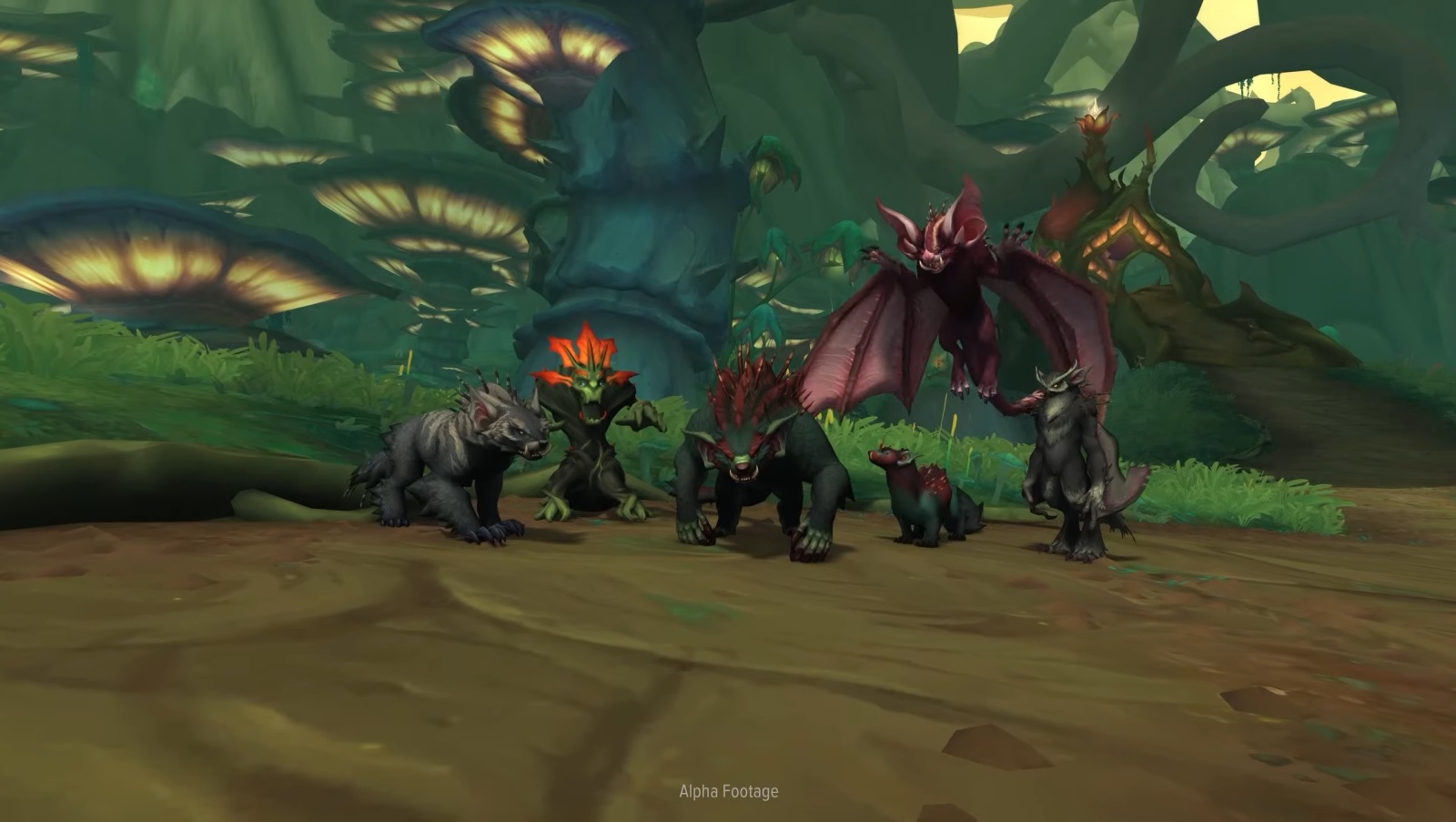
In terms of gameplay, the Haranir come with a robust set of options. They can play nine classes: Warrior, Hunter, Rogue, Priest, Shaman, Mage, Warlock, Monk, and Druid. Notably, as Druids they boast unique shapeshift forms inspired by their environment – expect some never-before-seen travel forms and spirit animals (werebears, lynxes, even an owl-like Moonkin form) that underscore their wild heritage:
Haranir characters start at level 10 and have their own intro experience in Harandar, after which they can choose a faction to ally with (much like Pandaren do). Visually, you can customize features such as bioluminescent tattoos, horn-like growths or bark-like skin textures, glowing fungal spore accessories, and more – allowing for very distinct appearances that set them apart from Azeroth’s other races.
Lore-wise, the Haranir are ancient protectors who once guarded secrets in the “Rootlands” beneath the world’s surface. In Midnight, they step forward as new allies after you prove yourself in Harandar. Their racial abilities and traits emphasize their primal bond: for example, early previews mention the ability to summon healing and damaging roots, bonus damage against aberrations (Void creatures), and an innate resistance to void corruption. They even have a nifty travel racial akin to the Dark Iron Dwarves’ mole machine: using the world tree roots, Haranir can fast-travel between certain locations. Overall, the Haranir bring a fresh fantasy vibe to WoW – a fusion of tribal elf and elemental creature – and many players are excited to embrace their ancient, nature-bound mystique on both factions.
Midnight roots you in Quel’Thalas and then pulls you in every direction at once. Silvermoon City is your rebuilt home base, a fully modern capital that feeds you into Harandar’s neon fungal underworld, the storm-wracked chaos of Voidstorm, the renewed golden groves of Eversong and the Sunwell, and a sprawling Zul’Aman turned full troll frontier. Together, these zones are Midnight’s real playground: one hub, four wildly different battlefields, all tied into the same war against the Void.
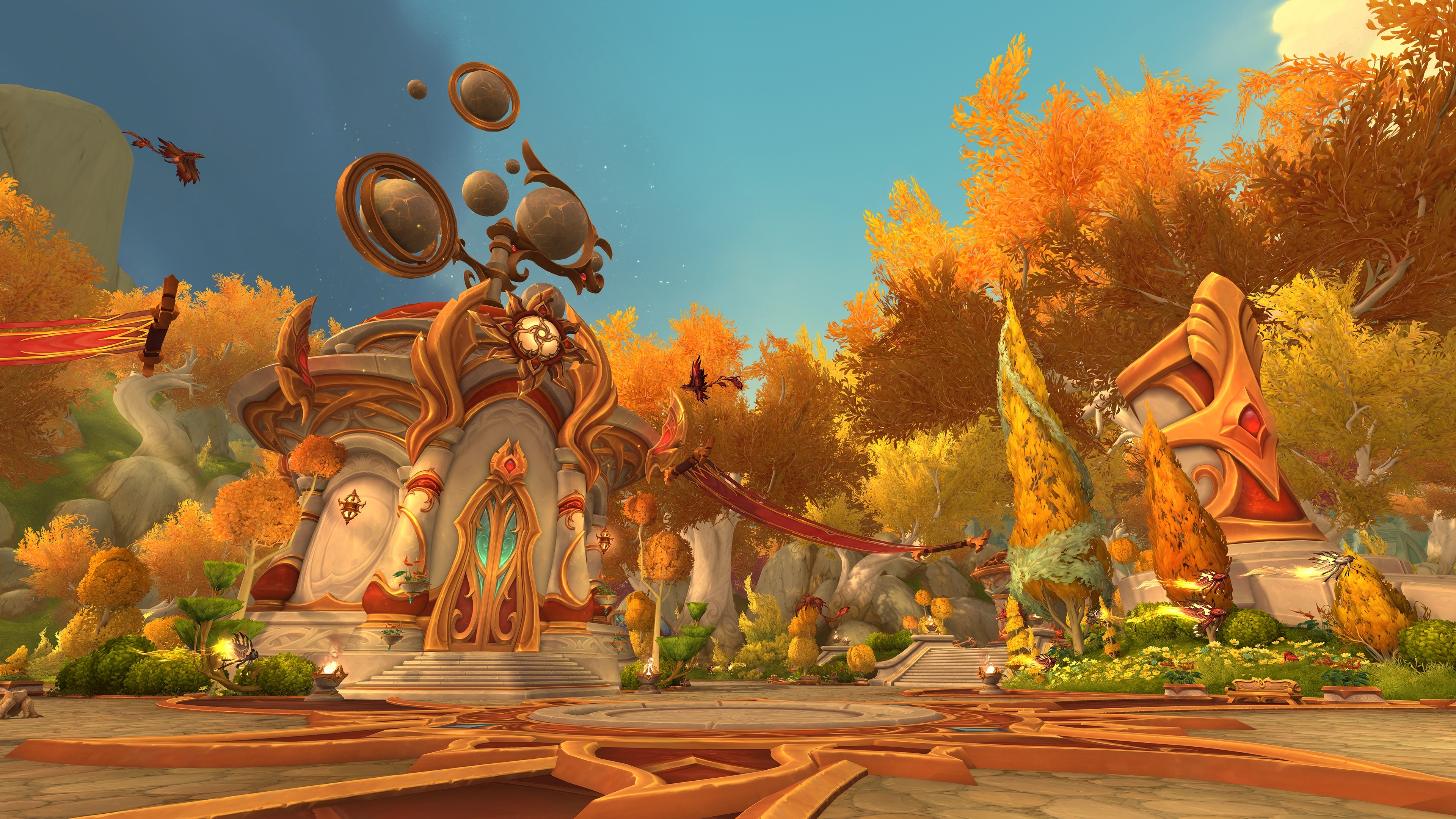
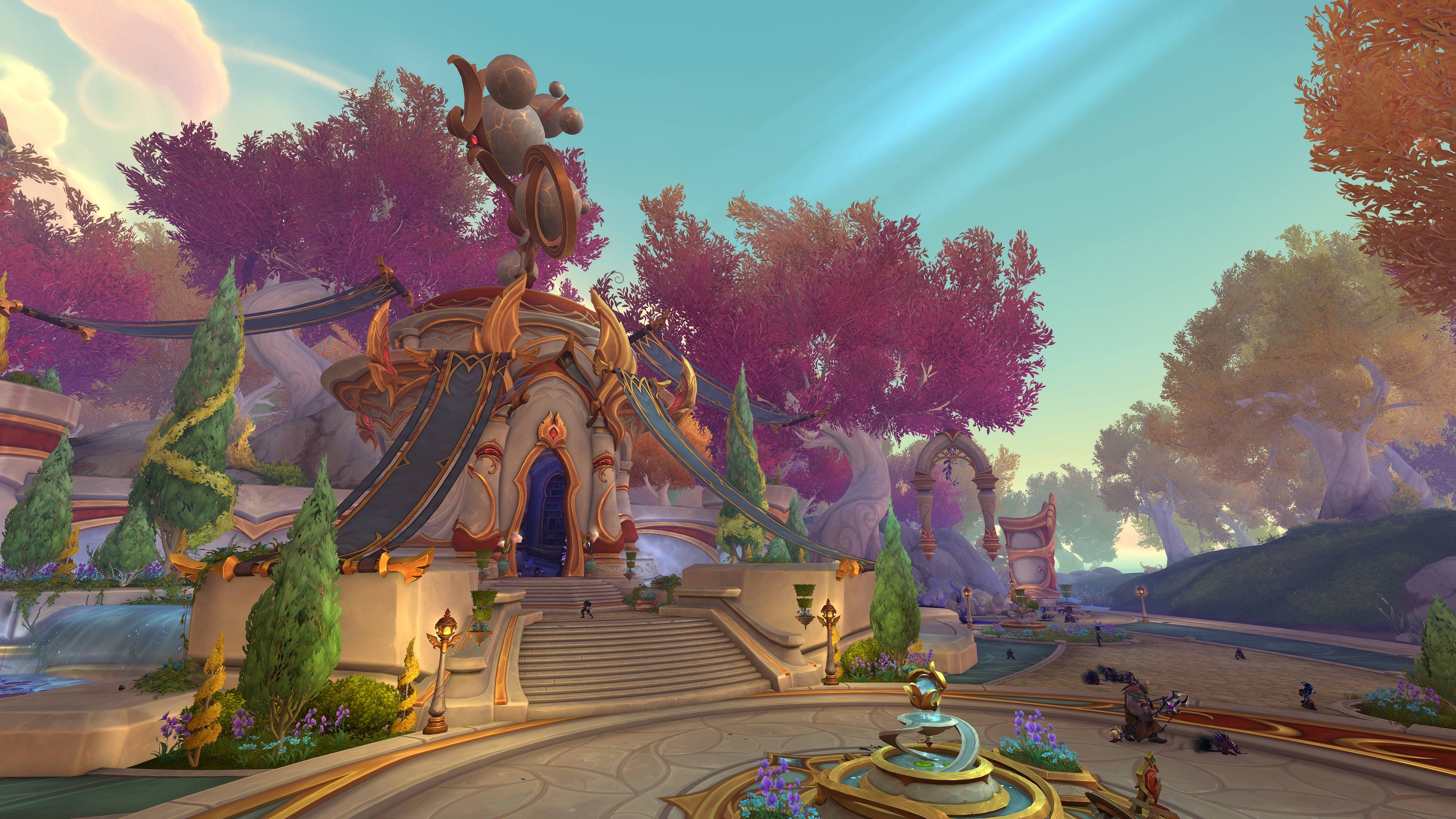
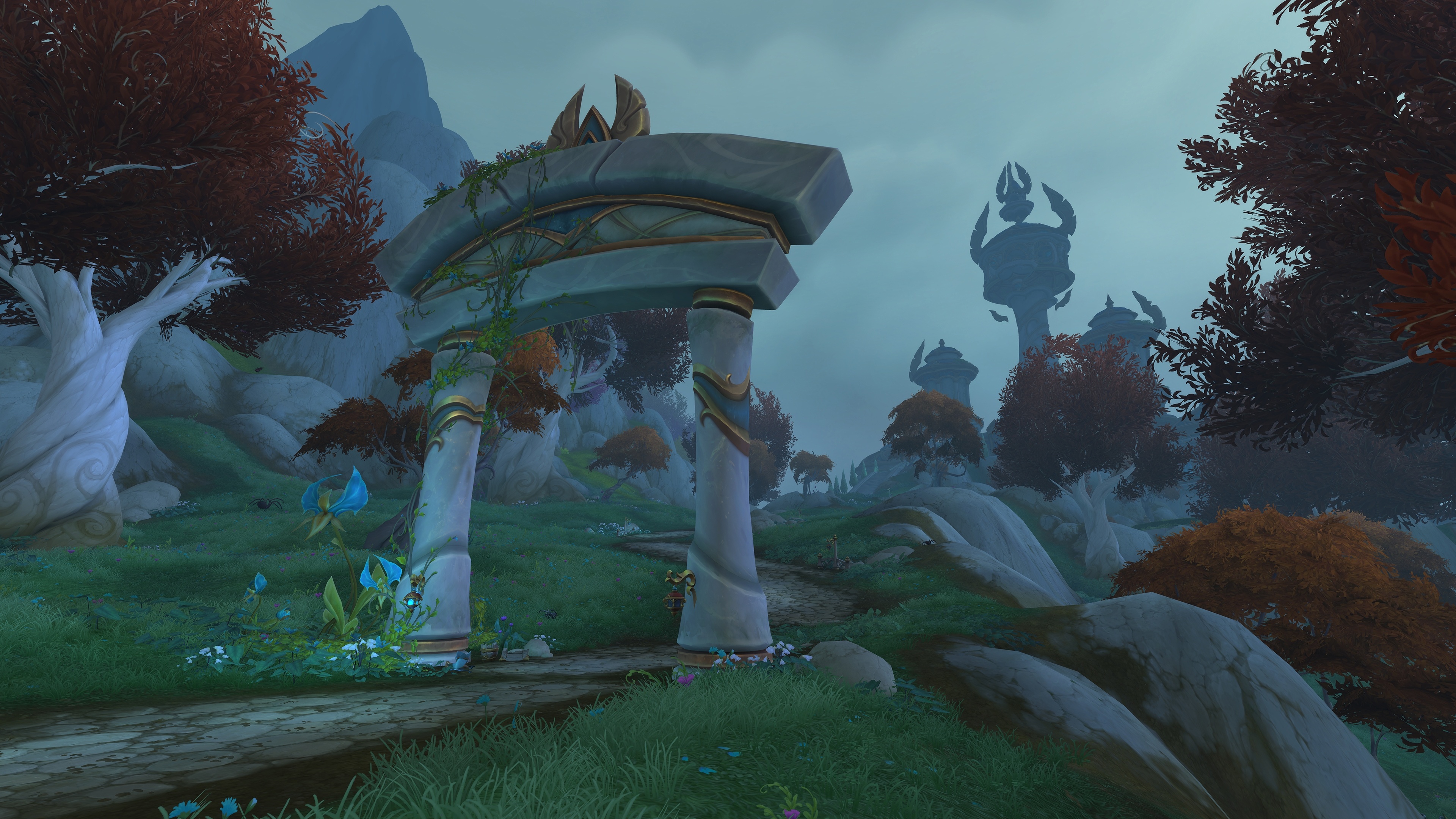
The journey begins in a reimagined Eversong Woods, heart of Quel’Thalas. This radiant woodland blends eternal spring and autumn hues, with Silvermoon City at its center as a bustling player hub. The land, long healed from Arthas’s Scourge, brims with life and elven grandeur once more. Yet darkness encroaches: Midnight’s opening campaign has players defending the Sunwell against the Void god Xal’atath’s onslaught.
Eversong’s quests and events reflect this clash of light and shadow. You’ll fend off invading Void forces and zealous cultists, contain a rampant magical overgrowth called the Lightbloom, and confront the resurgence of Amani trolls at the borders. One notable local activity is Silvermoon Court, a public event that evokes Burning Crusade’s Aldor vs. Scryer dilemma – players balance reputation between four military factions through weekly trials, earning cosmetic rewards for each path. With its majestically updated visuals and renewed purpose, Quel’Thalas in Midnight feels both nostalgic and novel – a place of serene golden woods under threat by encroaching void, where brave adventurers rally to protect the Sunwell Plateau once more.
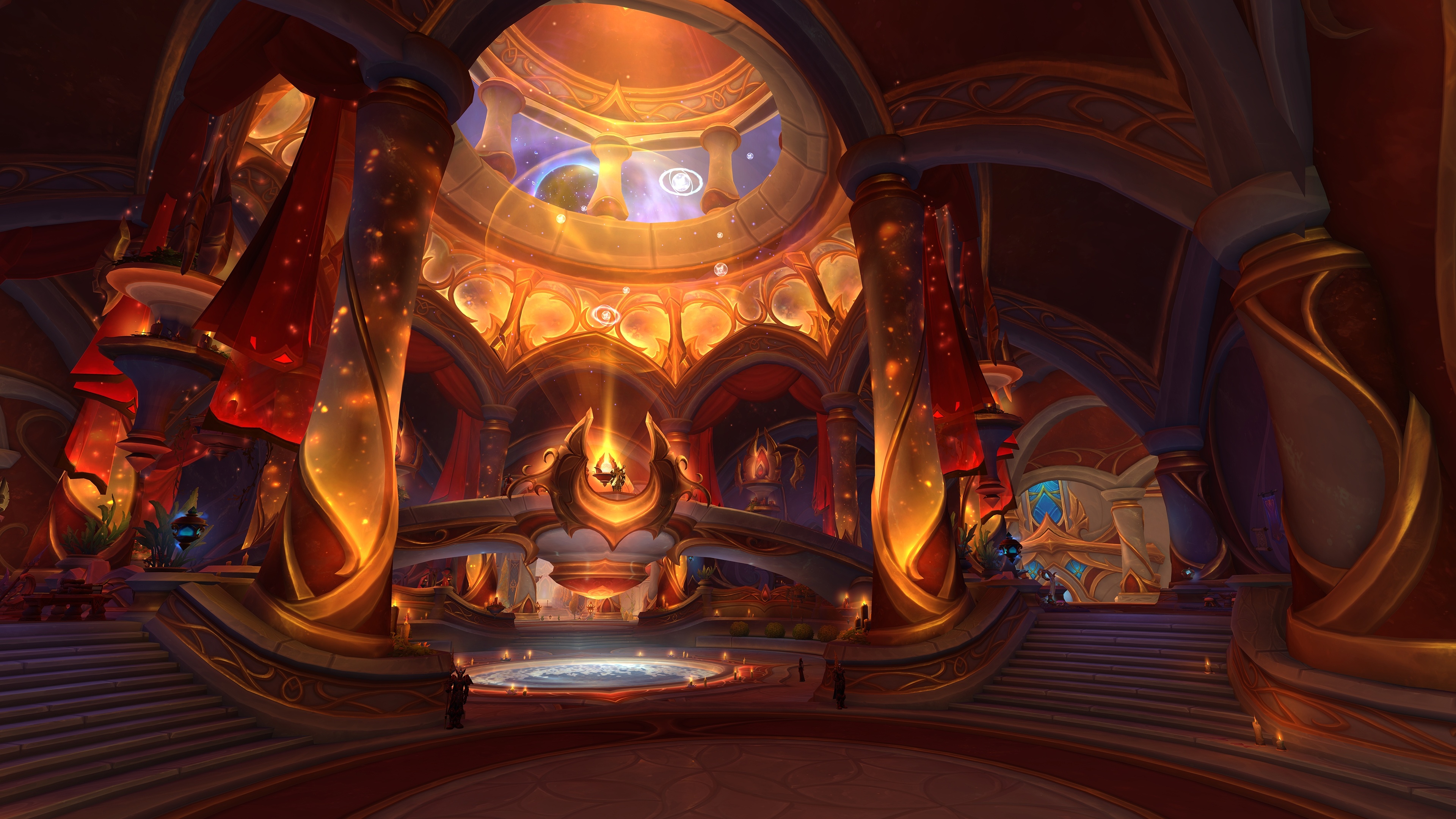
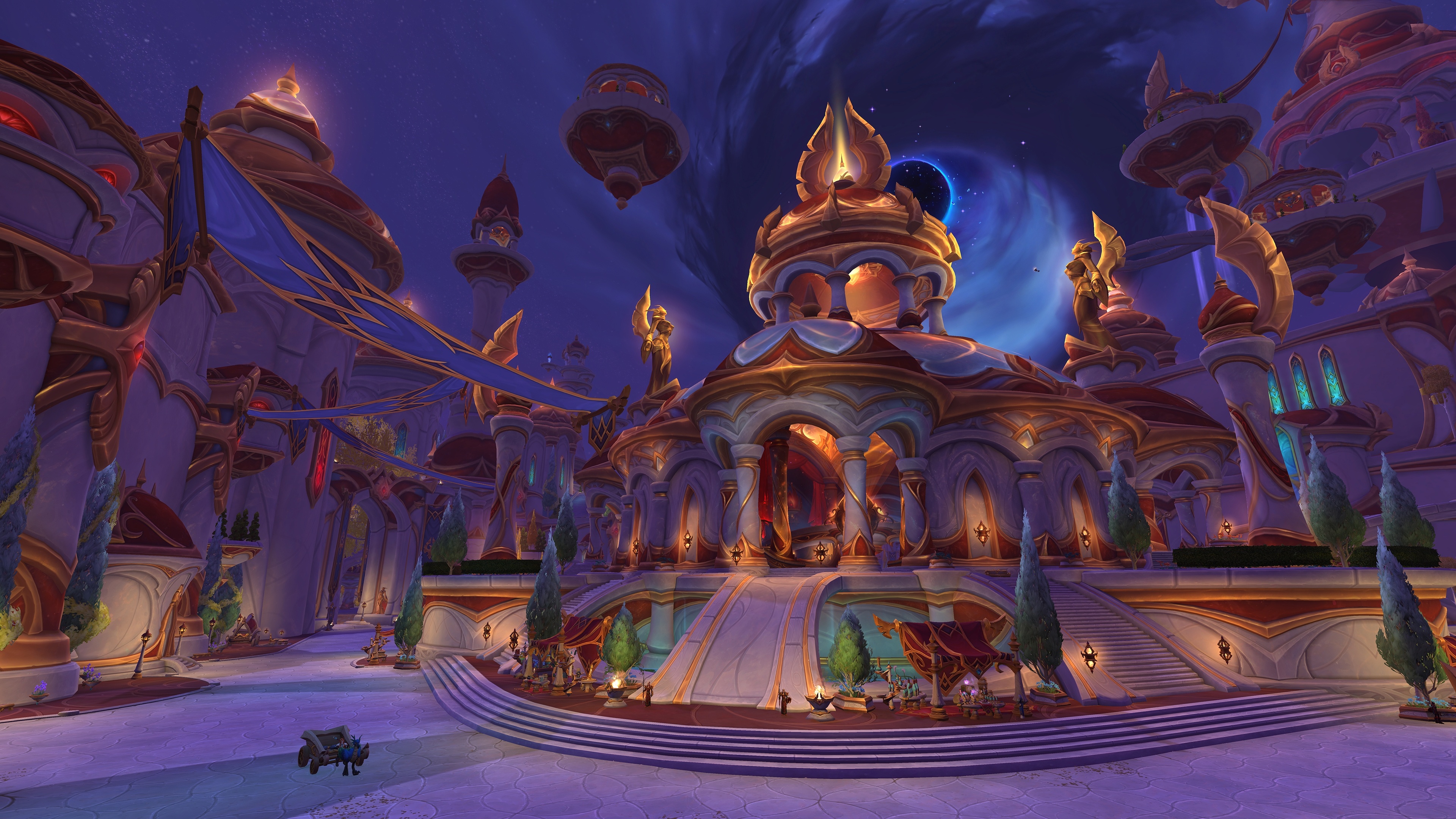
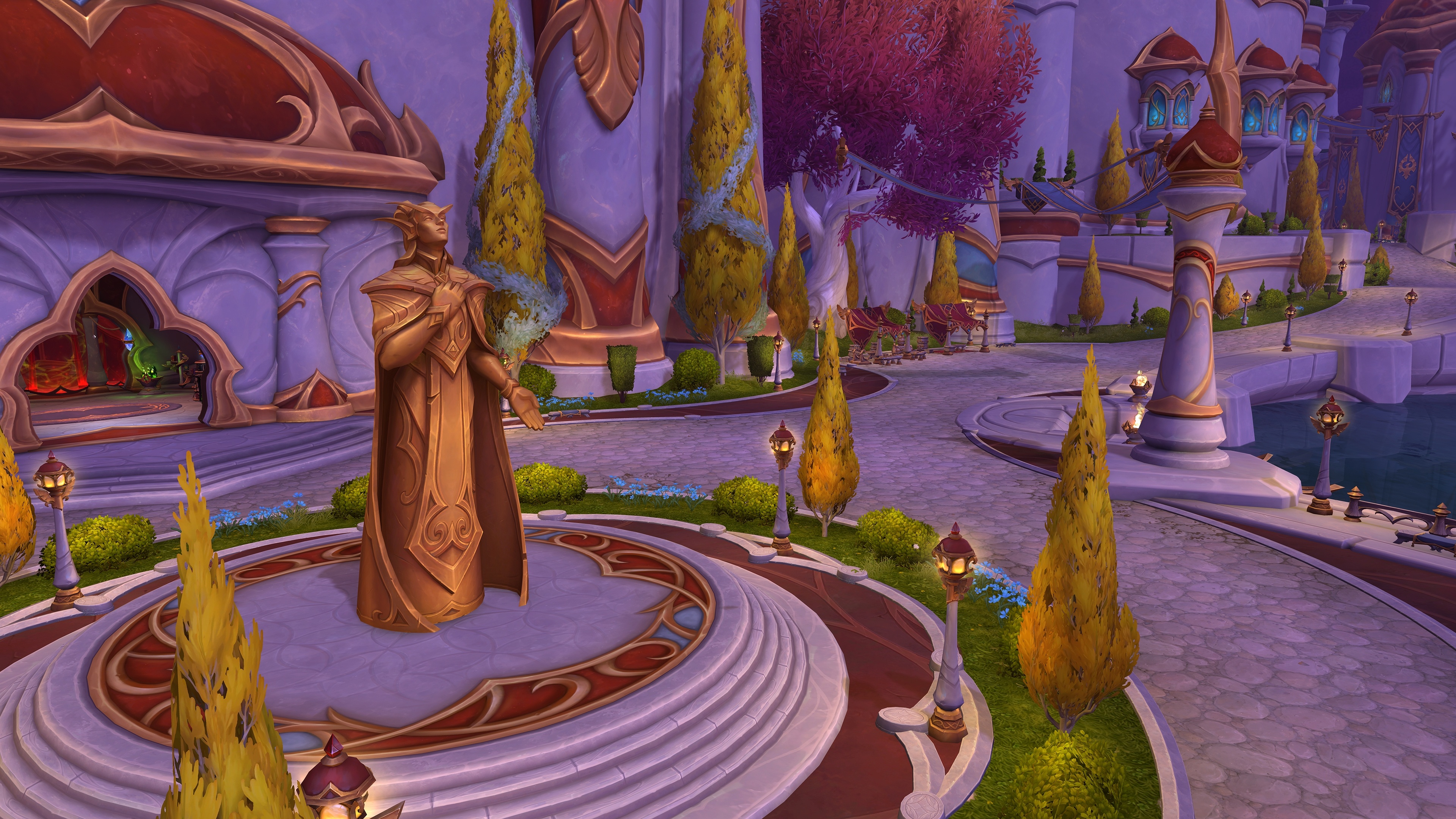
Though part of Eversong Woods, Silvermoon City deserves special mention as Midnight’s new player hub. The jewel of blood elf civilization has been completely reimagined with updated architecture and detail. Its spires and courtyards shine as they did in their prime, now enhanced with modern graphics and conveniences.
Players of both factions will find sanctuary here – Horde characters call it home, and Alliance travelers (under peace ties) can visit via a neutral embassy district. Silvermoon offers all the amenities of a capital: banks, portals, profession hubs, and gathering places beneath its glittering fel-green crystals and golden rooftops. The city streets, once scarred by war, are safe again – though Alliance adventurers should mind that some outlying quarters remain off-limits or hostile due to lingering distrust. New touches abound: a bustling Bazaar full of vendors and quest-givers, a renovated Walk of Elders leading to the Sunfury Spire where Lor’themar and the blood elf leadership coordinate the war effort, and Murder Row now hosts Astalor’s Prey hunting lodge. Silvermoon’s layout has also been adjusted for easier navigation, and its gorgeous visuals truly make it a showpiece city in Midnight.
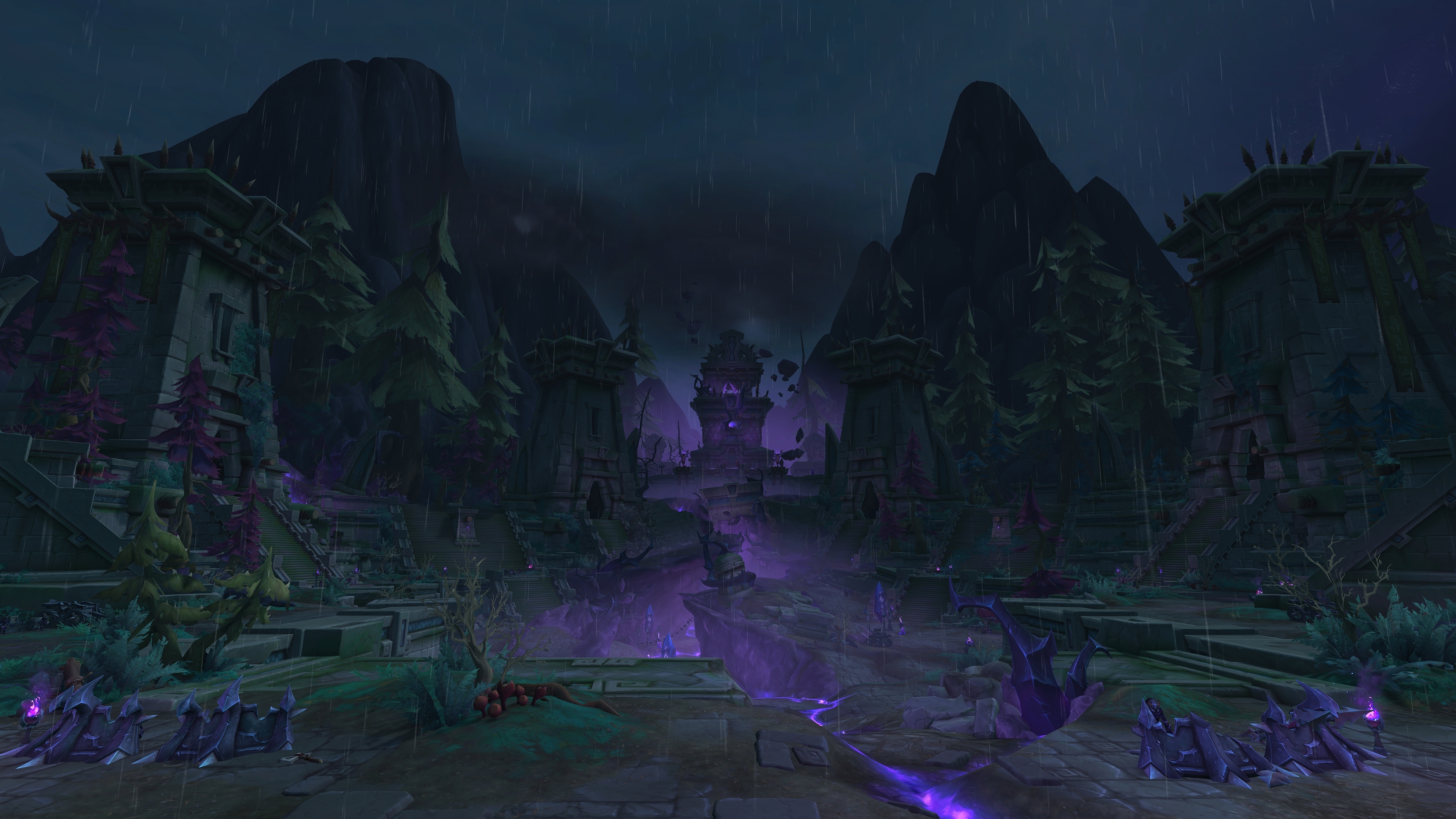
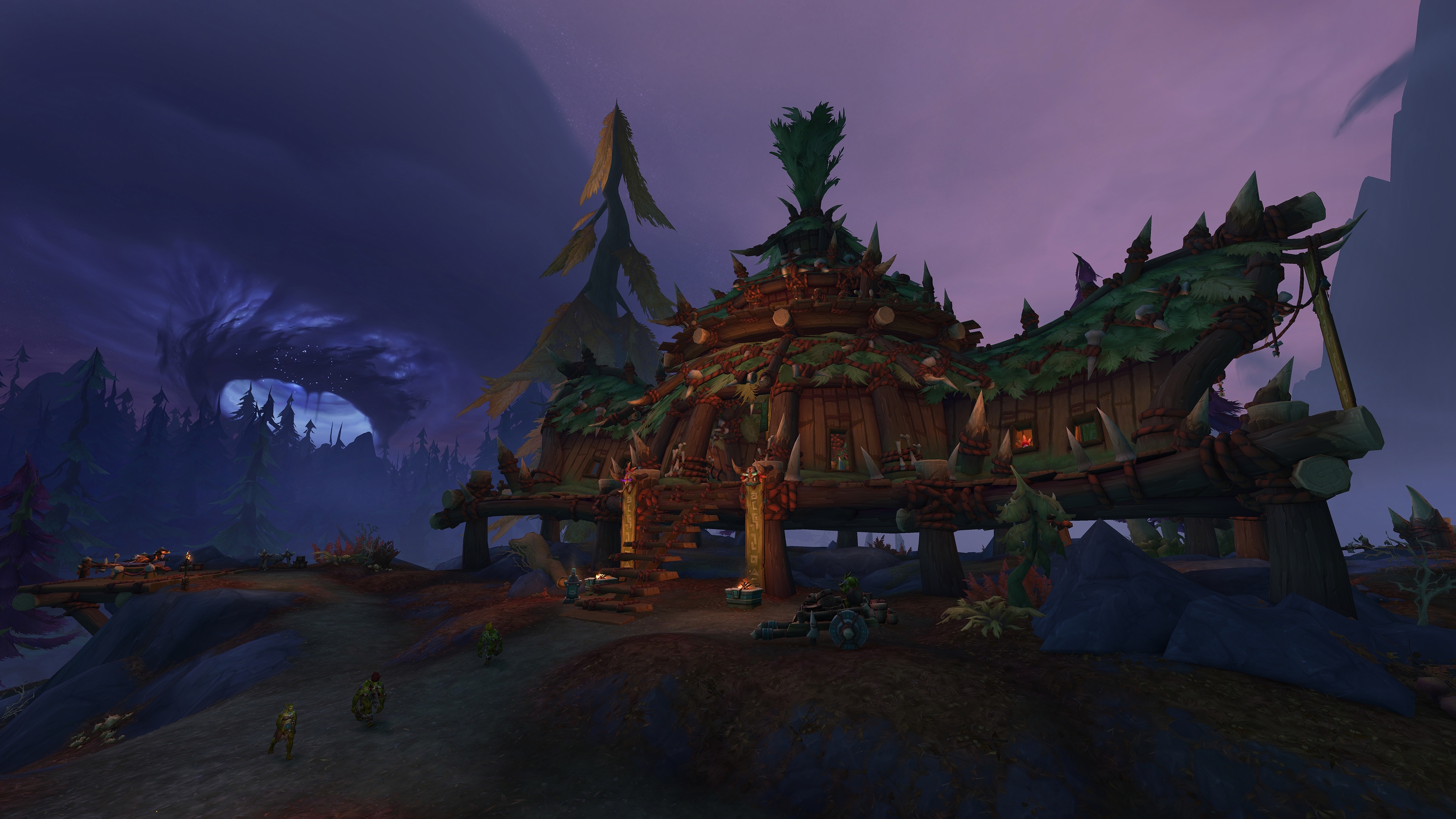
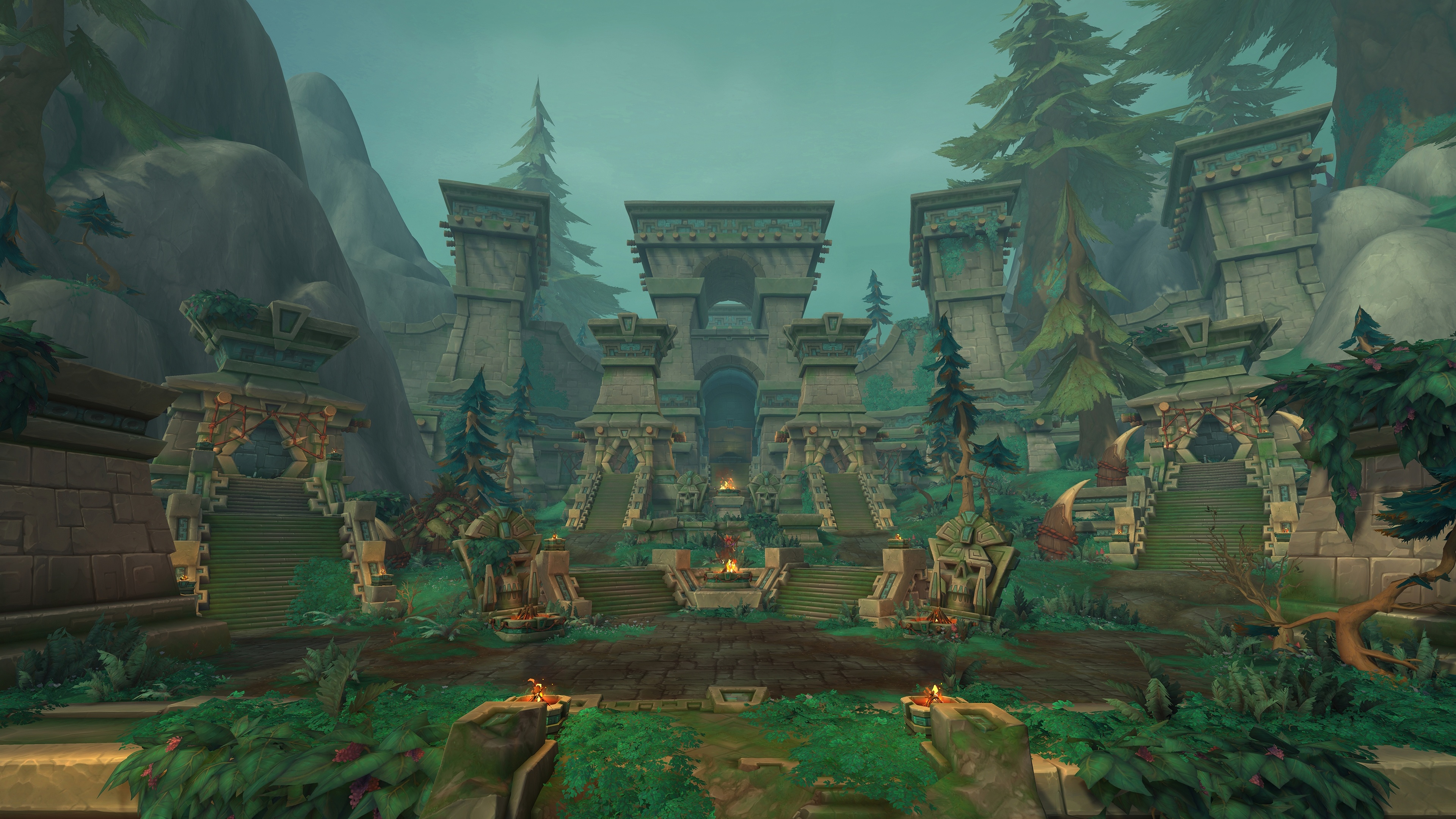
In Midnight, Zul’Aman expands from a raid instance into a sprawling temperate rainforest zone. This land of ancient forests and misty mountains is fiercely guarded by the Amani and their sibling forest troll tribes. At its heart stands Atal’Aman, the fully rebuilt capital that was once the site of Zul’jin’s defeat. Adventurers will immerse themselves in troll culture and the simmering conflict between the trolls and blood elves. Four Loa temple sites – honoring the Eagle, Lynx, Dragonhawk, and Bear – dominate the landscape, each crawling with wildlife and troll mystics. The new Amani leadership, twins Zul’jarra and Zul’jan (grandchildren of Zul’jin), are wary allies; players must earn their trust while uncovering a decades-old mystery of the missing Loa gods of Zul’Aman.
Unique events here include Abundance, a fast-paced gathering frenzy where players harvest enchanted flora for the Loa of Abundance, supercharged by buffs; this professions-themed event even pops up in other zones as hidden “Abundance” caves. Zul’Aman’s untamed jungles and mighty stone ruins offer an atmospheric adventure rife with tribal lore, as the Amani Empire grapples with the encroaching Void and the renewed alliance of their elven enemies.
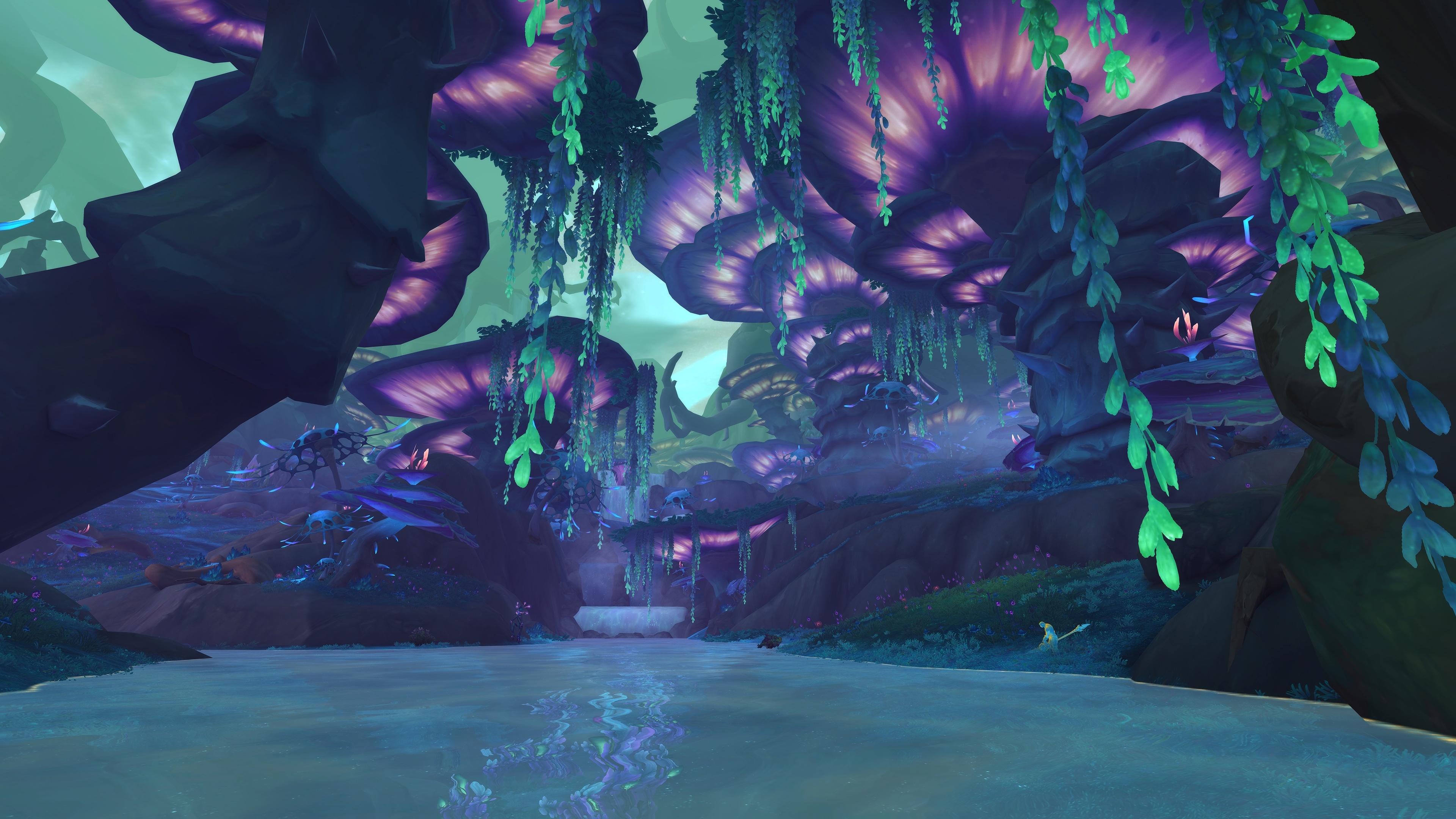
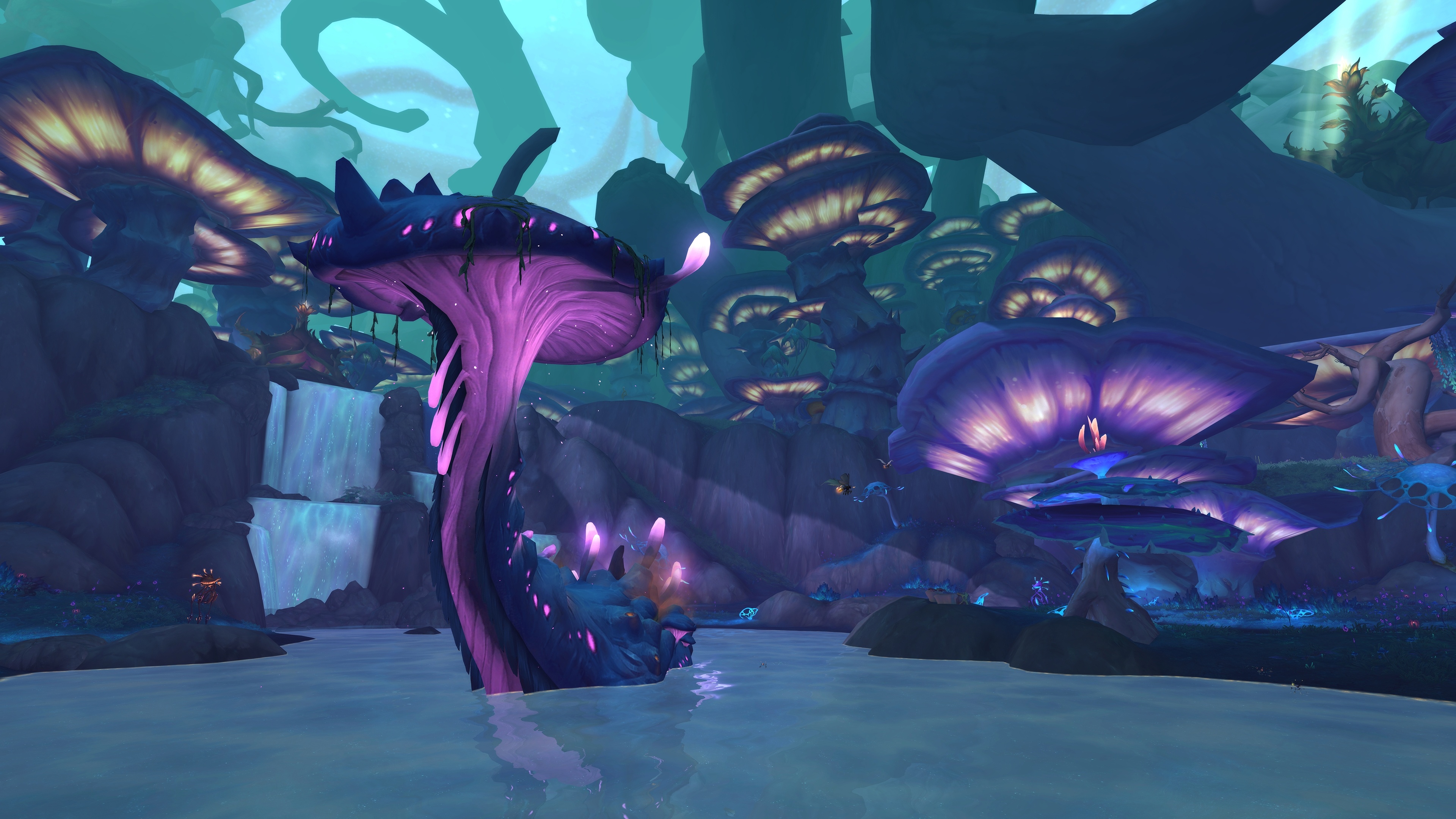
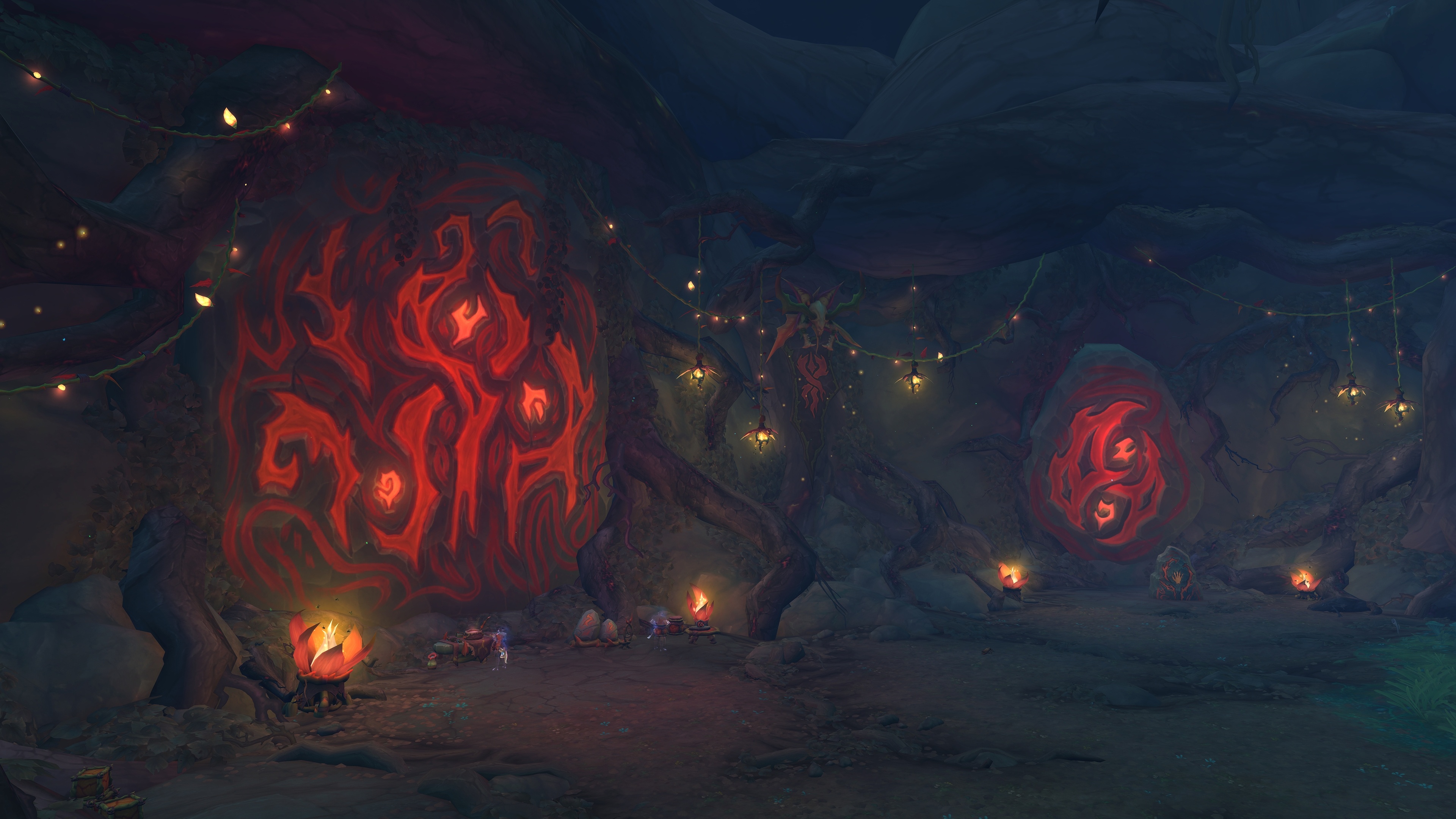
Harandar is a primordial fungal jungle nestled around the colossal roots of Azeroth’s world trees. Glowing mushrooms tower like trees, and mossy bridges span the verdant undergrowth. This otherworldly subterranean realm is the homeland of the Haranir people – Midnight’s new allied race.
Adventurers who delve into Harandar will discover an ecosystem where homes and structures are grown from living roots and luminescent flora, casting an emerald and violet glow across the night. The zone’s story invites you to earn the trust of the reclusive Haranir by exploring their culture and combating threats in the deep. Harandar features hidden treasures in bioluminescent caves, aggressive spore-beasts, and revelations about the Haranir’s mysterious goddess. Proving yourself in this beautiful, glowing wilderness will ultimately allow you to unlock the Haranir as a playable race by the zone’s end. Harandar’s ambiance is like a living dream – a dark, lush underworld forest illuminated by neon fauna, equal parts tranquil and menacing.
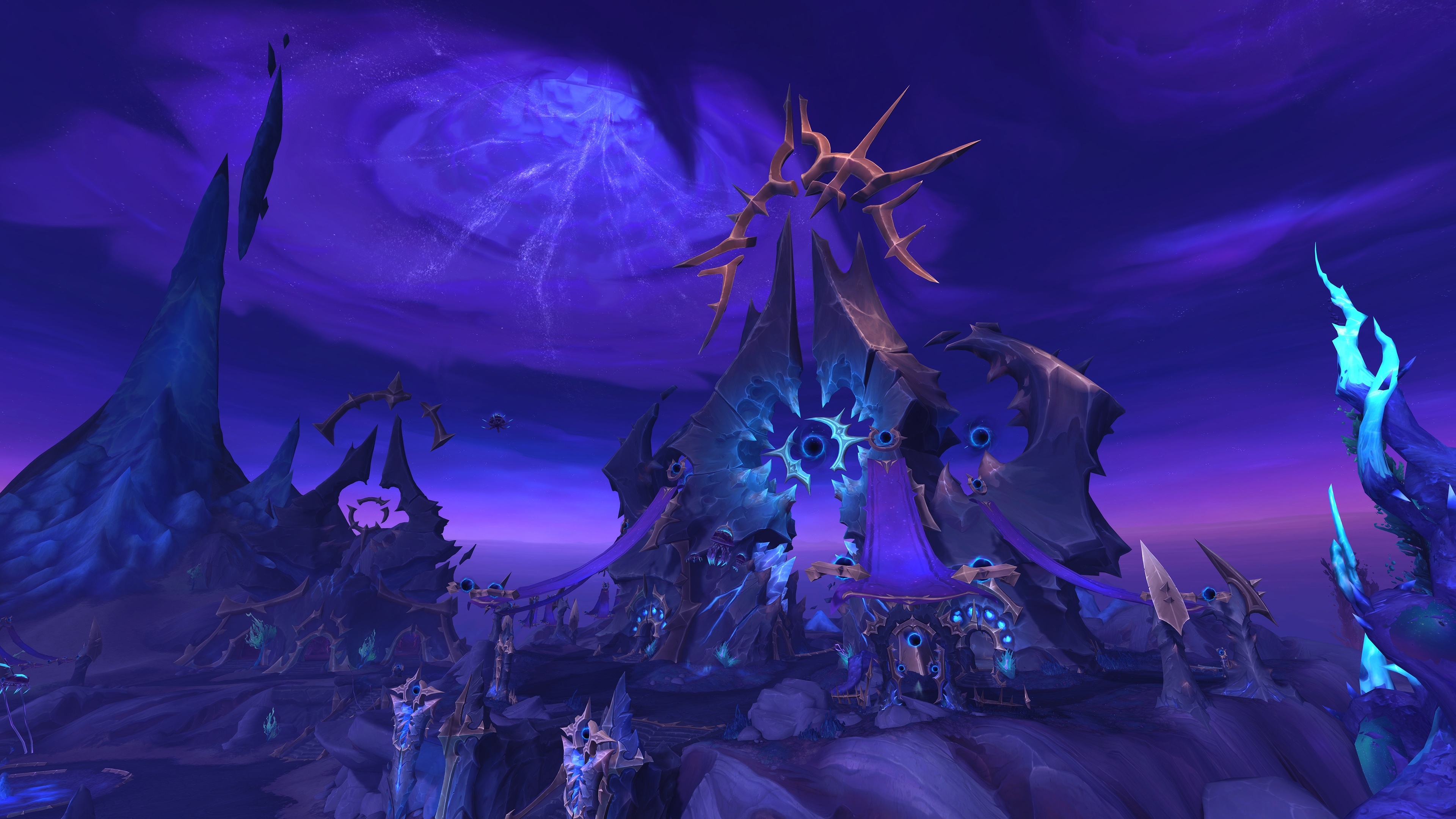
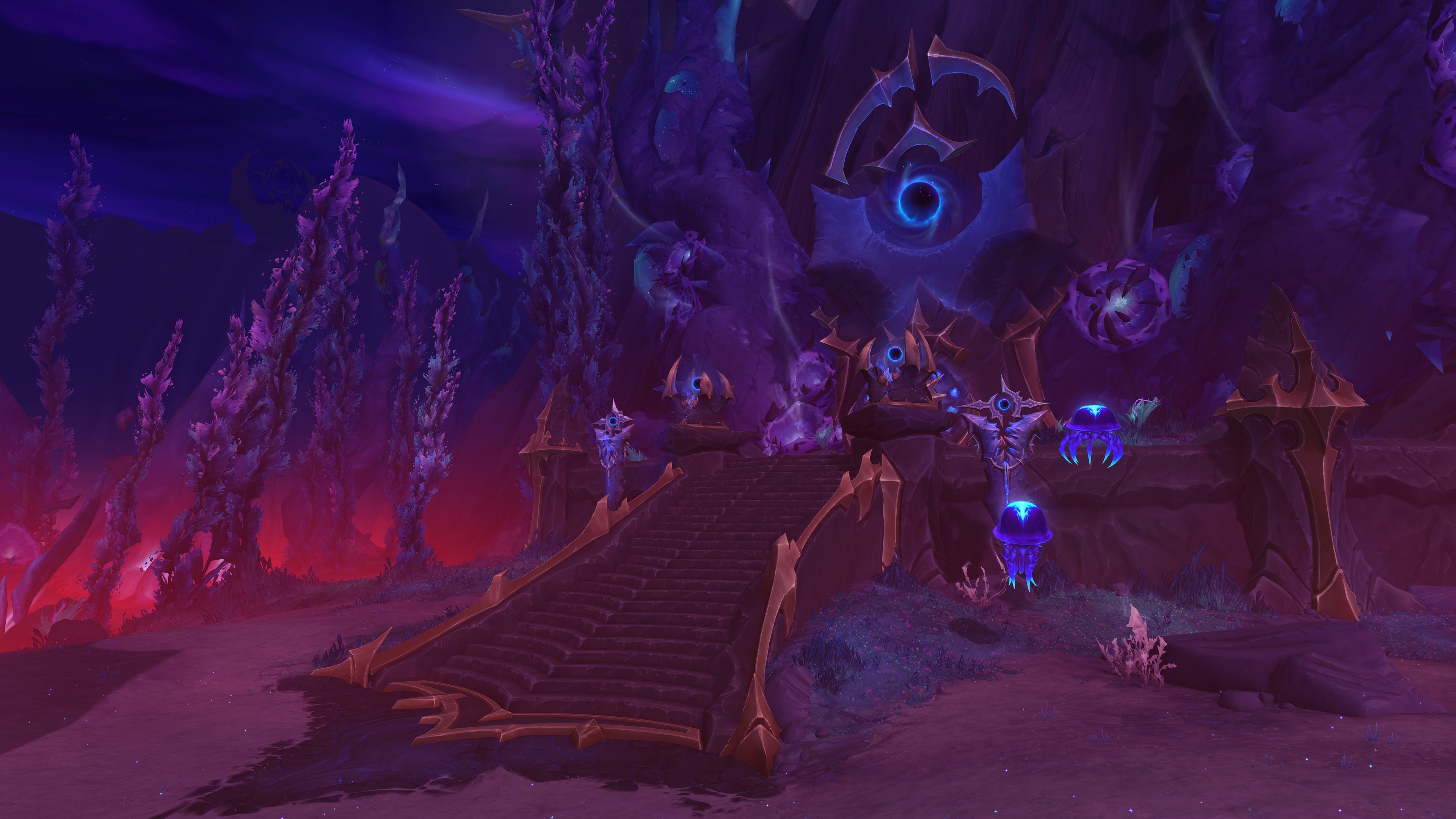
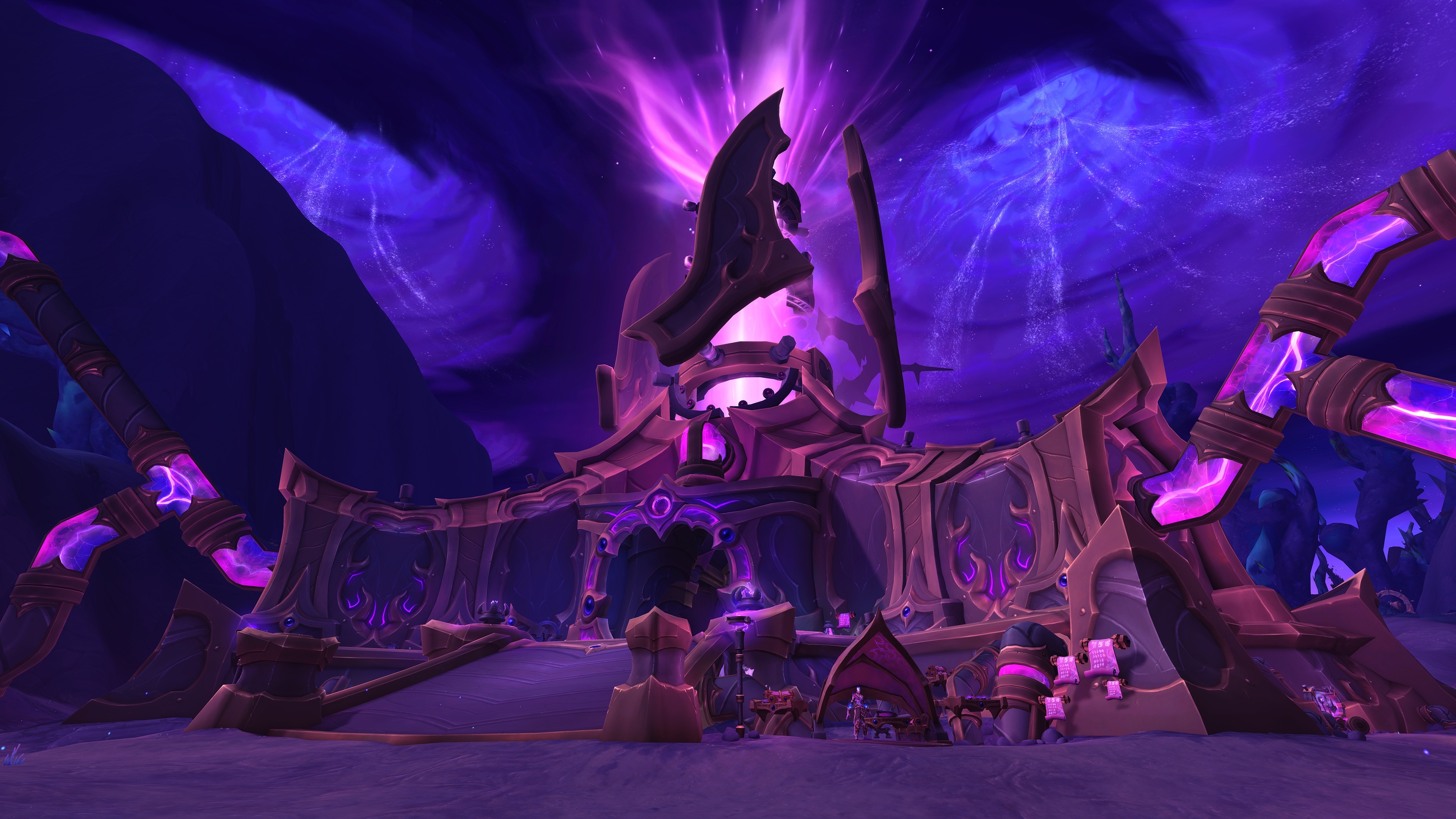
Voidstorm is an entirely new zone drenched in chaotic Void energy. It looms over the skies of Quel’Thalas as a raging eternal tempest of darkness. Within this shattered landscape, deep void-scarred gorges crackle with power and towering Nexus-Points siphon void energy from the land. Here, Xal’atath has established her stronghold and marshals her voidborn legions. Adventurers will battle through surreal, ominous terrain – think floating rocks, inky purple storm clouds, and fragments of reality twisting underfoot.
Not all is hostile, however: Void elves make camp here too, working alongside the Alliance and Horde to study and contain the Voidstorm’s power. Key locations include the Voidscar Arena and Nexus-Point Xenas – both of which double as new max-level dungeons – where the void’s influence runs rampant. In world content, players will assist the void elves in initiatives like Stormarion Assault, a base-defense scenario where you guard void elf magi as they try to cleanse a Void-corrupted citadel by anchoring a singularity. The zone culminates in breaching The Voidspire raid to confront Xal’atath’s lieutenants. Traversing Voidstorm feels like walking into a cosmic cataclysm; it’s an endgame zone of constant conflict, where the Void itself fights back and only the boldest heroes can hope to prevail.
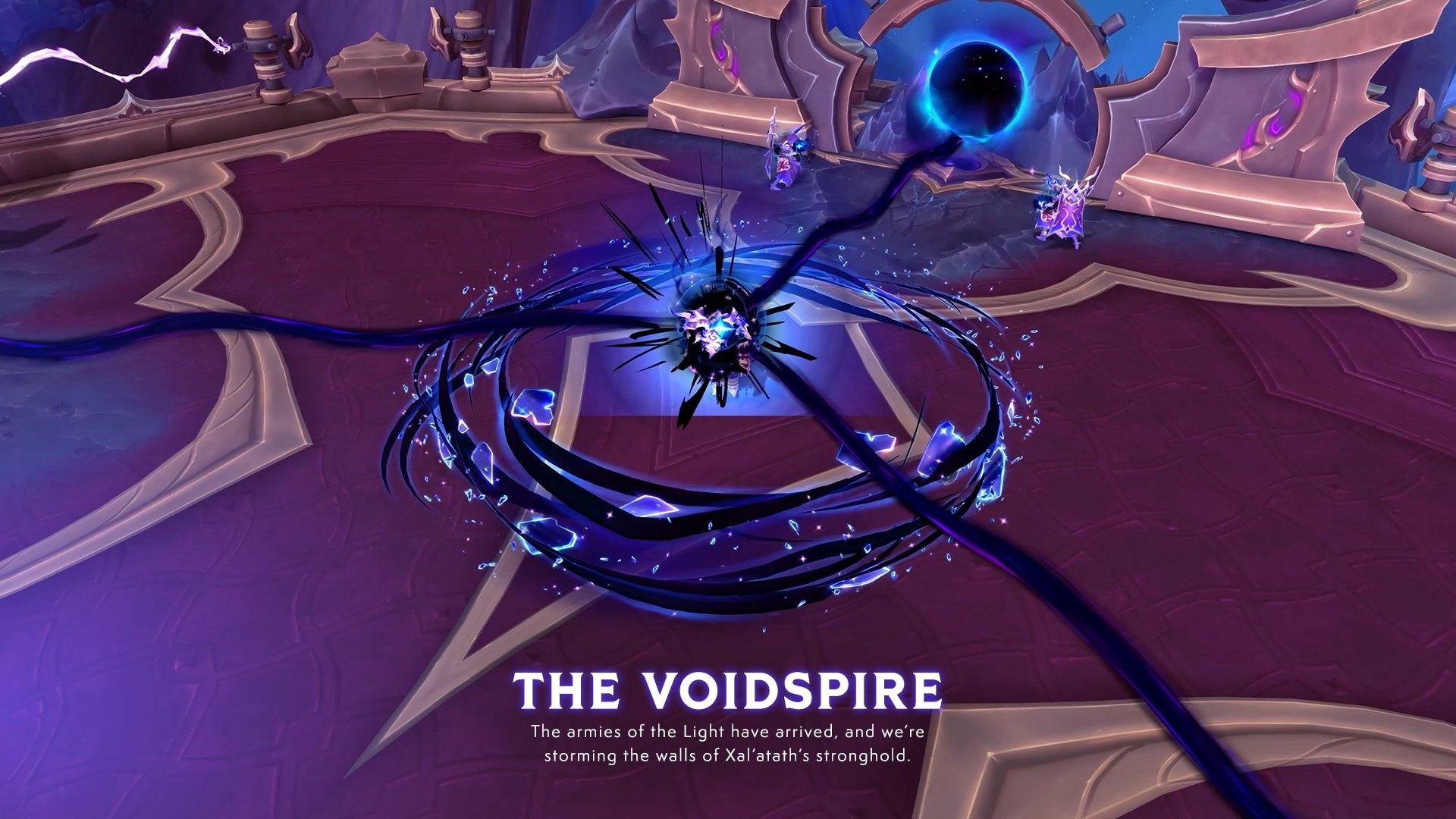
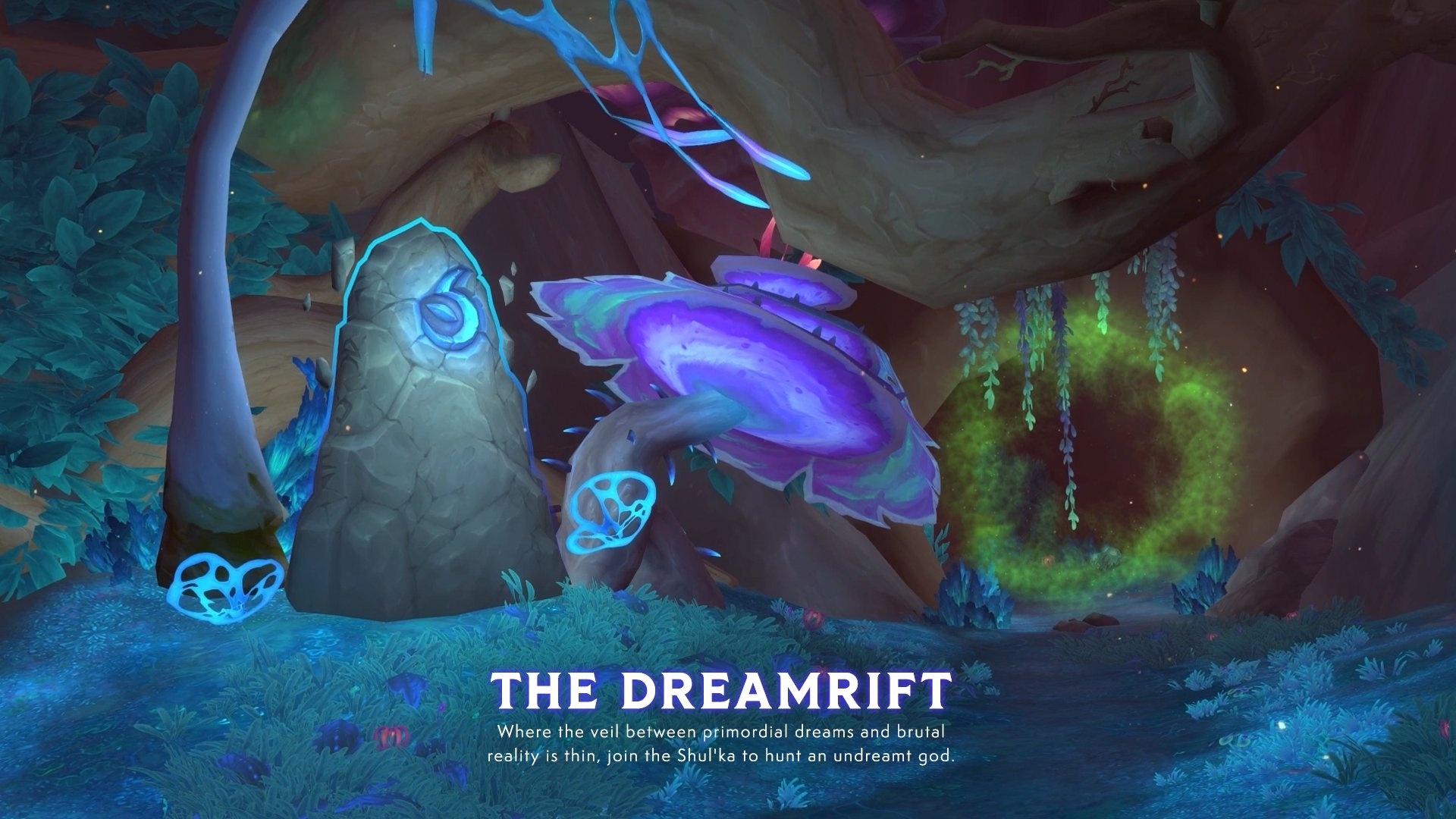

Midnight launches with three distinct raids (totaling 9 bosses) in its first season. Each raid tells a piece of the expansion’s climactic storyline, and they vary in size and style to offer a diverse raiding experience:
Each raid will offer unique gear and tier set pieces, and they collectively ensure a mix of raid content to start the new expansion – from big traditional raid gauntlets to single-boss set pieces. Whether you’re climbing the Voidspire’s heights, delving into dream realms, or storming Quel’Danas with an army at your back, Midnight’s raids promise memorable moments and challenges!
Midnight also launches with eight new dungeons, split evenly between the leveling experience and max-level endgame. These dungeons take players through a variety of locales – from iconic sites in Quel’Thalas history to brand new realms touched by the Void:
| Level-up Dungeons | Max-level Dungeons |
| Windrunner Spire | Maisara Caverns |
| Magister's Terrace | The Blinding Vale |
| Murder Row | Voidscar Arena |
| Den of Nalorakk | Nexus Point Xenas |
Level-up Dungeons: Windrunner Spire, Magister’s Terrace, Murder Row, and Den of Nalorakk. These four are woven into the leveling story, letting players revisit or uncover key story moments. For example, Windrunner Spire delves into the Ghostlands estate of the Windrunner family (haunted by shadows of the past), Magister’s Terrace returns as a revamped dungeon on the Isle of Quel’Danas where fel energies and void remnants clash, Murder Row takes the form of a gritty urban crawl through Silvermoon’s underbelly, and Den of Nalorakk plunges deep into Zul’Aman’s bear loa sanctuary where an ancient evil stirs. Each of these leveling dungeons enriches its zone’s narrative while providing exciting boss encounters for players progressing toward the cap.
Max-Level Dungeons: Maisara Caverns, The Blinding Vale, Nexus-Point Xenas, and Voidscar Arena. These four dungeons open at max level and present new challenges. Maisara Caverns (hidden beneath Zul’Aman’s mountains) has players navigate luminous caves blessed by the Loa of Abundance – a treasure-filled romp with a deadly troll sorceress boss. The Blinding Vale lies in Harandar, a hazy valley of bioluminescent fungi where players face facsimiles of the jungle’s most dangerous creatures. Nexus-Point Xenas is set amid a towering conduit in Voidstorm – a surreal siege on a Titan-forged nexus now corrupted by void, where players race to shut down a world-rending portal. Voidscar Arena pits heroes against waves of Xal’atath’s twisted champions in a gladiatorial setting deep in the Voidstorm; survive the onslaught to challenge a voidbeast of monstrous proportions.
Each dungeon offers unique environments and mechanics, ensuring a diverse array of challenges up through Mythic difficulty.

Delves – WoW’s evolving spin on small-group instanced content – receive 11 new scenarios in Midnight, with a big twist: a new companion character joins you on these adventures. Famed Blood Elf rogue Valeera Sanguinar will accompany players through the Delves, taking over the guide role previously held by Brann Bronzebeard. Valeera brings her deadly finesse and lore insights to assist in these mini-dungeons, which range from puzzle explorations to combat challenges. Each Delve is tied to one of the expansion’s zones or storylines, offering bite-sized lore and rewards off the beaten path.
The 11 new Delve locations in Midnight are spread across the four zones:
Each Delve presents a unique self-contained story and gameplay hook, ideal for solo or small-group play. With Valeera at your side (bringing stealth and combat expertise), delving feels more dynamic and story-driven. These adventures also offer meaningful rewards – from collectibles and achievements to bits of gear and housing decorations – making them well worth exploring between dungeon and raid nights.

Alongside new content, Midnight brings a plethora of UI updates and QoL improvements to streamline gameplay for everyone. Blizzard’s aim is to make the game more approachable (especially given addon restrictions in some content) while maintaining depth. Here are some of the major improvements:
To sum up, the UI/QoL enhancements in Midnight aim to declutter the WoW experience and provide built-in guidance, all while preserving customization. Whether you’re a new player learning your rotation through the Combat Assistant, a veteran repositioning your UI just so, or someone who prefers not to rely on dozens of addons, these changes ensure Azeroth’s adventures are presented in the best light.
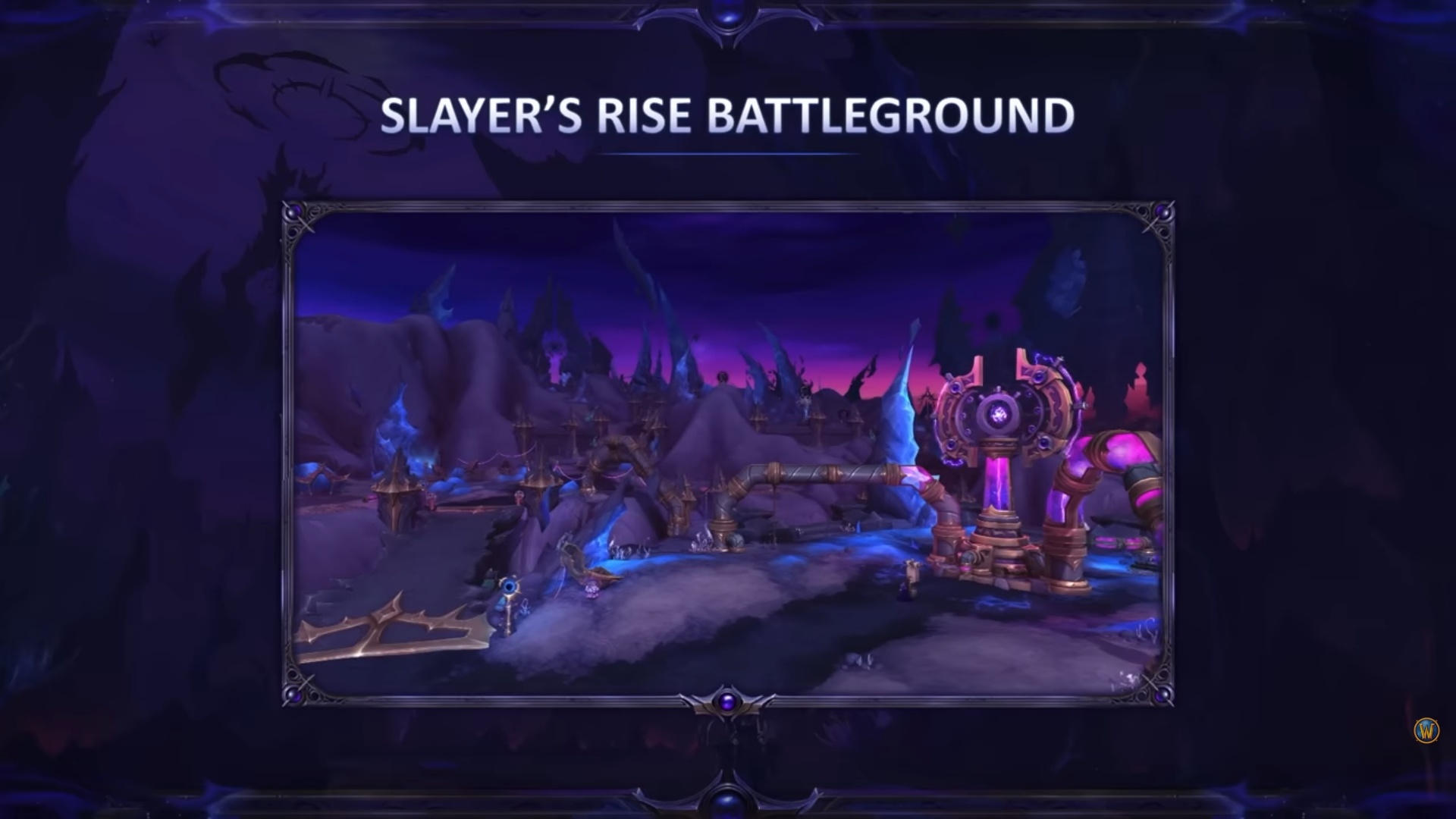
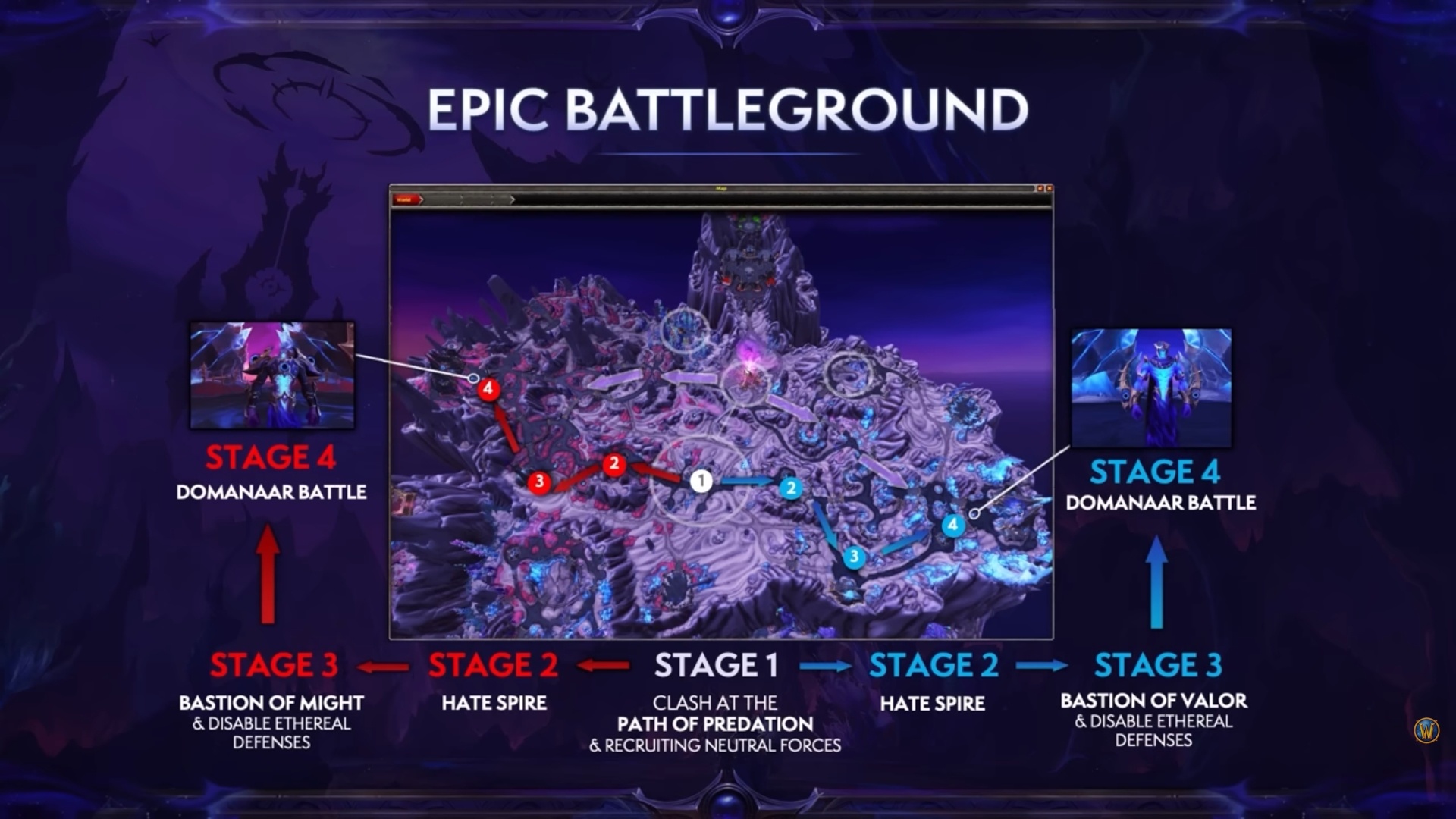
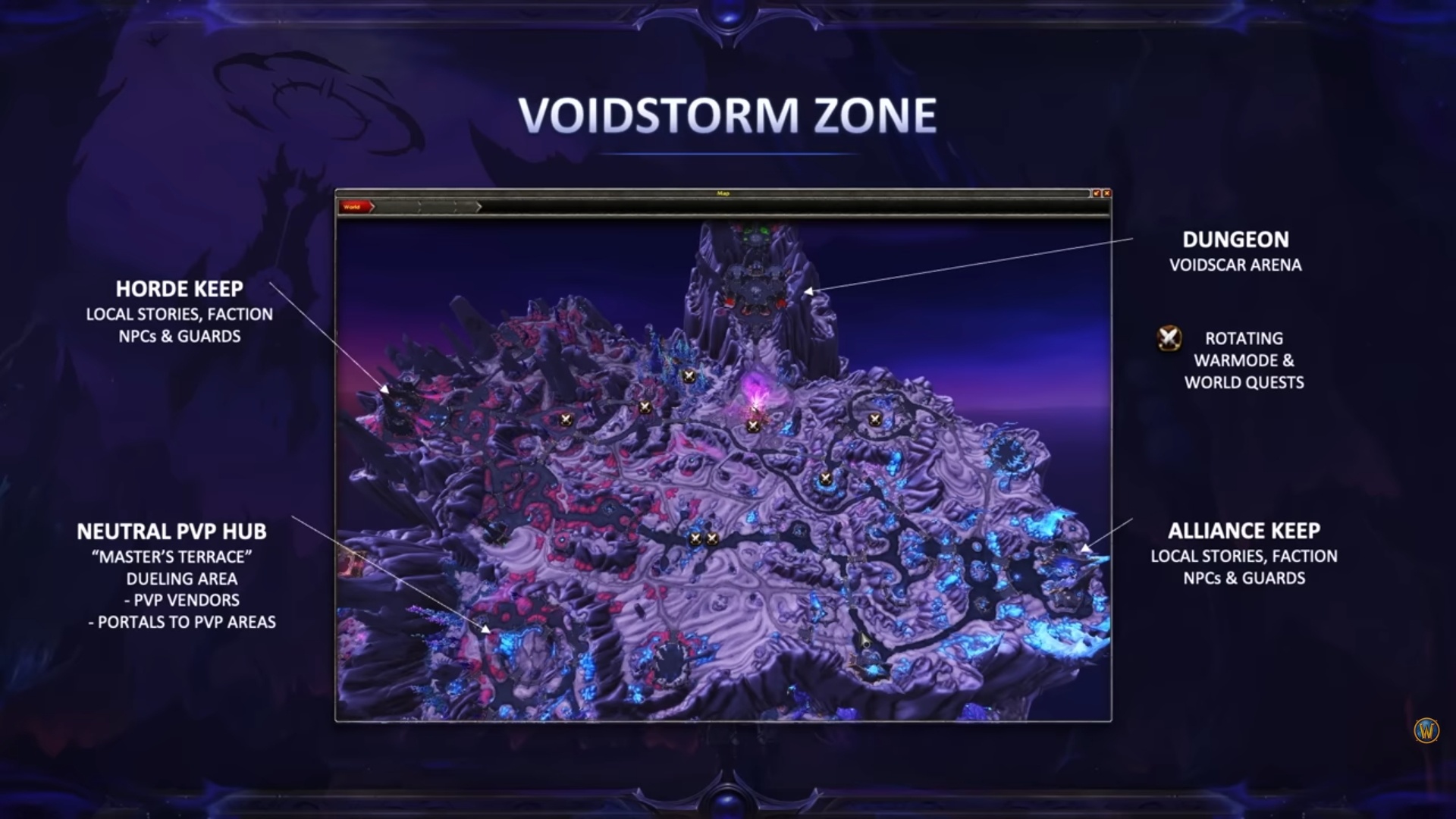
Midnight spices up World of Warcraft’s PvP with a mix of new content and modes. The headliner is Slayer’s Rise, a massive 40 vs. 40 battleground and world PvP area set in the volatile Voidstorm zone. In the open world, Slayer’s Rise is a contested region of Voidstorm where Horde and Alliance skirmish freely.
Completing PvP objectives here contributes to your faction’s war effort and can even trigger a special event that crowns victors of the zone for a time. At the same location, instanced matches of the Slayer’s Rise Battleground can be queued as an Epic BG. The battleground is inspired by Alterac Valley and Isle of Conquest – it’s an expansive warfront where teams push and pull along a lane called the Path of Predation, capturing strategic points along the way. Side objectives (mines, graveyards, summonable creatures) keep the battle dynamic. The ultimate goal is to demolish the enemy’s final stronghold and defeat their Domnaar commander, a formidable boss NPC leading the opposing army.
In addition to the new zone/BG, Training Grounds – the PvP Brawl where players face off against AI opponents – is becoming a permanent fixture. In Midnight, players can queue for Training Grounds mode at any time as a practice ground for battleground basics. To keep it interesting, it will rotate through multiple maps instead of just Arathi Basin. Currently the rotation includes Arathi Basin, Battle for Gilneas, and Silvershard Mines (and could expand to others). The idea is to provide a low-pressure environment for learning PvP or trying out new classes, without the unpredictability of real opponents. Wins in Training Grounds won’t count for high-end rewards, but they do grant some honor and are great for newcomers – Blizzard explicitly intends it as a training ground for future PvPers and those experimenting with new alts or specs.
Fashion-conscious heroes, rejoice: Midnight delivers a major transmogrification overhaul that makes it more flexible and user-friendly than ever. The transmog changes can be summarized in three big points – slot-based appearances, outfit loadouts, and on-the-fly swapping – all designed to let you express your style with less hassle but more freedom of action.
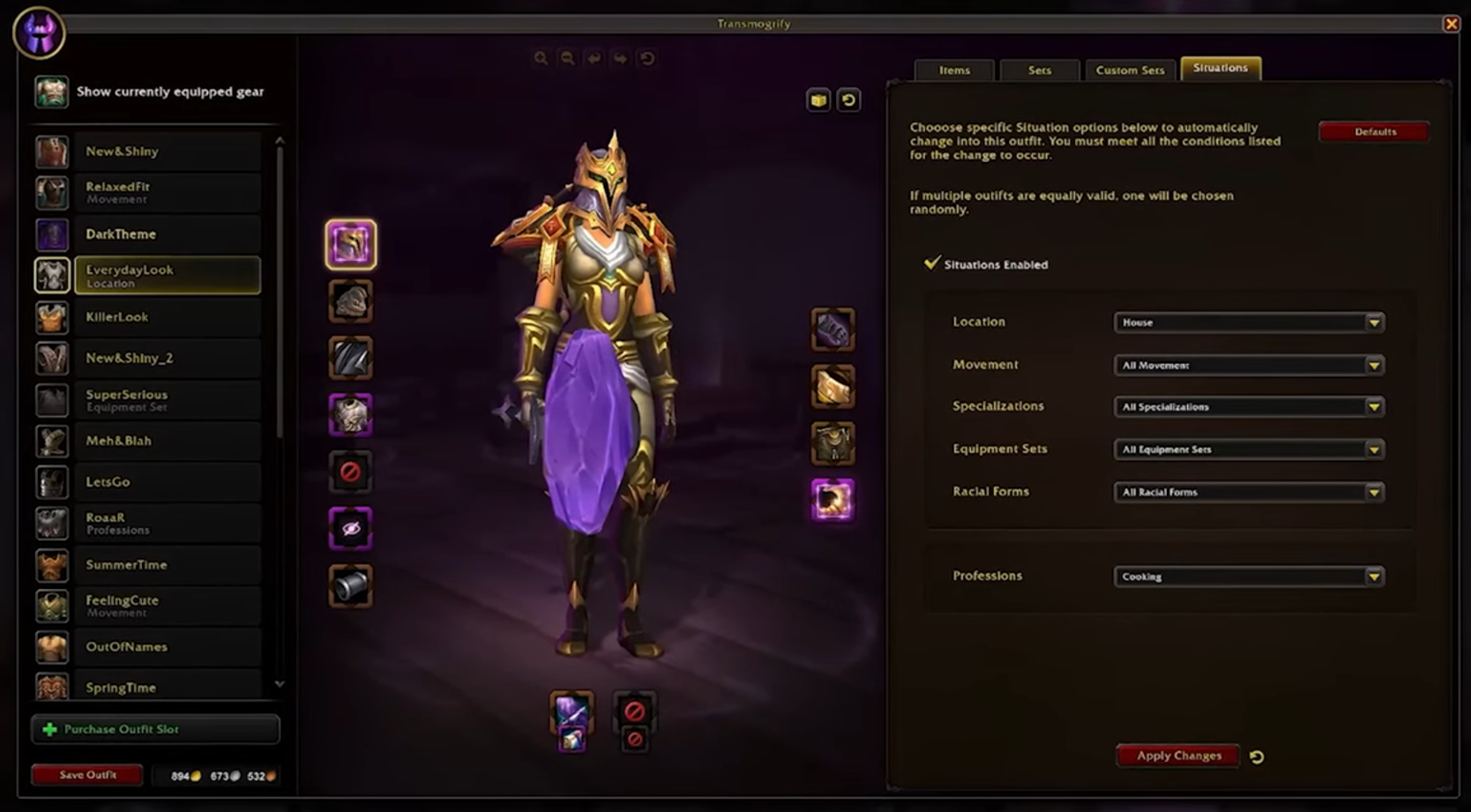
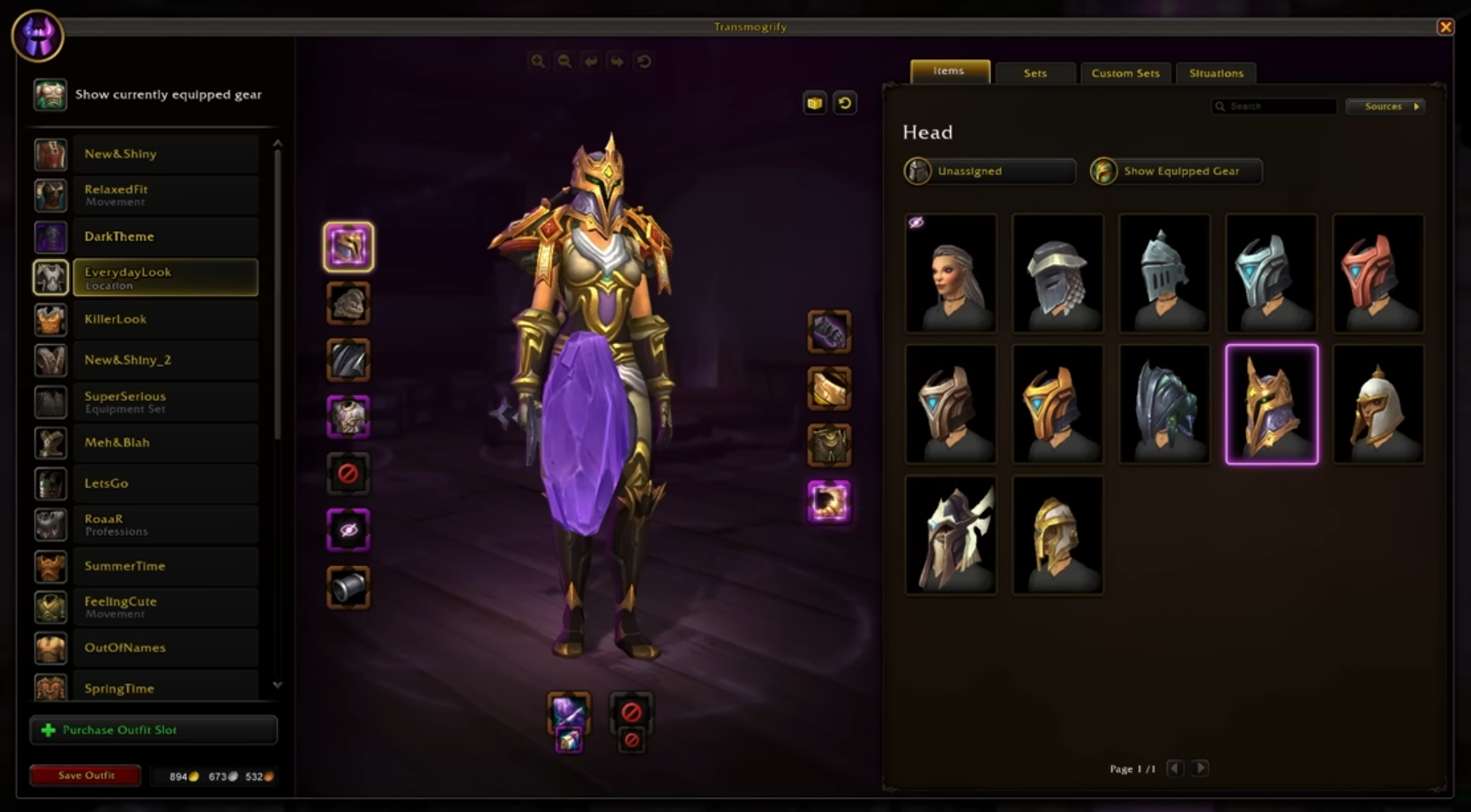
Transmog by Slot (Persistent Appearances): In the current system, every time you equip a new piece of gear, you have to visit a transmogrifier NPC to apply your desired appearance on that specific item. Midnight is changing this fundamentally. You will now apply appearances to gear slots instead of individual items. For example, you can set your “Head” slot to use the appearance of the Crown of Golden Worship. Once that’s done, any helmet you equip will automatically take on the Crown’s look (until you decide to change it). This means no more interrupting your adventure just because you got a gear upgrade – your style persists. You also won’t be paying gold for each new piece of gear you transmog; instead, you pay a one-time gold fee when you change the saved appearance for a slot. Simply put, if you maintain the same outfit, you can keep swapping gear freely and stay fabulous at all times without repeated visits or fees.
Multiple Outfits and Contextual Loadouts: The new transmog UI will allow you to save dozens of outfits (far beyond the current 20 set limit) and even assign them to hotkeys or your action bar. You’ll unlock outfit slots (beyond a few default ones) by paying a moderate gold cost for each new saved outfit slot – but after that, switching between your saved looks is free and instant. What’s more, Midnight introduces situational outfit swapping: you can configure an outfit to automatically activate in certain conditions. For example, you might have a “City Clothes” outfit that automatically equips when you’re in a rested area or your player housing, and a “Battle Armor” outfit that auto-applies when you go out questing or enter a dungeon. You could even tie outfits to spec switches or PvP versus PvE. The system is very robust – each outfit you save can have checkboxes for different contexts and if that context is active, the game will swap your transmog to that outfit automatically. Imagine wearing your casual civilian garb in Stormwind and then instantly donning your spiked warplate when you step outside the gates – the fantasy is real!
Transmog UI and Collection Updates: The transmog collection interface is getting a facelift to support these new features. Outfits will appear as icons you can drag to bars or right-click to activate. The wardrobe will also better indicate which appearances are saved to which slots/outfits. Additionally, a nice perk for collectors: when you collect a full class set appearance (e.g. all Mythic pieces of a Tier set), the system will automatically unlock the lower difficulty tints of that set for you as well (no more re-farming the same set on multiple difficulties!). This encourages completing appearances and rewards you for the hardest content by not requiring you to go do the easier versions for completeness. Also, some previously faction-locked transmogs (like PvP sets) are becoming account-wide if you have the appearance on one faction – part of a general trend to allow more customization regardless of faction choice.
Midnight introduces Prey, a new opt-in outdoor system for those who enjoy hunting elite monsters and testing their solo (or small-group) prowess. Lore-wise, this system is presented by Magister Astalor Bloodsworn in Silvermoon’s Murder Row, who commissions adventurers to track down dangerous creatures across the new zones.
Opting into Prey essentially flags you for special big-game hunts while out in the world – you become a stalker of powerful targets, but beware, your prey can also stalk you in return! At launch, Prey offers a roster of unique boss-level monsters roaming the four Midnight zones (and possibly beyond), each available in multiple difficulty tiers. Players can choose from three difficulty modes: Normal, Hard, and Nightmare, which escalate the challenge and rewards. On a Normal hunt, you might face a relatively straightforward target to learn the ropes. Hard hunts introduce additional “Torments” (modifiers) and confined final arenas that up the ante. Nightmare hunts are truly brutal endgame challenges – expect needing consumables and careful play.
The Prey system plays out like a blend of bounty hunting and Monster Hunter-esque showdowns. You track the target through zone clues or waypoints, engage it in an instanced encounter, and must defeat it while possibly dealing with periodic counter-attacks (some prey will try to ambush you mid-hunt). Succeeding in a hunt awards special marks that contribute to a new Prey progression track and to the weekly Great Vault – in fact, Prey is being added as a World Content row in the Great Vault, allowing dedicated solo adventurers to earn up to Heroic-raid level gear over time. The immediate loot from hunts ranges from gear upgrades (scaling up with higher difficulty) to an array of cosmetic collectibles. Mounts, titles, pets, and player housing décor items are all on the menu for trophy hunters. For example, a Nightmare-tier hunt might drop a void-touched beast mount or a unique title like “the Apex Predator”.
Importantly, Prey is entirely optional – if you prefer casual world questing, you won’t be forced into these hunts. But it adds a thrilling new layer of content for those seeking harder open-world challenges. It’s also a social experience if you want it to be: you can team up with friends to hunt your prey (without the coordination demands of a dungeon or raid). Magister Astalor Bloodsworn will even offer contracts for group hunts that yield extra rewards for each participant. Overall, Prey brings a fresh endgame loop to World of Warcraft’s world content – one that captures the dangerous allure of being both hunter and hunted on Azeroth’s wild frontier.
As with some previous expansions, Midnight implements a stat squish to reset and shrink the ever-growing numbers for health, damage, and item levels. Don’t panic – player levels are not being reduced (you’ll still go from 80 to the new 90 cap), but almost all other numbers in the game are scaled down. After multiple expansions of power creep, characters at the end of The War Within were walking around with item levels in the 700s and dealing damage in the millions. Midnight’s launch will compress these values to keep them in a more readable range going forward.
Concretely, max-level gear will now be around item level 200 (give or take) instead of 800+, and a freshly dinged 90 might be wearing ilvl ~150 gear. Your character’s health might drop from, say, 300.000 to 20.000, and abilities that were critting for 1,200,000 might now crit for 12,000. All content is being re-tuned accordingly, so the relative difficulty remains the same – only the scale of the numbers changes. Past expansions content will likewise be adjusted so that legacy raids are still soloable at 90, just with smaller numbers. This squish is intended to improve game performance and readability; because seeing “543.210” floating combat text for each hit was getting out of hand, so now values will be in more modest hundreds or thousands, making it easier to gauge impact at a glance!
Additionally, compressing item levels gives Blizzard more room for future power progression. We will likely go a few expansions before another squish is needed. One important reassurance: thanks to how stats scale, you won’t feel weaker at 90 than you did at 80 in practice – it’s all proportional. In fact, while leveling through older content, you may notice more consistent pacing because the item level gap between expansions has been narrowed. Overall, the stat squish in Midnight is another healthy “reset” for World of Warcraft’s numbers, ensuring that Azeroth’s power progression can continue smoothly into the new expansion.

Blizzard has put considerable effort into smoothing out the onboarding experience in World of Warcraft: Midnight, so whether you’re entirely new or returning after a long hiatus, the game will help get you up to speed with the story and systems. Here are the key changes aimed at new/returning players:
In short, Midnight aims to bridge the gap for newcomers and returning heroes. By updating Exile’s Reach and the early game to focus on big characters and narratives, by providing catch-ups like the Arathi tour and War Within recap, and by smoothing out leveling mechanics, Blizzard is ensuring that the barrier to entry for this expansion is the lowest it’s been in years. So if you or a friend are thinking of jumping in (or back in), Midnight will meet you with open arms, a clear path, and an epic story to dive right into.
With all these sweeping features, World of Warcraft: Midnight stands as one of the most ambitious expansions to date – revisiting beloved lands with a fresh twist, massive changes to class gameplay, removing combat addons almost entirely, introducing cool systems like Housing and Prey, and layering in quality-of-life improvements that let players old and new enjoy Azeroth like never before.
From the glittering spires of Silvermoon to the darkest depths of the Voidstorm, Midnight invites you to write a new chapter of your legend in Warcraft’s evolving saga. Prepare to defend the light, walk among living myths, and challenge the shadows… for when the clock strikes Midnight, a new adventure begins.