




WoW Midnight massively changes the usual raid tier format by distributing progression across three separate instances rather than a single linear raid. The new tier contains nine bosses with staggered unlock timings and multiple viable gearing routes, so efficient progression hinges on identifying where the largest difficulty breaks occur and which mechanics most consistently cause wipes.
This guide is a breakdown of the Midnight Season 1 Raid Tier. It prioritizes execution-critical mechanics, progression-relevant routing decisions, and recurring failure patterns. The target audience is organized raid teams progressing through Heroic and Mythic difficulty, and it assumes baseline familiarity with standard raid fundamentals. Another option is to buy a raid boost and skip the wipes.
Midnight is doing something WoW hasn’t really tried since Mists of Pandaria — launching with three separate raids instead of cramming the entire tier into one massive instance. That means bosses are spread across completely different locations, each with its own loot tables, mechanics, and unlock pacing.
Voidspire is the main six-boss progression raid. Dreamrift is a single-boss stop you can clear fast for tier tokens. March on Quel'Danas closes the story with two bosses, and it doesn’t even unlock until two weeks after the others. If that sounds messy, it is — but it also means you’re not stuck grinding one giant dungeon for months.
Here’s what actually matters: tier tokens are split across all three raids, the omnitoken you want is tied to a boss that doesn’t exist until March 31st, and the Glory achievement mount requires clearing everything. Understanding how these raids connect is the difference between efficient gearing and wasting lockouts.
| Week | Raids Unlocked | Available Difficulties |
|---|---|---|
| March 17 | Voidspire, Dreamrift | Normal / Heroic / Raid Finder |
| March 24 | Voidspire, Dreamrift | Mythic + Raid Finder Wing 2 + Story Mode |
| March 31 | March on Quel'Danas | Normal / Heroic / Mythic + Voidspire — Raid Finder Wing 3 |
| April 7 | March on Quel'Danas | Story Mode / Raid Finder |
| Raid | Boss Order | Boss Name |
|---|---|---|
| Voidspire | 1 | Imperator Averzian |
| Voidspire | 2 | Vorasius |
| Voidspire | 3 | Fallen-King Salhadaar |
| Voidspire | 4 | Vaelgor & Ezzorak |
| Voidspire | 5 | Lightblinded Vanguard |
| Voidspire | 6 | Crown of the Cosmos |
| Dreamrift | 7 | Chimaerus, the Undreamt God |
| March on Quel'Danas | 8 | Belo'ren, Child of Al'ar |
| March on Quel'Danas | 9 | Midnight Falls |
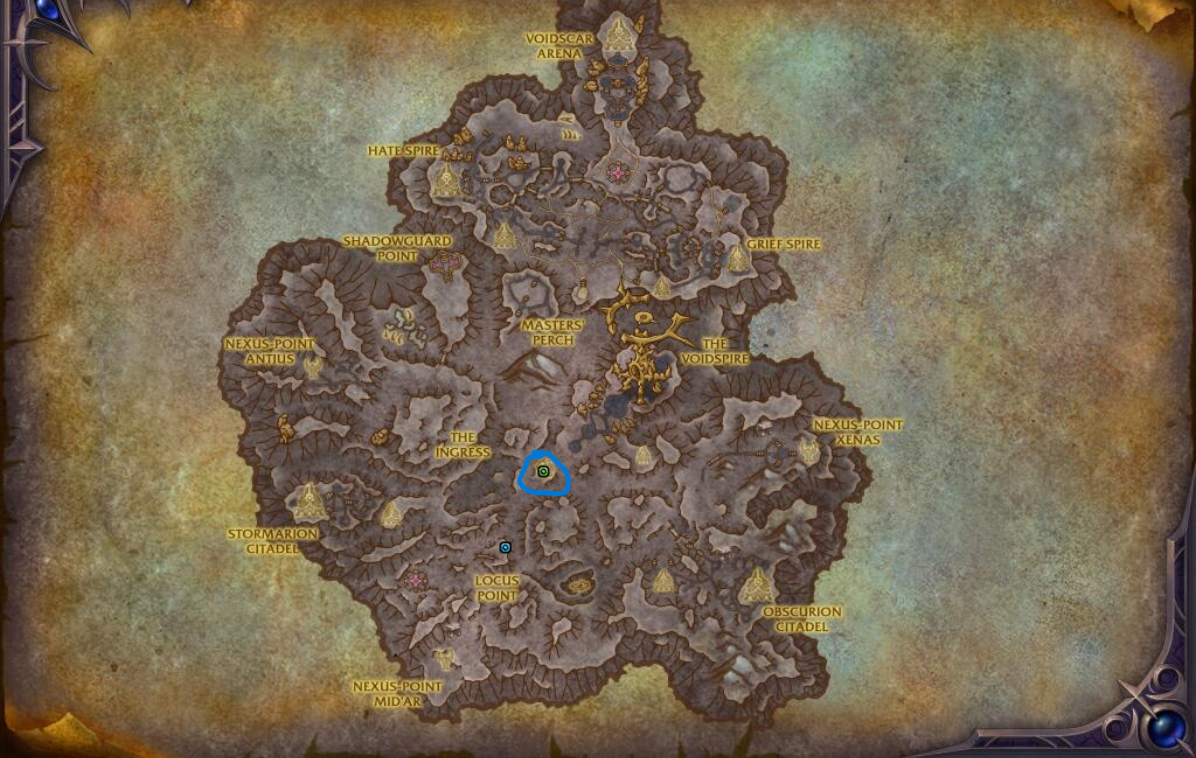
The Voidspire is located in south-central Voidstorm. It features six boss encounters, making it the longest Midnight raid in Season 1. Voidspire bosses drop tier tokens for helm, shoulders, gloves, and legs. Defeating all encounters awards the The Voidspire achievement.
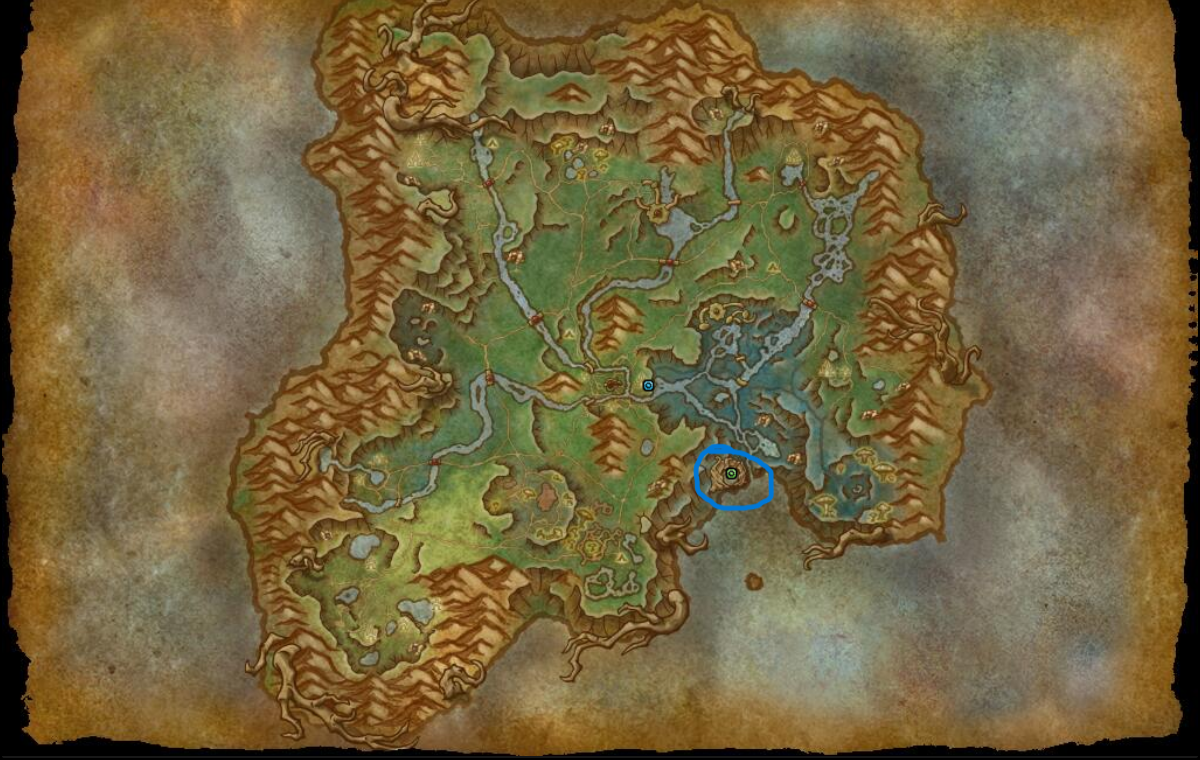
The Dreamrift is located in southeastern Harandar. It is a single-boss raid that drops chest tier tokens. Defeating Chimaerus, the Undreamt God awards the Chimaerus, the Undreamt God achievement. Killing Chimaerus on Mythic difficulty also grants the Dream-Eater title.
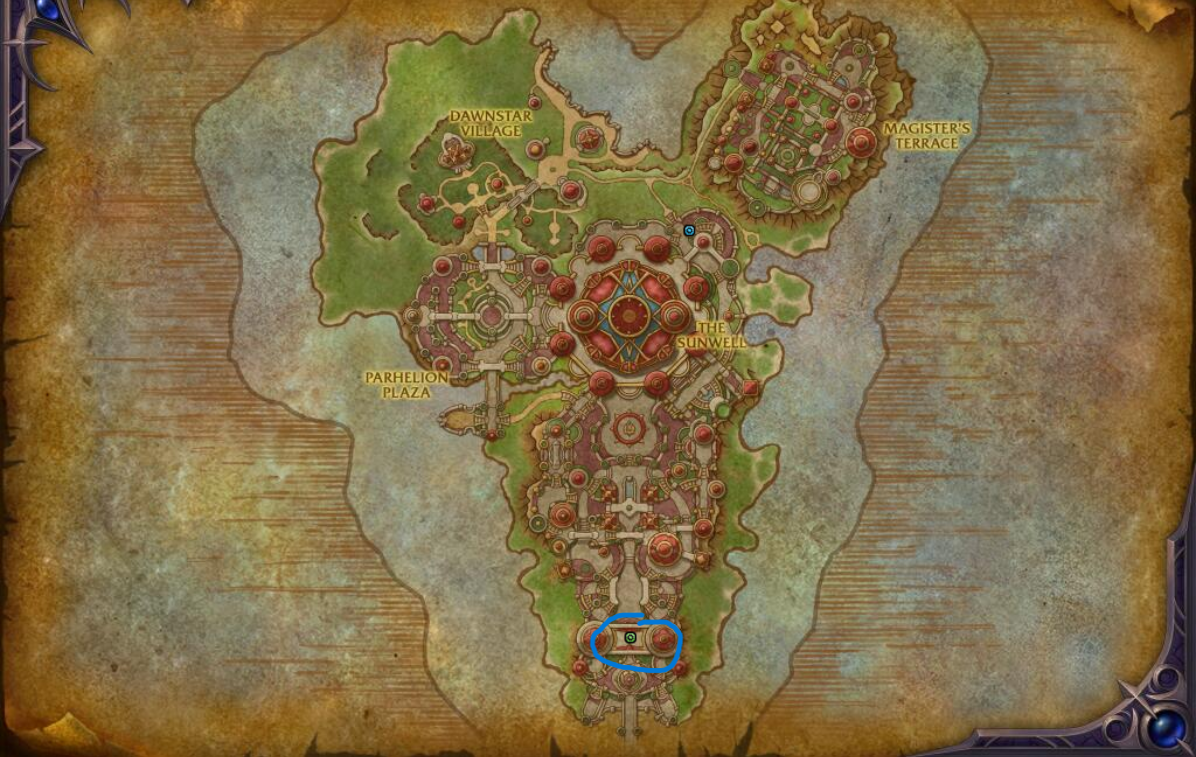
March on Quel'Danas is located directly north of Silvermoon City. This raid has two boss encounters and drops tier tokens that can be used for any slot. Completing the final boss encounter unlocks the March on Quel'Danas achievement. On Mythic difficulty, Ashes of Belo'ren drops from L'ura.
Early tuning in a Void-themed tier rarely plays like a slot machine of random one-shots. Expect steady, compounding pressure: constant chip damage that forces healers to stay ahead of the curve, not just react to spikes. The danger isn’t a single hit but it’s the moment two “small” mechanics overlap and your raid realizes it’s been bleeding for 40 seconds straight. That’s how wipes happen in the first few weeks.
Positioning should matter more than it did in a lot of Dragonflight and TWW raid pulls, especially inside Voidspire. Corruption-style visuals, overlapping zones, and “stand here / don’t stand there” rules tend to look readable on paper and feel chaotic in a real pull when spell effects stack, pets clog the floor, and someone drags a mechanic through the raid. Normal will let you brute-force some of it with gear. Heroic will punish sloppy spacing and late movement, even if nobody “made a huge mistake.”
Movement checks are likely to show up often because the Voidstorm vibe almost demands shifting terrain, reduced visibility, and mechanics that force you to relocate. The key skill on Normal/Heroic won’t be raw DPS — it’ll be moving without breaking your rotation and keeping casts alive while the floor tells you to leave. If your group has a habit of drifting, stacking wrong, or doing last-second panic dodges, this tier will feel heavier than it should.
Mythic in darker, Void-based tiers tends to add layers that make damage feel unavoidable on purpose: ticking raid damage, stacking debuffs that demand a clean rotation of defensives, and control zones that expand until you solve them correctly. Healing becomes a schedule, not a reaction. One late cooldown and the whole pull unravels.
Expect Mythic mechanics to punish overlaps that Normal and Heroic let you shrug off. A ground effect plus a stack mechanic plus a targeted debuff becomes a real assignment check: who moves first, who holds position, who baits, who clears. It’s the kind of tier where “we’ll just wing it” works for two pulls, then dies forever. Mythic loves patterns. Learn the pattern or keep paying repair bills.
The other likely Mythic lever is space. Smaller safe zones, more line-of-sight tricks, more of “you can’t see it until it kills you” moments. That forces discipline: clean markers, hard positioning rules, and a raid lead willing to call wipes early instead of letting a doomed pull drag on.
WoW Midnight is setting up a Season 1 raid opener that refuses to play in a straight line: three separate instances, nine bosses, and unlocks staggered across multiple resets. That cadence changes everything. One night you’re pushing progression. The next you’re farming a “side” raid because the loot plan says you just have to!
The split is also the point. Voidspire is the spine — six bosses, real progression pacing, the place guilds will live in early. Dreamrift is the weekly checkpoint: one boss, fast clear, a tight little gear roll that doesn’t demand an entire evening. Max (from Liquid) has basically framed the one-boss raid concept as “mid-raid difficulty", not a freebie — closer to a fourth-boss-style wall than a tourist stop. That’s a healthy sign for longevity, and a nasty surprise for groups treating it like a loot vending machine.
For top-end raiders, the schedule creates a weird kind of momentum. Week one is scouting, comp decisions, and early routing. Week two flips Mythic on and suddenly the tier turns sharp. Then the finale raid shows up later and forces a second ramp. The overall flow still plays like a “normal” race, but the tier is built to add bosses and pressure points as the weeks roll forward instead of dumping everything on day one.
The tuning window is where the stress lives. When content is gated like this, balance changes hit harder because timing matters more than raw numbers. There can be a "danger zone" between the first reset and the Mythic unlock — you either get the key buffs early, or you’re stuck riding a bad spec feel while the season accelerates past you.
And for everyone below the bleeding edge, the community is already reacting the way it always does when Blizzard makes the calendar the real encounter: spreadsheets, boss order checklists, “who needs which token” and planning that looks like NASA rocket launch preparation. There’s also a quieter split in player sentiment: some people like the breathing room — fewer back-to-back marathon nights, more time to learn fights clean, less burnout. Others hate the stop-start rhythm, especially when Story Mode and some LFR unlocks come in late.