




Abyss is the darkest and most crafting-rich mechanic in 0.5 Return of the Ancients, and early in the Runes of Aldur league it is already one of the strongest currency farms in the game. It debuted as the headline mechanic of 0.3 The Third Edict and its Rise of the Abyssals league, and 0.5 folded it into the reworked Atlas with its own passive sub-tree and questline. Underneath the farm sits a whole crafting system, the Well of Souls desecration bench, and a multi-phase pinnacle in the Vessel of Kulemak.
Most players touch Abyss for the loot and never learn what the pits actually do. That is a mistake, because the same maps that print omens also feed your crafting and gate the only desecration system in the game. This guide covers the full loop: how an Abyss works, how to unlock its Atlas points, the best tree setup, the Abyssal Depths, the Kulemak fight, desecration crafting, and where Abyss sits as a farm.
An Abyss is a moving encounter, not a static chest. You find a fissure, and as you kill the monsters it spawns, the crack crawls across the map and seals behind you. Close every fissure in the chain and the main pit opens. The whole thing rewards aggression: clear fast, keep the crack moving, and do not let the spawns pile up behind you.
Each fissure summons Abyssal creatures tied to what you killed nearby, then closes once they are dead. When the last fissure in the chain seals, the pit collapses and an Abyssal Trove rises in its place. The trove works like a magic or rare chest with a heavily boosted loot table, and it drops the bones that power desecration crafting, the system the rest of this guide runs on. Sometimes, instead of a plain trove, the pit opens into an Abyssal Depths mini-dungeon. More on that below.
What spawns from a fissure depends on what fed it, and the rare spawns are where the value lives. Monsters carrying an Abyssal Modifier show a dark green tint under their name, and they drop far better than their tier suggests.
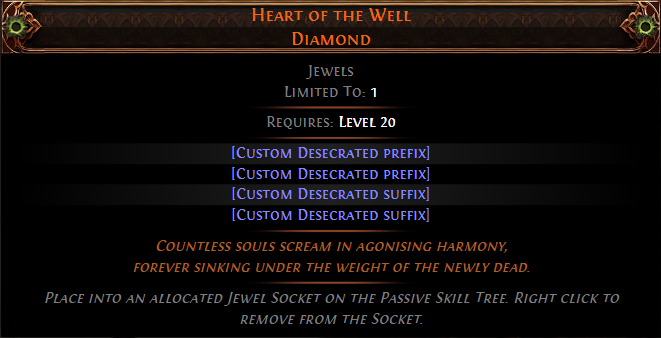
The Heart of the Well is the headline drop here, a unique diamond jewel that rolls four Desecrated Modifiers at random. Like all desecrated mods, you reveal them at the Well of Souls, so the jewel is a gamble that can hit absurd value. Stack Rogue Exile spawns and you turn every map into a jewel lottery.
The 0.5 Atlas overhaul gave every mechanic its own sub-tree and questline, and Abyss is no exception. You earn Abyss Atlas Passive Points by clearing Abyss content in maps flagged with a crack, and a short questline walks you from your first fissure down to the pinnacle in four steps:
Allocate every point you earn into the Abyss sub-tree, and push the questline early. The sooner you reach the Abyssal Depths, the sooner desecration crafting and the omen farm come online, and the sub-tree points compound on every map you run after. Lock your questline points in before you sink rare tablets into Abyss maps, so the juice lands on a mechanic that is already scaling.
The Abyss sub-tree is small, but it decides whether you are running a casual side mechanic or a dedicated omen farm. Every node pulls one of three levers: more Abyssal monsters, more Abyssal modifiers stacked on them, or the specific Amanamu spawns that drop high-tier omens. You want all of it eventually, so the only real question is the order you grab it in.
That core wants backup from the main Atlas. The omen route lives and dies on Amanamu spawns, so pair the sub-tree with every tablet-effect node you can path to, since tablets are how you load Abyss onto a map in the first place. If you would rather lean on raw rare density than chase omens, layer in Adaptive Biology, No Simple Battles, and Mutating Monsters: they pile extra modifiers onto every rare, which feeds straight back into Abyssal drops. Grab item rarity wherever the board offers it.
One pathing rule. Lightless Legions first, always.
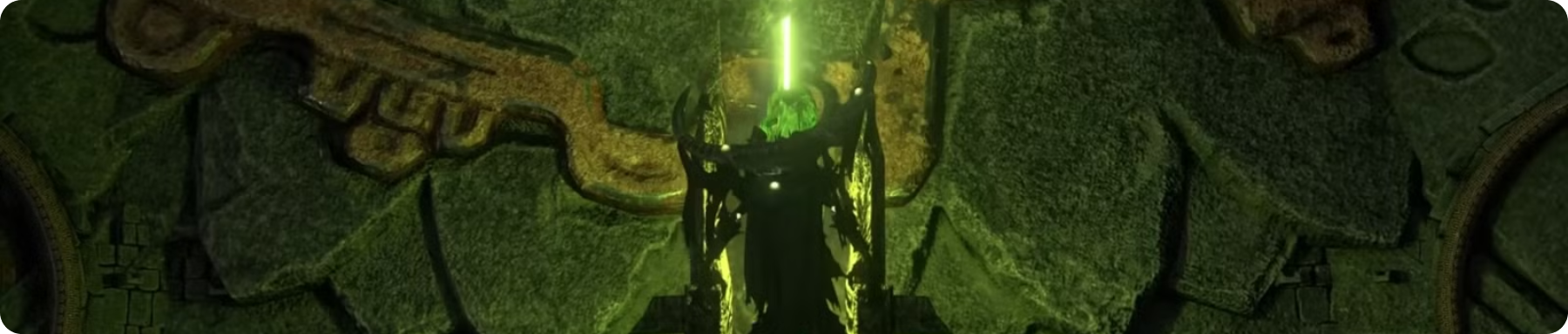
The Abyss pinnacle is the Vessel of Kulemak, and reaching it takes a key — not a long grind. Special versions of the Abyssal Depths are guarded by Abyssal Commander bosses, and two of them at level 79 and up drop the key on a kill.
Kulemak's Invitation drops with a 100% chance from either Tasgul, Swallower of Light or Vandroth, Blackblooded Enslaver, though neither boss is guaranteed to appear in a given map. You can stop rolling the dice by desecrating your Waystones for the Abysses lead to an Abyssal Boss modifier, which forces one of the two to show up. If you would rather skip the hunt entirely, the invitation trades for roughly 15 to 20 Exalted Orbs early in the league. One warning: the invitation is a consumable, and it vanishes the moment you commit to the fight, so do not bring it in undergeared.
Take the invitation to the Well of Souls and use it to drop into the Black Cathedral. Kulemak deals fire, cold, and physical damage and resists physical, so a balanced elemental defence with a physical-heavy attack handles him cleanly. The fight is a revival gauntlet: you drop the Vessel, it claws its way back up, and each return piles on a fresh buff — faster attacks, an extra wave of minions, or another damage type stacked on the last.
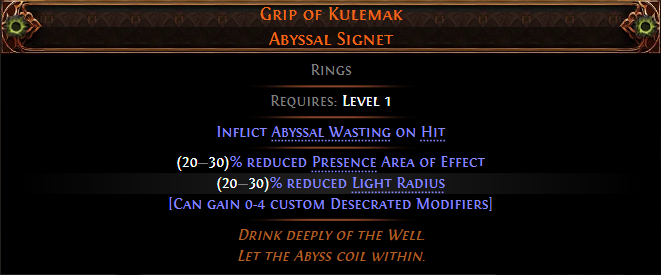
Those revivals are also the crafting loop. Three petrified Liches ring the arena, and after each phase you steal one's power to imbue a Grip of Kulemak ring with a Desecrated Modifier from that faction's pool: Amanamu for defence, Ulaman for offence, Kurgal for ailments. Pick the figure whose mod you actually want, because the roll locks onto the ring.
Stay mobile the whole time. The floor fills with spike fields, cold bursts, and lingering hazard ground that drains your flask charges fast, so treat it as lava and never facetank a minion wave. After the final revival you make the call: take the Finger and leave with your built ring, or return the Finger to crack the arena open and fight the Vessel at full strength.
That full version is the gate for one specific build path. Only a Lich-line character who clears it unlocks the Abyssal Lich sub-ascendancy, which is exactly why "abyssal lich" is one of the most-searched Abyss terms right now. For everyone else, the draw is the ring and the unique drops. Fail the fight and the invitation is gone, so treat your first few attempts as a gear check, not a victory lap.
For most players the pinnacle is worth running, just not on day one. The Grip of Kulemak you build across the three faction kills is a genuine chase ring, and the Commanders drop the rest of the Abyss unique pool on the way in. Treat it as a mid-league goal: farm the mechanic first, spend a few cheap invitations learning the fight, then commit once your build clears tier 15 maps comfortably.
Sealing a pit usually leaves a trove, but the richest outcomes send you somewhere deeper. Two special areas hold the best Abyss loot in the game, and both run on the same three factions you meet again at the crafting bench and the pinnacle.
When a sealed pit opens into an Abyssal Depths instead of a plain trove, you have found the real meat of the mechanic. It is a short linear dungeon, an underground Abyssal city packed with monsters, where every rare carries an Abyssal Modifier and the rare at the very end wears the Lichborn tag. Clear to the bottom and you hit the payoff room: several Abyssal Troves plus one Large Abyssal Trove, guarded by that Lichborn rare.
The Depths is also the only place a few chase items drop. Abyssal Eye socketables like Ulaman's Gaze, Lineage Support Gems like Kurgal's Leash, and the Undying Hate timeless jewel come from here and almost nowhere else.
In level 79-plus maps the layout shifts. A pit can open into a Lightless Void or a Dark Domain instead: the same dungeon, but with an extra room holding an Abyssal Commander boss at the end. That boss is where your Kulemak's Invitation drops, so these are the maps you actually want once you are hunting the pinnacle.
Everything Abyss drops hangs off three Liches, and they double as the three pools of Desecrated Modifier. Picking a faction is how you tell the Well of Souls what to roll, so learn what each one is for before you spend a single bone.
You meet these three a third time inside the pinnacle, where each rolls a modifier onto your reward ring. Learn them now and that fight reads itself.
Desecration is the crafting system you only get from Abyss, and it runs on bones. You cast desecrated gear into the Well of Souls, then reveal hidden Desecrated Modifiers by choosing one of three offered each time. The bones decide what you can target.
Each tier also comes in a flavor per gear type: a Jawbone desecrates weapons and quivers, a Rib handles armour, a Collarbone covers jewellery and belts, and a Cranium targets jewels. Match the bone to the piece before you spend it.
Outside the three bone tiers, one desecration currency deserves a callout. Preserved Vertebrae lets you slap Desecrated Modifiers onto Waystones, and those waystone mods are exclusive to this method. That is a quiet way to juice your own maps that most players ignore.
The omens are where desecration goes from gambling to crafting. They steer the Well of Souls toward what you actually want.
In practice a craft runs as a loop. You drop a Preserved Bone on the item to open three desecrated options, and if all three are junk, an Omen of Abyssal Echoes rerolls the trio. If you land the mod you want but the base already carries an unwanted desecrated mod, an Omen of Light on your next Orb of Annulment clears only that desecrated layer so you can add again. Chasing a faction-specific roll like an Amanamu suffix, an Omen of the Liege biases the pool toward it. Desecrate, reroll, scrub, and repeat until the base lands where you want it.
There is no in-game modifier browser yet, so keep poe2db open while you craft and read the pool before you spend bones.
Abyss earns its currency two ways, and which one you run comes down to gear. The easy route is pure throughput. Seal pits for the troves, stack Rogue Exile spawns so every Lichborn has a shot at a Heart of the Well, and let the bones and omens pile up. It runs on a fresh character and never asks much.
The high-end route is Amanamu's Void omen farming, and it pays the real money. With Lightless Legions allocated, Amanamu-loyal rares spawn a darkness cloud around themselves. Kill one inside the cloud and you get the floor reward, Omen of the Liege. Lure it out, kill it in the open, and it can drop Omen of Light and Omen of Abyssal Echoes instead — the omens that sell.
Lure, then kill in the light. That single habit is the whole skill ceiling of the farm.
This needs a build that can tank six-mod, three-tablet tier 15 maps, so it is a graduation farm rather than a day-one one. Abyss also slots cleanly into a wider currency rotation alongside Expedition, Breach, and belt crafting, and the full Atlas, tablet, and ROI breakdown lives in our dedicated farming guide:
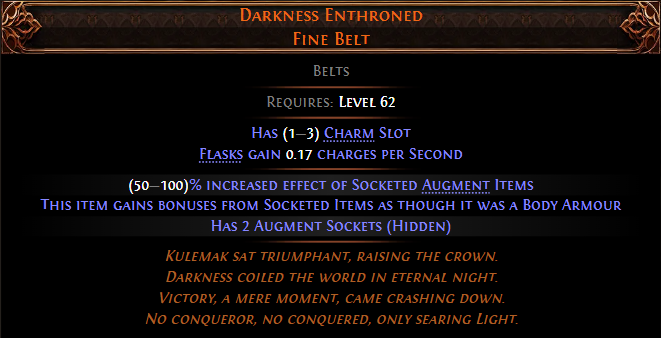
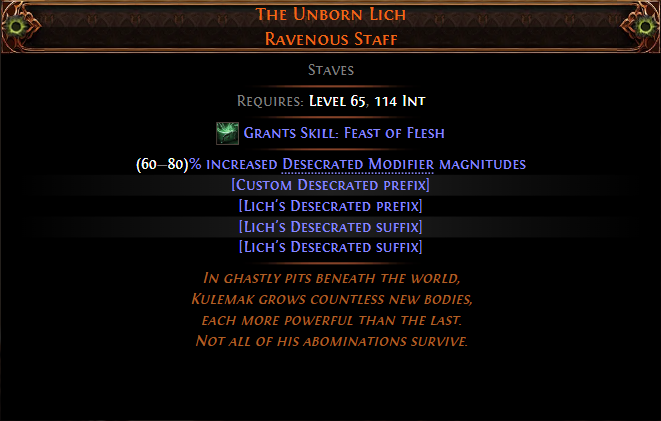
PoE 2 0.5 Best Currency Farming StrategyAbyss has its own pool of uniques, most of them built around desecration. A few are build-defining, and the rest are reliable currency when they drop.

Yes, it is one of the strongest currency farms in the league. The easy trove-and-Lichborn route works on a fresh character, and the Amanamu's Void omen route is among the best divine-per-hour farms once your build can tank juiced tier 15 maps.
Amanamu for raw currency, since Lightless Legions plus the Amanamu's Void cloud is the omen farm that pays. Pick Ulaman or Kurgal only when you are chasing one of their faction-specific Desecrated Modifiers for a craft, since each faction gates its own pool at the Well of Souls.
It drops with a 100% chance from Tasgul, Swallower of Light or Vandroth, Blackblooded Enslaver at level 79 and up, though those bosses are not guaranteed to spawn. You can also buy it for roughly 15 to 20 Exalted Orbs. It is consumed on use, so go in geared.
Only a Lich-line character that completes the full Vessel of Kulemak fight unlocks the Abyssal Lich sub-ascendancy. That means returning the Finger and beating the boss at full strength, not taking the early reward.
Bones power desecration crafting at the Well of Souls. Gnawed work on low-level gear, Preserved on anything, and Ancient on targeted high-end crafts. Preserved Vertebrae even lets you desecrate Waystones for exclusive map mods.