




This MoP Classic DPS tier list is a practical PvE guide for players choosing a main, alt, or safe damage specialization for Phase 4: Escalation. It is built around real group play, not ideal target-dummy conditions, so the ranking focuses on specs that stay useful in short fights, awkward pulls, Heroic Scenarios, raids, and fast endgame farming. The strongest specs are not only the ones with high theoretical output. The best picks here are the ones that deliver damage quickly, keep good uptime, and still contribute when a pull becomes messy or the group needs help outside raw throughput.
That is why this list values burst windows, practical utility, and clean damage conversion very highly, while specs that need more setup, more support, or a more favorable encounter naturally fall lower. Lower tiers are still playable, but they usually come with more noticeable limits and less room for mistakes when current PvE becomes fast and unforgiving.
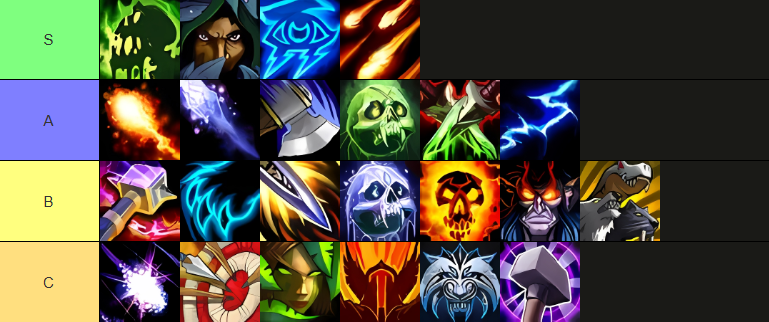
This ranking is meant to work with the tier image above, so the image already gives the fast snapshot, while the text below explains where each specialization stands and what gives it value in PvE. In Phase 4: Escalation, the strongest DPS specs are usually the ones that can kill priority targets on time, keep pressure during movement, and still offer something useful when the fight stops being clean. That is why this guide does not judge specs only by long stationary uptime. It also looks at how well specs function in real groups, how much value they keep when pacing gets uneven, and how punishing they become when a pull does not go exactly as planned.
If your goal is pure efficiency, the higher tiers are the safest place to start. If your goal is class loyalty, comfort, or learning a spec that still works well in current content, the lower tiers can still be worth playing as long as you understand what they do well and where they need more help.

S Tier contains the strongest all-around PvE picks for Phase 4: Escalation. These specs convert short damage windows into real kills, stay effective in a wide range of group situations, and bring a toolkit that remains valuable even when the pull becomes awkward.
Affliction Warlock is one of the most complete ranged DPS specs in current PvE. It combines excellent multi-target pressure, practical survivability, and steady damage that does not disappear the moment a pull stops being perfect.
Subtlety Rogue is the strongest melee DPS pick in this ranking because few specs punish short damage windows as well. It turns setup into immediate pressure and removes dangerous targets faster than most other melee specializations.
Arcane Mage earns S Tier because its burst profile matches the pace of Phase 4: Escalation extremely well. When your group wants immediate ranged pressure, Arcane is one of the strongest answers available.
Destruction Warlock rounds out S Tier with an efficient mix of burst, cleave, stability, and group value. It is one of the safest ranged picks because it stays useful in nearly every common PvE situation.

A Tier specs are excellent PvE choices for Phase 4: Escalation. They can perform at a very high level, but they usually depend a little more on the right fight, cleaner execution, or more favorable pacing than the S Tier core.
Fire Mage is powerful when it can turn crit-driven pressure and spread damage into fast value. It remains a dangerous caster in current PvE, but it does not define the field as cleanly as Arcane or the top Warlock specs.
Frost Mage is one of the safest caster recommendations in the current meta. It trades some peak damage for control, consistency, and a forgiving play pattern that stays useful when fights become messy.
Arms Warrior remains one of the best melee picks outside S Tier. It brings strong front-loaded damage, good boss pressure, and valuable group support without needing a highly specialized setup.
Unholy Death Knight stays threatening because it keeps pressure rolling even when pull structure becomes uneven. It combines sustained damage, useful control, and practical melee durability better than many alternatives.
Assassination Rogue is a stable melee option for players who want Rogue utility without the same burst-dominant play pattern as Subtlety. It is efficient, practical, and easier to maintain across longer PvE sessions.
Elemental Shaman is one of the safest A Tier recommendations because it brings strong group utility and solid practical damage in the same package. Its value is especially clear in fast-paced group content.

B Tier specs are fully playable in Phase 4: Escalation, but they usually bring narrower strengths or clearer damage limits than the specs above them. They can still clear comfortably, yet they more often depend on role fit, encounter shape, or good execution to keep up.
Enhancement Shaman is viable and functional, but current PvE does not reward it as heavily as the stronger burst-focused melee specs. It still brings practical hybrid value and can feel good in the right pull structure.
Feral Druid remains playable and rewarding, but it asks more from the player and more from the encounter than the best melee specs in the same phase window. It feels better when fights give enough time for sustained bleed pressure to matter.
Combat Rogue works best when the encounter gives it a clear cleave job. Outside that niche, the other Rogue specs usually offer better overall value.
Frost Death Knight is stable and fully playable, but it does not separate itself enough from the pack to climb higher in the current meta.
Shadow Priest stays useful and comfortable, but it currently competes against ranged specs with cleaner burst and stronger short-fight output. It still has good control over its own survival and steady pressure in longer situations.
Demonology Warlock is not weak, but it is harder to justify when Affliction and Destruction offer stronger overall efficiency in the same phase. It still has useful damage tools and classic Warlock durability.
Beast Mastery Hunter is comfortable to play and keeps good practical uptime, but the ranged field in Phase 4: Escalation is stacked with stronger options.

C Tier does not mean unplayable. It means these specs usually need more uptime, more support, or a more favorable encounter to feel as rewarding as the higher-tier alternatives.
Balance Druid stays flexible and useful, but the current DPS race is harsher than it was earlier. That makes it harder for Balance to stand out in direct optimization.
Marksmanship Hunter can clear current content, but it is difficult to justify when other ranged specs bring more damage or more flexible value.
Survival Hunter is one of the clearest examples of how much the ranking environment changed after launch. It still works, but it no longer holds the same place near the top.
Fury Warrior is not dead, but if you are optimizing a Warrior DPS slot in Phase 4: Escalation, Arms is the cleaner and stronger answer.
Windwalker Monk remains fun and useful, but current DPS rankings do not reward it highly. It takes more work and more favorable pulls to stand out than it does for the stronger specs above it.
Retribution Paladin stays useful because Paladins always bring something to a group, but pure DPS optimization places it near the bottom of the current dedicated DPS list.

If you are newer to MoP Classic PvE, the best DPS pick is usually the one with a stable rotation, clear cooldown timing, and enough utility to stay valuable even while your execution is still improving. A beginner-friendly spec should feel understandable, useful, and forgiving in real content, not only on paper.
Beginner picks do not need to be the absolute strongest specs. They need to be the ones that let you learn mechanics, keep uptime, and still feel useful while you improve. In practice, that usually matters more than chasing a harder spec too early.
This FAQ covers the most common questions players ask when choosing a DPS spec for Phase 4: Escalation. The main thing to remember is that tier placement shows current PvE efficiency, while comfort, execution, and how punishing a spec feels after mistakes also matter a lot in real play.
The safest top-end recommendations are the specs in S Tier, especially when your goal is pure efficiency. Warlock, Mage, and Rogue specs dominate the top because they combine fast damage with strong real-group value.
Yes. Lower-tier specs are still viable for clears. They simply need better execution, more support, or a more favorable fight to show the same visible value as a higher-tier alternative.
The current PvE environment rewards a different package of strengths. Shorter fights, faster pulls, and more small-group value changed what matters most. Specs that burst hard, stay alive, and stay useful with less support gained a lot of value.
Gear matters a lot, but class and spec identity still matter. Some specs convert the same general endgame environment into more real value than others, especially when short damage windows are important.
Not always. If you play a lower-tier spec very well, you can still be useful in organized PvE. Reroll only if your goal is strict optimization and you want the safest meta choice available.
Yes. Tier lists are snapshots, not permanent truth. If pacing, gear priorities, or encounter structure change, the rankings can change with them. Use this guide for Phase 4: Escalation, then re-evaluate when the next content environment shifts.
The best way to use this DPS tier list is to combine it with your own strengths as a player. A meta spec played poorly will lose value quickly, while a lower-tier spec played cleanly can still perform well in real group content.
For Phase 4: Escalation, prioritize specs that feel reliable, convert short windows into real damage, and give your group a reason to want you. If your goal is pure efficiency, start with the S Tier core. If your goal is comfort and long-term class loyalty, treat the lower tiers as expectation-setting, not as a ban list.